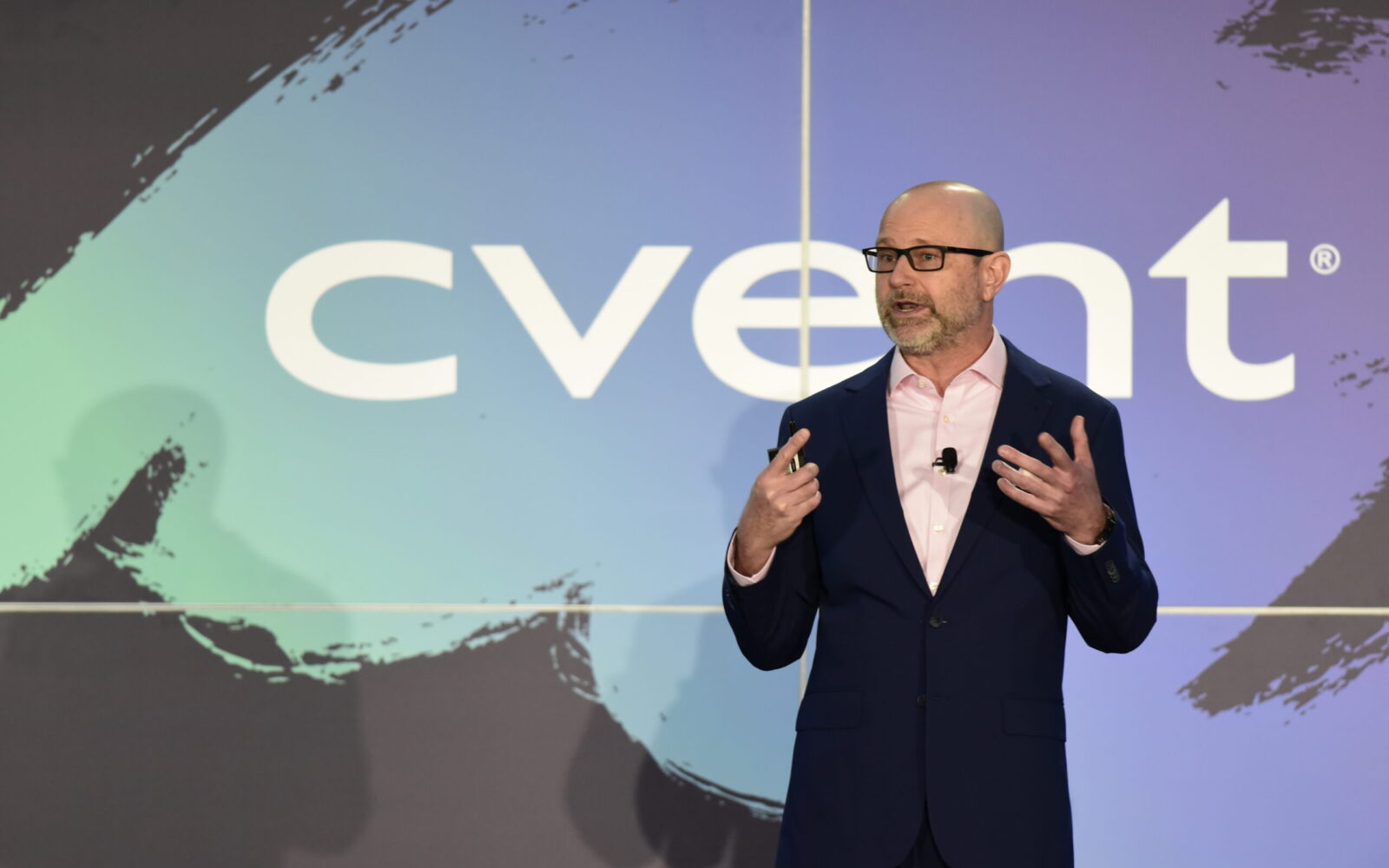
Theo Reilly talks to Stephen Cutchins, senior marketing manager, accessibility at Cvent, and focuses on the likely impact for event business of the European Accessibility Act.
The European Accessibility Act is clearly of importance to the European meetings industry. Could you explain the main points of it?
What it means is that electronic content (like websites, mobile apps, kiosks, ticketing systems) has to be accessible to people with disabilities. It’s broken down into two dates. The first is 28 June 2025, which applies to new products and content. So, if you launch a new product on 29 June 2025, that product has to be accessible.
If you add content to an existing site, that new content has to be accessible. The second date is 28 June 2030. That’s the date for anything that’s not new. If you have an existing website or product, it has to be made accessible by June 2030.
How is this going to be monitored? Do you trust that companies that don’t adhere to this will be adequately policed by public bodies?
I do hope so. I’m based in the United States and here we have the Americans with Disabilities Act. But to make big changes, we’ve had to go through the legal system.
The numbers are pretty staggering;. 27% of the EU population has disability. We’re talking over 100 million people. So, I really hope that public bodies get on board with this and we don’t end up having to do what often happens in the US, where it plays its way through the courts. That’s not the best way to go.
Do you think that the penalties are fair? Some of them are pretty severe.
The largest I’ve seen is up to €1,000,000. For these situations we have a VPAT. It stands for Voluntary Product Accessibility Template. If a company willingly falsifies a VPAT and sells a non-accessible product in an EU market, it’s up to 18 months in jail.
I’ve seen that happen in Ireland – a jail term of up to 18 months. If you willingly show that you don’t care about accessibility, that’s discrimination. We’re starting to realise that; it’s essentially an anti-discrimination law.
What about those companies that don’t know about this act coming into place? Companies that might fail to comply out of ignorance rather than genuine discrimination?
I’m not based in the European Union, but I hope they’re in periodicals or conferences. I hope they’re letting businesses know that they have to get on board. The software companies should be letting the businesses that buy their products know that this is coming. It could, in theory, shut a business down if they do everything online, and they’re not on board by next year.
To what extent do you think that AI virtual assistants are the way forward for accessibility?
Yes and no. Let’s say I’m fully blind. I might use a device called a screen reader to read the content out to me. That website has to be natively accessible to be able to talk to the screen reader. A lot of the work we do here at Cvent is to make sure our products talk to what we call ‘assistive technology devices’.
AI is valuable for in-person events. Seeing-eye dogs or service animals can be trained to get a drink. Imagine an AI-controlled robot that can get a drink, open it up, and lift it to the height the person needs. I think that could be a few years away, but it would be amazing to see a bunch of robots running around taking care of people. Right now, we have to use personal care assistants.
How does Cvent see its role in this process? What are you and your colleagues saying when you speak to event organisers?
One thing I like is that we don’t just do software; we also do big conferences. We learn by our own successes and mistakes. We try to let people know because we want planners to have a good experience, and because it reflects well on them.
We just launched the Big Book of Event Accessibility a few months ago at www.cvent.com/bigbook. It shows you how to create an accessible event. The ROI of this is clear – if you’re more inclusive, your business makes more money. So why would planners or businesses not want to do this?
We’re talking about over 100 million people in the European Union, so it just makes sense. I want to see those delegates with disabilities use our technology, to attend our events. I want to see a full representation of society.
As an American, do you think that the European Union is ahead of the curve, and what else would you add on the issue in general?
Europe has taken the lead a little bit. In the US we have the ADA – the Americans with Disabilities Act. That was great, but it existed before the internet, so it was really about physical accessibility. You had to make your bank accessible, federal buildings accessible, places where you went to buy clothes accessible.
But where do we buy clothes now? We buy them online. So the ADA is now a little bit behind. We don’t have one yet for websites in general. The Department of Justice hasn’t updated the laws to reflect a hard stop. The EUdid, which is amazing. It’s an anti-discrimination law. So, the EU has taken the lead on digital accessibility.
For most events, people with disabilities don’t seem to come as much. It’s one of two things: either people with disabilities don’t want to come to your conference, or we’re not enabling them to come. Maybe we’re not asking the right questions during registration, like: “Do you require a sign language interpreter?”, “Will you be bringing a service animal?”, “Will you be accompanied by a personal care assistant?”
If we don’t ask, they’ll think: “Well, I’m going to get there, and they’re not going to have a chair for the assistant to sit next to me. They’re not going to accommodate my physical needs.” So, they’re just not going to come. We tend not to think about these things. Maybe if we do, people with disabilities will start coming to our conferences.