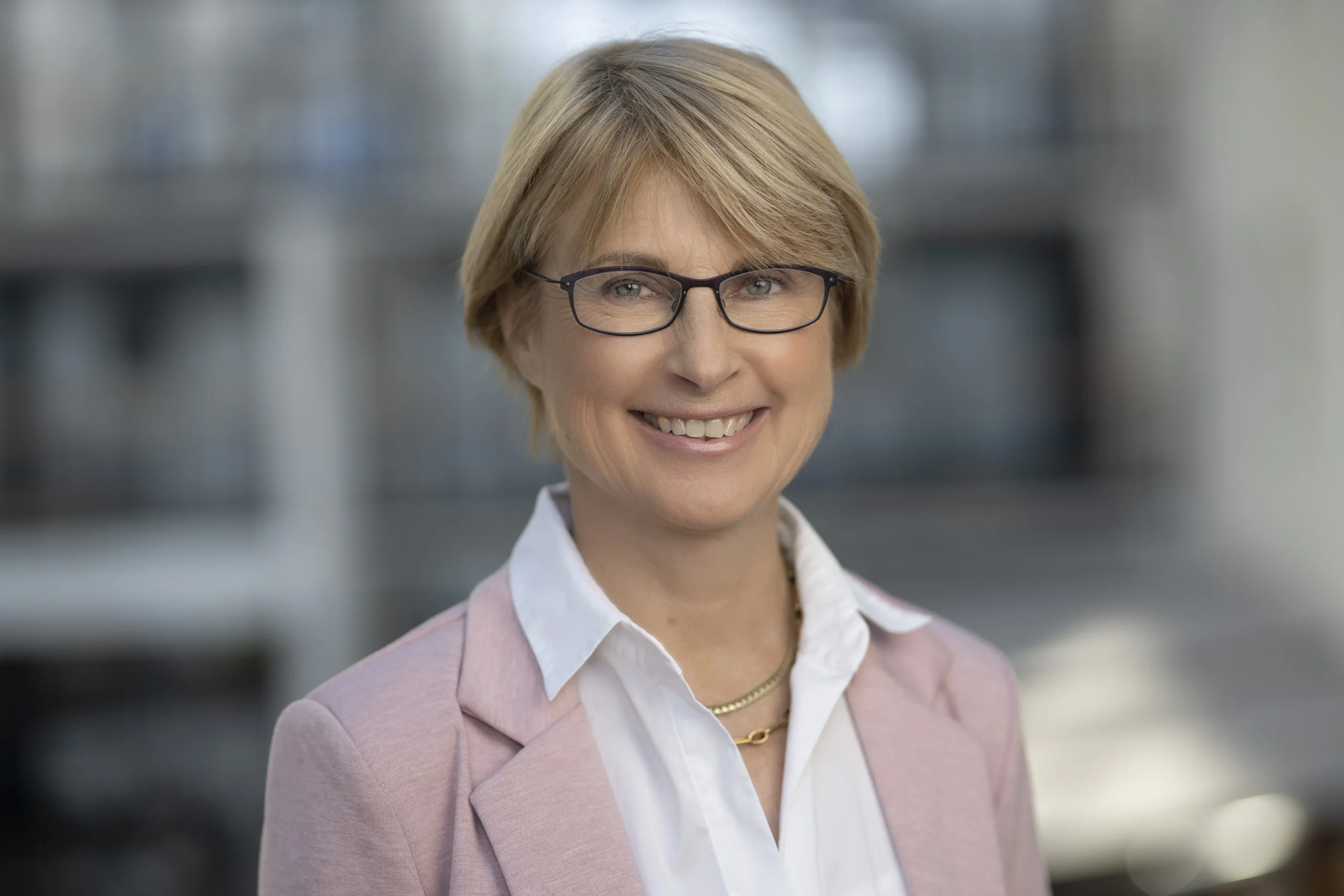
As AI dominates the industry’s debate, Paul Colston and Paul Cook investigate a case of ‘mistaken’ identity in the conference hall. In September 2023, stateof.ai claimed that there were over 100,000 developers working on generative audio tools for AI alone, while Gartner believes that by 2025 30% of outbound messages from large organisations will be synthetically generated, up from less than 2% in 2022. And, by 2025, according to Gartner again, generative AI will account for 10% of all data produced. Generative AI will also be the source of discovering more than 30% of new drugs, they say. And, for consumers of film, Gartner reckons that, by 2030, a major blockbuster film will be released with 90% of the film generated by AI. AI has been elevated already as the key talking point and theme at our own industry’s conferences and forums, with audiences keen to find out how it can be harnessed and used to save time and money and improve products and experiences. There is some anxiety of course, but mostly we detect a nervous buzz of excitement around generative AI and its potential for the events industry. However, a story emerged in recent weeks that serves as a big wake up call and warning of the potential for unscrupulous use of AI technology, specifically in the events industry. Investigative tech blogger and software engineer Gergely Orosz has published a damning report in the technology media about a case where fictitious speaker identities were generated using AI for online conferences, with the apparent aim of the organiser to impress other speakers and attendees with these false biographies as the organiser seemingly sought to redress the balance between men and women speakers ‘artificially’. The two fictitious women — ‘Anna Boyko’, who was listed as a staff engineer at Coinbase and Ethereum core contributor, and ‘Natalie Stadler,’ apparently a ‘software craftswoman’ also at Coinbase — were showcased as speakers for a software developer conference in the US, ‘DevTernity 2023 – The #1 Developer Conference’. However, neither person existed in real life nor had online presence other than on the conference website, according to Orosz’s investigation. Stadler had been listed as a speaker going back years, it transpired.  The online-only conference, DevTernity, for which tickets ranged from $435-870 per delegate, was eventually cancelled by the organiser after several tech executives – including from the likes of Microsoft and Amazon – pulled out of the event following the revelations of fabricated speaker profiles. The organising company DevTernity OÜ, was registered in Estonia and had previously held conferences in Riga, Latvia, although the DevTernity event has been online-only since the start of the Covid-19 pandemic. Orosz alleged that other fake speakers were found in other conferences run by the organisers, namely JDKon 2024 and a Java conference. “The conference organisers created fake profiles to make it seem there will be more women speaking than the case,” he said on Twitter. Orosz claimed the conferences had no Calls for Papers but operated on the ‘Hollywood principle’ of ‘Don’t call us, we’ll call you’. Amazon Web Services executive Kristine Howard, lined up to speak at one of these conferences, was quoted in a post on LinkedIn: “I found out that I was the only woman on the agenda, and some of the others advertised may not be real.” Microsoft executive Scott Hanselman admitted to being one of those duped by the fake speakers into attending, but later made clear he only speaks at conferences with an inclusive line-up. The false speakers all had AI-generated images and profiles associated with publicly traded companies.
“Imagine a tech conference having no CFP, as they reach out to speakers directly. They successfully attract some of the most heavy hitter men speakers in tech, and three women speakers. Now imagine my surprise that two of those women are FAKE profiles. They do not exist. Nada.”
– Gergely Orosz.
Eduards Sizovs, the founder of the DevTernity conference, responded to Orosz’s allegations on X, saying he would, “keep doing a great conference. With all speakers, half the speakers, or I’ll be speaking alone on all tracks and lose my voice…. But the mob won’t kill me.” He claimed to have been “cancelled” for a “mistake” that, he said, now threatened all the good work he’d been doing for 15+ years. “I said it was a mistake, a bug that turned out to be a feature,” said Sizovs.“I did nothing terrible that I need to apologise for,” he added, although, at time of writing, he had yet to deliver a promised “larger public statement” on the matter. Perhaps, there is also a lesson in dealing with the pressures of having to create ‘balanced’ speaker line ups. Although hoping an organisation will appear more ‘diverse’ if women speakers are made up to encourage male speakers to take part, is surely absurd and wrong. CMW asked some key event industry people what they thought of this disturbing AI practice. “We need old world solutions to new world problems. To create social media accounts, event profiles, delegate profiles or even speaker profiles, we need an in-person dialogue. Or a piece of paper, signed in front of a human, with a pen,” is the view of Alistair Turner, author of IBTM World Trends Report 2024. He added: “One of the main pieces of advice I would give to every event planner is to have an AI policy that is easily accessible and visible on their website. The first thing they should commit to is to divulge exactly where and how they are using AI. If it has been used to create copy, declare it, create advertising or design, again, label it. This will help differentiate those with values against those without.” Nils Olav Risla, chief operating officer at Norway-based event innovation company Qondor.com, said: “The rapid advancement of AI technology indeed poses challenges in distinguishing AI-generated speakers (and content for that matter) from real individuals at events. Utilising AI to create fictitious female speakers to artificially enhance diversity undermines the authenticity and credibility of events. This deceit risks damaging the event and its organiser’s reputation and trustworthiness. However, it’s important to recognise that AI can be a valuable tool when used ethically, enhancing the inclusivity and reach of events. In-person interactions offer a level of authenticity that AI-generated content cannot match.” Risla said event planners can do many things to build integrity and trust:
- Use a transparent speaker verification process and communicate this to stakeholders
- Establish AI guidelines clearly outlining how they use AI in events and educate staff and partners about them
- Perform regular audits and communicate results
- Make sure they collaborate with reputable partners and can show references
And content director at Planet Planit, Paul Cook adds: “It’s interesting the things that people will try to do to gain visibility, engagement and sales. This example of fake speakers damages the professionalism of those with ethical values working in the events sector. It’s hard to see how it would have worked, as it couldn’t, but by that stage, the damage was done and it’s too late. “Event planners need to state in their communications, such as Terms of Business, and other agreements how they are using AI. This is particularly important with sponsorship deals. Imagine providing sponsorship for a fake event? “AI regulation will help, but everyone needs to be carrying out their own due diligence before registering for, speaking at or sponsoring an event.”