New plans unveiled by the UK government, 19 February, will treat non-EU citizens applying to work in the country the same as EU citizens after the ending of free movement post-31 December. The proposed change in the law will make it more difficult for low-skilled workers to get UK visas under a new points-based system. Under the new plans, set to become law after 31 December 2020, overseas workers wanting to come to the UK would have to speak English and have the offer of a skilled job with an “approved sponsor”. They would be awarded 50 points if they fulfil these criteria. In future, immigrants would have to reach 70 points to be able to work in the UK, with points also being awarded for qualifications, salary on offer and working in a sector with shortages. The government urged businesses to adapt and to move towards investing more in staff retention and technology. They also promised some ‘flexibility’ for certain sectors. The UK government says the 3.2 million EU citizens that have applied to continue staying in the UK will help meet labour market demands. It also argues that those looking to come to the UK from outside the EU will find rules are relaxed, such as scrapping the cap on skilled workers and the drop in minimum salary required. Madeleine Sumption, Director of the University of Oxford’s Migration Observatory, has suggested that the transition to the new system could be difficult for UK employers who have become reliant on low wage workers. She said: “Some employers will be able to adjust [to the system] maybe by introducing more labour-saving techniques, such as machinery. In some cases that won’t be feasible and for them the questions are: can they find other sources of workers; will they produce less, or will they go out of business?” Following recommendations from the Migration Advisory Committee (MAC), the salary threshold for skilled workers wanting to come to the UK would be lowered from £30,000 (US$39,000) to £25,600. It has been estimated that up to a quarter of the 3.2m people that work in the hospitality industry are non-British and around 12% are EU citizens. Trade association UKHospitality has said, however, that hospitality businesses will need longer than 10 months to adapt to the new rules. Chief Executive Kate Nicholls (pictured) said that the hospitality industry is already facing an acute labour shortage. “We understand the Government’s desire to deliver on the referendum result and its aim of moving to a skills-based immigration system,” she acknowledged, adding: “We fully support the ambition to upskill the domestic population and provide opportunities for people in every part of the UK. These proposals fail to deliver on the Government’s own objective of providing an immigration system which works for the UK’s economy and its people.”
Hospitality industry questions UK government plans to curtail cheap European labour
New plans unveiled by the UK government, 19 February, will treat non-EU citizens applying to work in the country the same as EU citizens after the ending of free movement post-31 December.

Comments
Comments are closed on this post.
Trending
Cvent Accelerate returns to Sydney for fifth edition
6 days ago
China Ready® Workshop to return to WTM Africa 2027
1 week ago
Qatar Event Show signals sector momentum with bigger 2026 edition and new industry awards
1 week ago
Half of Australian travel managers can't prove ROI to their own bosses
1 week ago
CEMA’s largest Summit registers record-breaking attendance in Toronto
6 days ago
Events help deliver a record A$2.3bn boost for jobs and growth in Brisbane
3 days ago
CT reports Business Class bookings up 19% as airlines overhaul premium cabins
1 week ago
Advertisement
Essential Reads
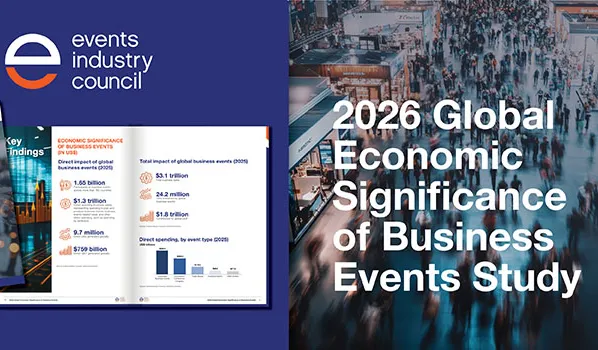
New EIC study finds business events contribute US$1.8 trillion to global GDP
Analysis

Washington DC bucks trend of US tourism decline with record visitor spending
North America

A look back at November’s IBTM and how event formats are “festivalising”
IBTMWorld

US airports face potential closures amid government shutdown
Business Travel

The countries with the highest business travel spend in the world
Business Travel