Nearly three-quarters (73.84%) of respondents to a survey from the International Association of Professional Congress Organisers (IAPCO) said global conflicts have impacted their ability to plan or host international meetings. The figure is up from 53.92% in 2025. This near 20 percentage-point increase shows that global instability is no longer a background concern for the sector; it is now a central factor in conference planning, destination selection, risk management and participation.
Global conflict, policy change and socio-political instability are clearly having an escalating and measurable impact on the international meetings and conferences industry, as the findings from IAPCO’s 2026 Global Socio-Political Impact Survey indicate.
Conducted in partnership with five leading global business events associations: AIPC, AMC Institute, ICCA, IFES and PCMA, the survey gathered responses from 130 organisations across the globe, providing insight into how the current geopolitical environment is affecting events, destinations, participants and Professional Conference Organisers (PCOs).
The research also found that 65.38% of respondents had experienced travel disruptions affecting clients and/or participants, up from 41.67% in 2025, while 58.46% reported reduced international attendance or participation. Almost half reported increased costs to their teams, and 48.46% said costs had increased for clients and/or participants.
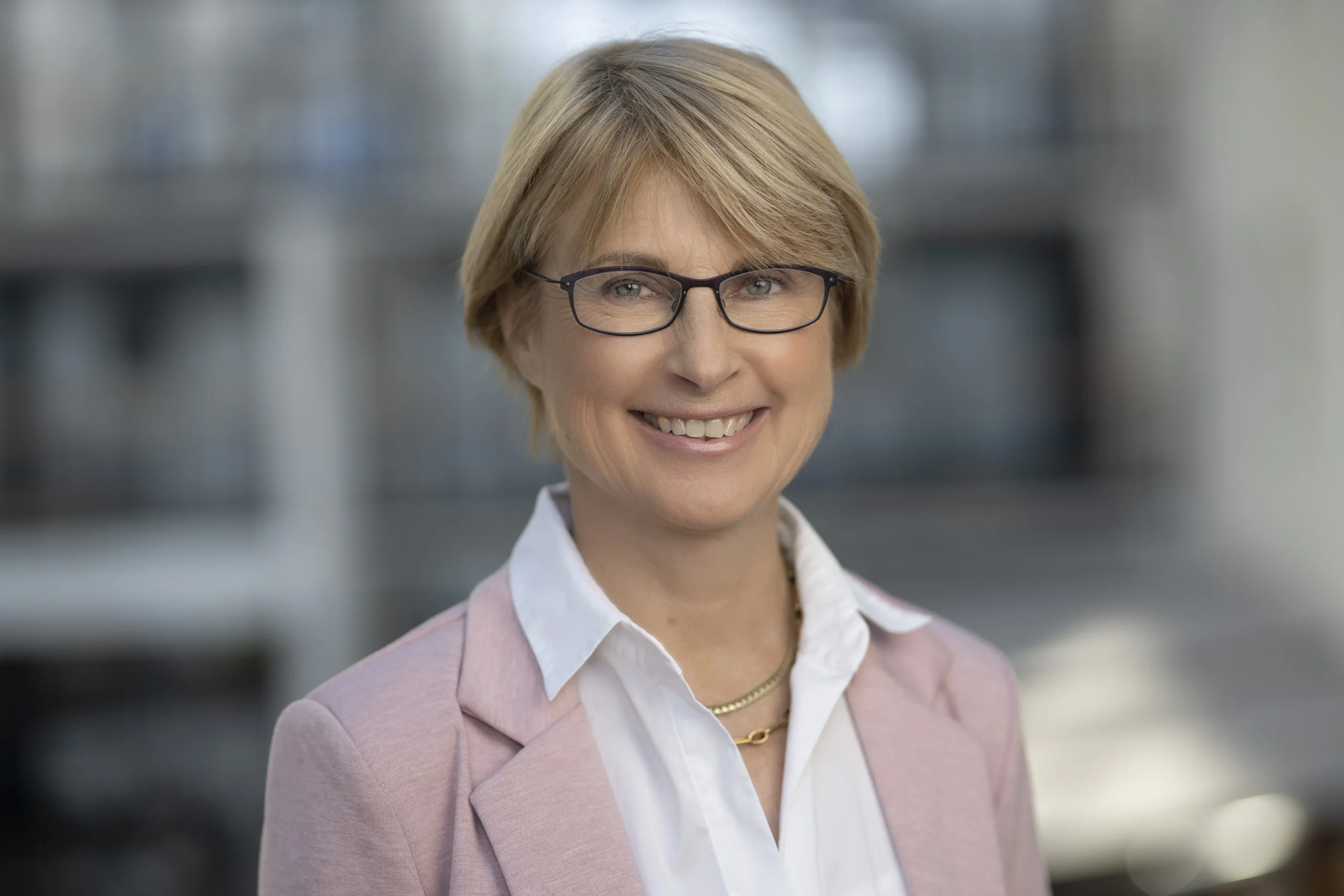
Sissi Lignou, president of IAPCO, said the findings demonstrated that geopolitical instability is no longer a peripheral challenge for the sector: “Conferences and meetings are where knowledge is shared, research is advanced, relationships are built and industries move forward. These findings show that global socio-political instability is now directly affecting that essential exchange.
“IAPCO Accredited PCOs play a critical role in helping associations, destinations and participants navigate this uncertainty with professionalism, agility and care.”
The impact is already being felt across the event lifecycle: 33.07% of respondents to the study said they had frequently or occasionally had to cancel, postpone or relocate events, or withdraw planned participation due to safety concerns or regional instability. A further 42.31% reported a shift away from destinations perceived as politically or regionally unstable, with respondents avoiding conflict-prone regions.
The survey also highlighted the growing influence of government policy on future event planning, with 59.32% of respondents saying US government policies enacted in 2025 and 2026 had affected their ability to plan and execute events for 2026, 2027 and 2028.
Funding cuts affecting academic and scientific experts’ ability to travel, alongside visa and immigration policies affecting international participants, staff and speakers, were identified as the most significant policy-related challenges.
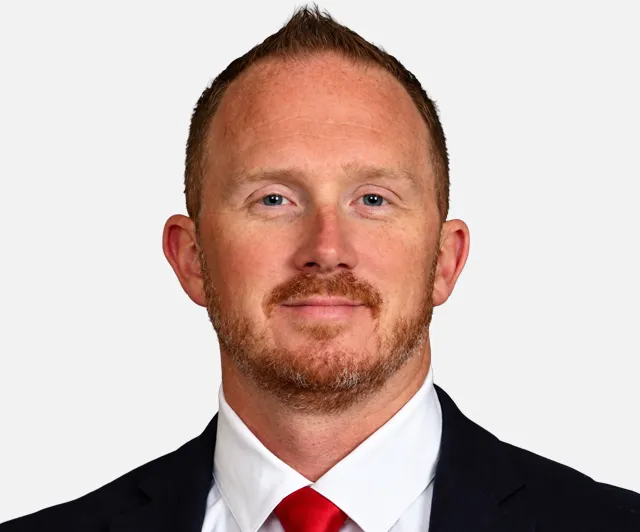
Martin Boyle, CEO of IAPCO, added: “The meeting and conference industry is operating within increasing complexity and the role of the Accredited PCO has never been more important.
“From contingency planning and destination advice to stakeholder confidence, budget management and participant safety, PCOs are helping clients adapt to changing global conditions while making informed decisions in a fast-changing world.”
In 2025, IAPCO reported its Accredited PCOs organised 23,512 meetings and events worldwide, managing 7,718,808 participants.
IAPCO added the findings reinforce the need for stronger industry advocacy, reliable data and deeper collaboration across associations, destinations and professional organisers.
The full report, The Global Socio-Political Impact Survey 2026, is available on the IAPCO website