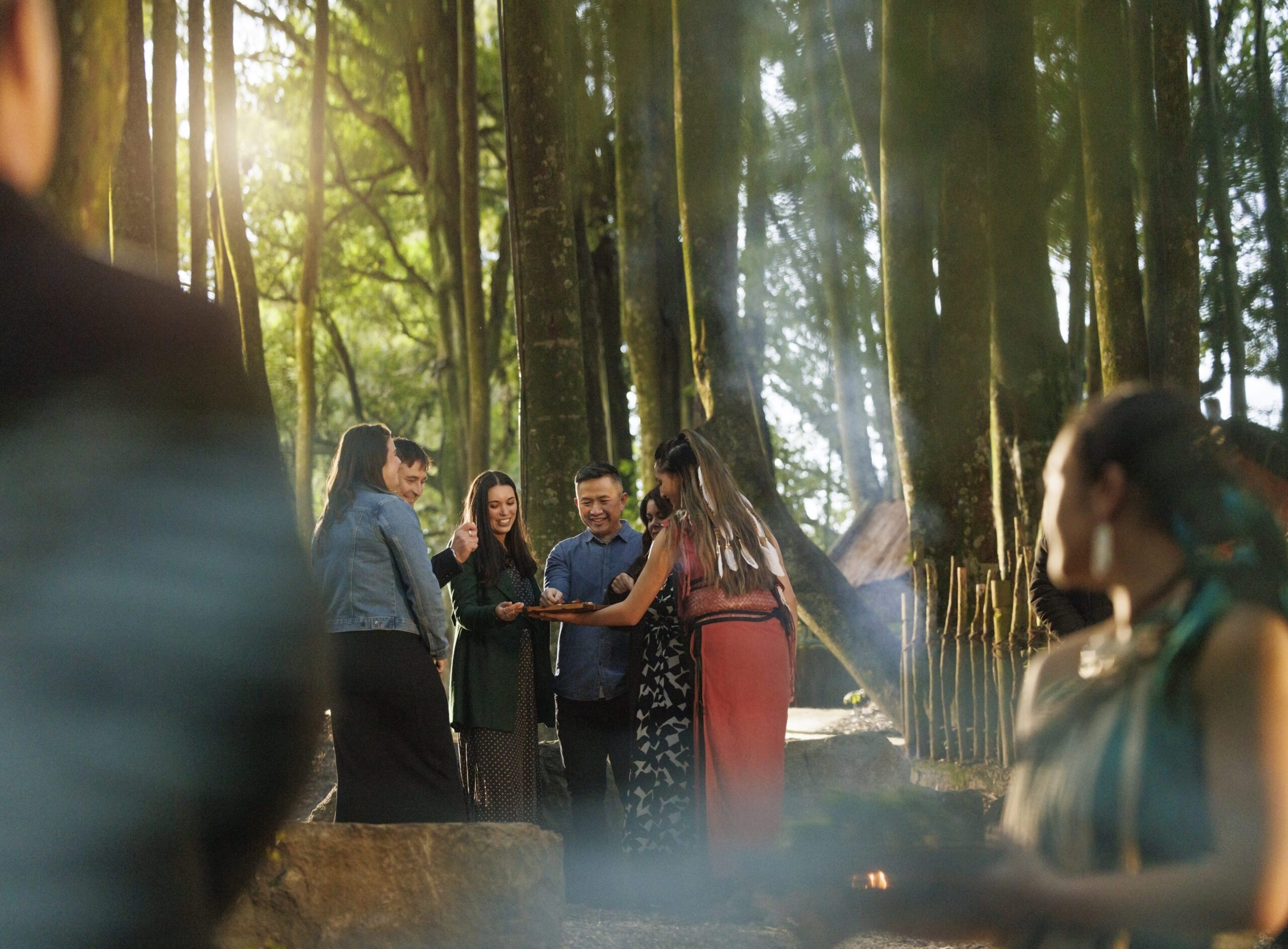
New Zealand’s unique Māori culture is giving it an edge in both conference content and appeal. Creating space for diverse voices and ensuring an authentic, inclusive connection with the local culture and host community are becoming ever more important in conference delivery. While New Zealand’s indigenous Māori culture has always held appeal for international visitors, now the Te Ao Māori (Māori worldview) approach is being increasingly embedded in its conference delivery, from values to content. Recognised as the tangata whenua – or people of this land – Māori have a unique Pacific culture and world view with a strong emphasis on hospitality and respect for the natural environment. With an asset base worth circa $70bn, Māori are rapid risers in the wider New Zealand economy, delivering unique Mātauranga Māori (knowledge) in areas from food and fisheries to education and health. “If a country’s appeal for events could be compared to a gift box, with solutions for the organisation’s and delegates’ business, educational and scientific objectives as the contents of the box, and the destination’s tourism and culture as the emotional wrapping paper, then New Zealand is uniquely positioned to include its cultural appeal inside the box as well as on the wrapping paper,” says Martin Sirk, founder of strategic consultancy Sirk Serendipity and recent visitor to New Zealand.” There are increasing moves to incorporate Māori culture into conference programmes beyond the more symbolic cultural experiences, from engaging Māori speakers to including Māori representation on the Local Organising Committee to support authentic co-creation.
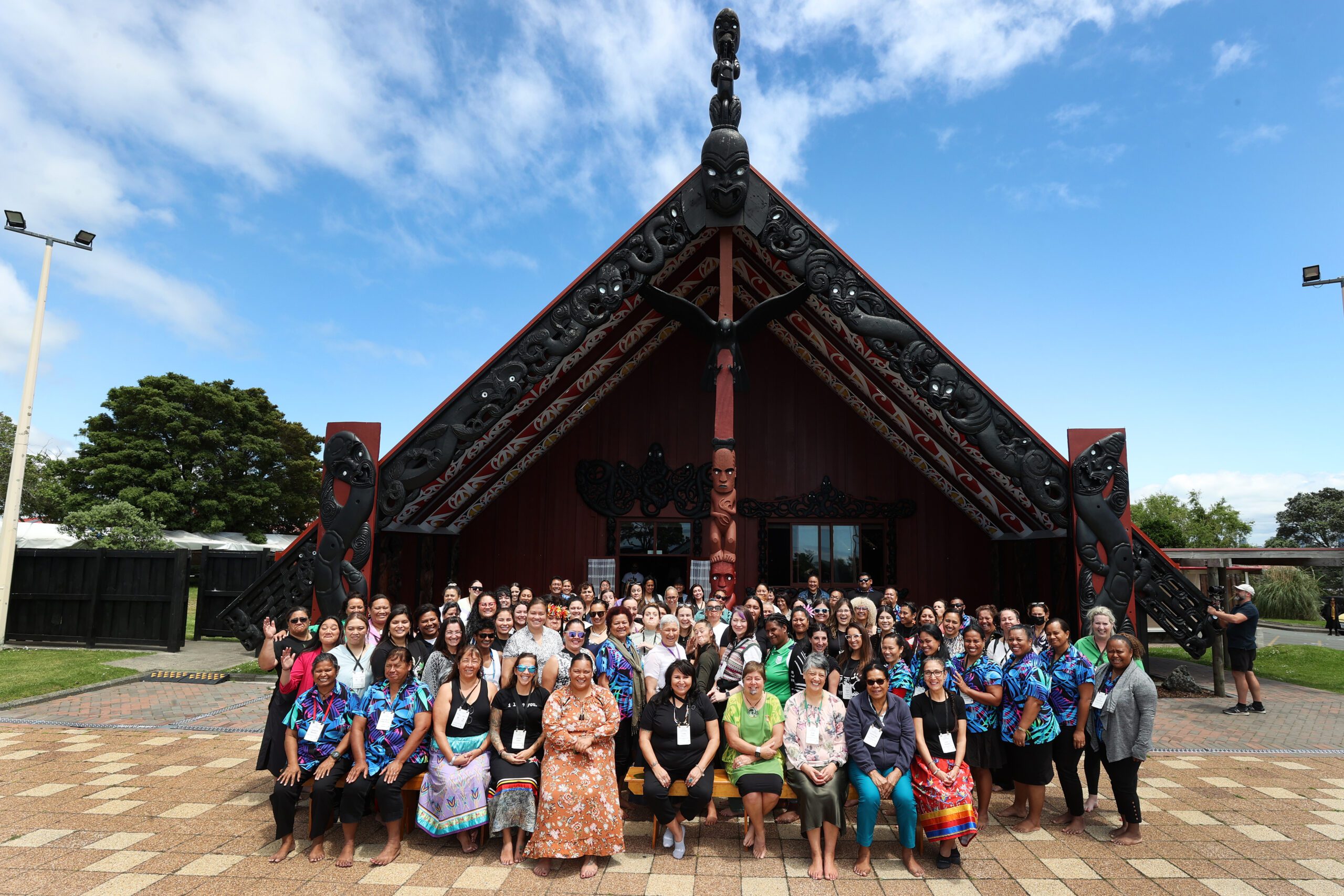
AUCKLAND, NEW ZEALAND – First Nations indigenous workshop at Ōrākei Marae during the 8th IWG World Conference on Women & Sport on November 16, 2022 in Auckland, New Zealand. (Photo by Fiona Goodall/Getty Images for WISPA)
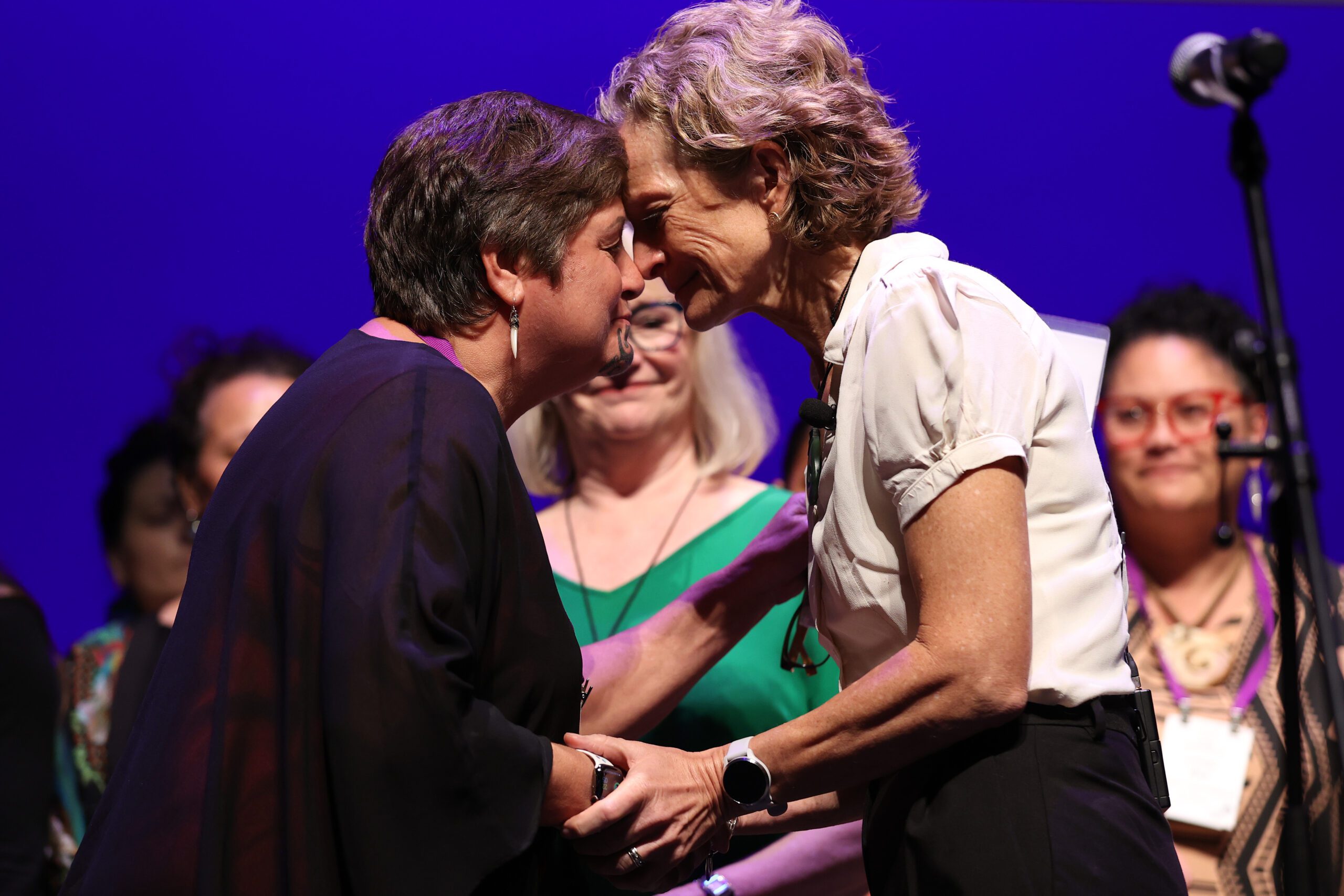
Seeking equity and outcomes This was evident at the 8th World Conference on Women & Sport held at the Aotea Centre in Tāmaki Makaurau Auckland last November, attracting 1,850 delegates from 90 countries. Indigeneity was a strong focus of the proudly bi-lingual conference which aimed to advance gender equity and equality in sports and physical recreation for women and girls. Local host WISPA (Women in Sport Aotearoa) arranged an advisory rōpū (group) He Wāhine Toa Kei Te Kokiri, which, alongside Ngati Whātua Ōrākei as host iwi (tribe), guided organisers through the best way to integrate Māori values, content and culture into proceedings: from the opening traditional pōwhiri welcome, to the poi and waiata (song) in the programme activities, the speakers on stage, to the closing ceremony passing over of the mauri (life force) stone – Te Hā o Hine (female essence) to the next hosts. Outcomes for Māori were also embedded in the conference. The first Indigenous-focused initiative of IWG’s 29-year history took place at the Auckland event, with a First Nations Workshop held at Ōrākei Marae attracting 115 participants from 19 countries who identify as First Nation peoples. Together they created an Indigenous Statement with 16 actions to promote a safe and equitable space for Indigenous women and girls around the world. As well as a focus on incorporating youth voices in the speaker line up, WISPA gave 76 scholarships to young leaders and Māori Kōhine (girls) to attend the conference, to empower the next generation of New Zealanders. The waiata “Tūtira mai Ngā iwi” we sang every morning of the conference, couldn’t have been more fitting to reflect each delegate’s purpose and why we were all there. The English translation means “Stand in rows of people, all of us, all of us, seek after knowledge and love of others – everyone” – Participants
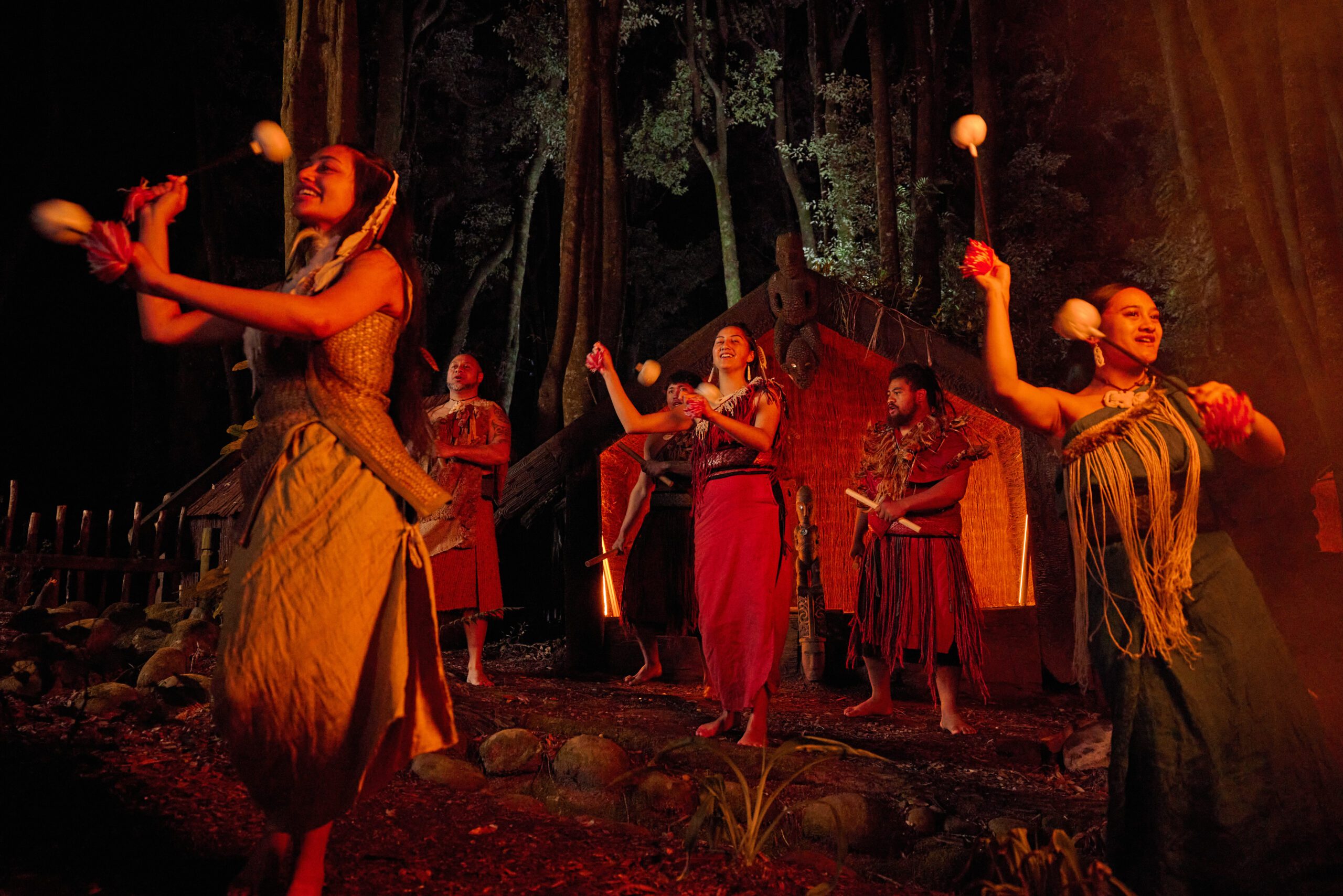
Te Pā Tū, Rotorua, Bay of Plenty
Culturally grounded education Te Ao Māori is also being recognised as a unique strength for New Zealand at bidding stage. Tourism New Zealand general manager New Zealand & Business Events Bjoern Spreitzer adds: “The authentic and transformative cultural knowledge and experiences that Aotearoa New Zealand can offer business event attendees really sets us apart as a destination. These events create excellent opportunities for knowledge sharing and positive legacies.” Auckland has been chosen to host WIPCE 2025 – the World Indigenous Peoples’ Conference on Education in November 2025. WIPCE is the largest, most diverse Indigenous education forum in the world, and is expected to attract some 3,000 representatives to New Zealand to share strategies for culturally grounded education.
AUCKLAND, NEW ZEALAND – Closing ceremony during the 8th IWG World Conference on Women & Sport on November 17, 2022 in Auckland, New Zealand. (Photo by Fiona Goodall/Getty Images for WISPA)
The bid was led by Auckland University of Technology’s Office of Māori Advancement and Te Ara Poutama – its Faculty of Māori and Indigenous Development – with support from Auckland Convention Bureau, and Tourism New Zealand’s Business Events team. The bid also received support from Māori King Te Arikinui Tūheitia Paki, the chair of Ngāti Whātua Ōrākei Trust Marama Royal, and distinguished academic leaders in Māori advancement. AUT’s pro vice-chancellor for Māori Advancement, and chair for WIPCE 2025, professor Pare Keiha, says: “We look forward to welcoming thousands of our global Indigenous brothers and sisters to the shores of Aotearoa New Zealand, so that we may collectively work to transform the lives of our young people, the world over.”
Te Pā Tū, Rotorua, Bay of Plenty
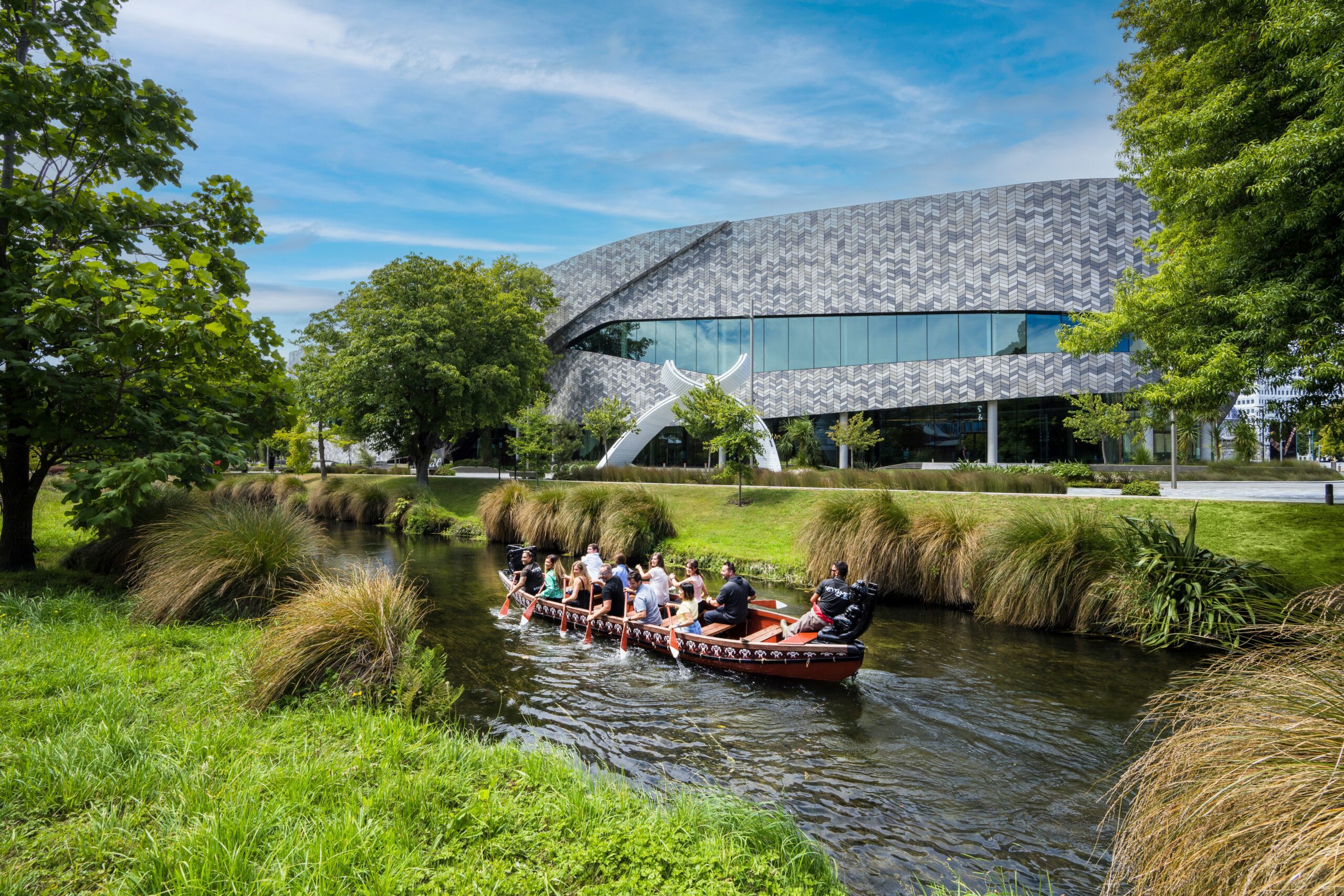
The vital role of inclusive approaches Ōtautahi Christchurch will host the International Association for Media and Communication Research (IAMCR) in 2024, the first time in almost 30 years the global communications conference will take place in the Southern Hemisphere. More than 1,000 delegates are expected to convene at Te Pae Christchurch Convention Centre. The conference will be hosted by Te Whare Wānanga o Waitaha | University of Canterbury (UC) academics, putting Indigenous knowledge at the centre of communication research. UC’s bid for the conference was submitted in partnership with mana whenua Ngāi Tūāhuriri (the local tribe), with the support of ChristchurchNZ and Tourism New Zealand. The conference theme, ‘Whiria te tangata | Weave the people together: Communicative projects of decolonising, engaging, and listening’, invites reflection on the terms and models appropriate to describe contemporary communication, including the political and moral goals embedded in them. “Supporting this conference is a unique opportunity for our academics to share their perspectives on Indigenous knowledge with the wider world and perhaps inspire communications research globally,” UC Tumu Whakarae|vice-chancellor professor Cheryl de la Rey says. Christchurch has also recently won the 8th Adaptation Futures Conference (AF2025) in 2025, which is part of the United Nations World Adaptation Science Programme (WASP). The international climate adaptation conference will bring together 1,500 delegates, including the world’s top scientists, Indigenous scholars and policymakers at Te Pae Christchurch. Again led by UC and endorsed by mana whenua Ngāi Tūāhuriri, with the support of Te Rūnanga o Ngāi Tahu, along with a Scientific Steering Committee drawn from universities across Aotearoa New Zealand, the bid acknowledged the vital role of inclusive approaches to climate-resilient development, which AF2025 will recognise by drawing on Indigenous and local knowledge and special relationships with mana whenua, to advance a fairer, more liveable, and sustainable future for all. To learn more about the benefits of holding a conference in New Zealand, visit businessevents.nz.comHeader image: Avon River, Christchurch