Higher Education needs an intuitive events solution to close the gap created over the last two years, says San Misra, CEO of ayda, the hybrid events platform: The pandemic forced many industries to migrate online. While some thought that events would be the hardest hit, the new virtual events industry boomed as people worked from home – with the likes of Hopin being valued at $7.75bn at just two years old. For many people, 2020 was their first time attending a virtual event. Most virtual platforms tried to replicate the usual in-person experience and attendees and organisers made the effort to learn and make the platforms work. Now that in-person events are back on the calendar and more people than ever are familiar with the benefits of virtual, the future is hybrid. The requirement now is to make every event truly engaging, irrespective of how someone is attending it. There’s a huge demand for tailored and engaging events in certain industries and one of them is education; more specifically, Higher Education. Hybrid higher education is here to stay The last couple of years have been difficult for students across the world. There’s a massive gap in learning, skills and life experiences. Millions of students were forced home as the virus spread across the world and the higher education sector, which had previously been a laggard with reliance on old-school technology and paper-based processes, experienced an accelerated and unanticipated digital shift. As we emerge from the pandemic fog, many universities have decided against a return to full-time in-person teaching. Higher Education has truly gone hybrid. However, platforms used for events are not fit for purpose. A number of virtual and hybrid event platforms are in use across universities and other Higher Educational institutions – most are repurposed conferences and webinar platforms. While they may work for some academic conferences and webinars, none truly caters to the range of campus events – student events (e.g. Freshers’, Varsity, Graduation etc.), recruitment and careers fairs, alumni meets, talks and more. In order to help and support students and education professionals, we must move away from generic event platforms as they fail to engage attendees and are cumbersome for event organisers. A tailor-made events platform for education – personalised to the needs of attendees, equally engaging whether attending virtually or in person and easy-to-use for event organisers, is what’s needed to close the significant gap created over the last two years. Engagement must be at the core of design The most widely utilised hybrid and virtual event platforms in Higher Education are optimised for conferences, expos, webinars and corporate events. They replicate those event experiences with reception areas, lounges, breakout spaces, booths, etc. While skeuomorphic approaches with 3D virtual worlds worked well in the early days, they feel gimmicky and underwhelming. Some of the newer platforms do offer a more simplified and contemporary UI (user interface) approach but are still structured like their skeuomorphic cousins. While that’s perfect for SXSW or Dreamforce, this type of a set up laden with a smorgasbord of features, adds little to the overall attendee experience or event organisers’ experience where Higher Education events are concerned. Students have grown up with PS4s and Oculus headsets; not to mention their eight-second attention span. If we consider the lifestyles of Generation Zers, with every other digital technology they interact with being personalised, fun and exciting; the vast majority of hybrid and virtual events platforms fail to appeal to the ‘tech natives’. They want a simple, engaging, personalised, connected and gamified experience with a design language that speaks to them. A platform for student events needs to be one they actively want to interact with and are incentivised to re-engage with. Minimalist, multi-purpose platforms We mustn’t overlook the other side of this. The adoption and usage of event tech equally depends on education professionals. After all, they are perennially overworked and can spare little time for training and support. A large conference or a corporate event needs a host of features, ranging from registration, networking, lead generation, multiple stages, different tracks, etc. It’s possible to configure an event to one’s satisfaction and professional event organisers love it. But this complexity does not work for the education sector where events are generally a lot simpler. A hybrid events platform needs to be intuitive and easy-to-use for education professionals, connect seamlessly with the higher ed ecosystem (e.g. integrations with existing tools such as membership management solutions, student LMS (learning management systems), SIS (student information systems) and enterprise content management solutions etc. and flexible enough to cater to all types of campus events. After 18+ months of all-day video calls and corporate looking booths being passed off as virtual classrooms and virtual events, the need for a hybrid and virtual event platform tailor-made for higher education is more than ever. Anything less will only widen the massive gap in learning, skills and life experiences and will inevitably lead students to question the value they are getting from higher education – and it’d be a downward spiral from there on for Higher Education.

Guest Author
Mind the education event tech gap

Comments
Comments are closed on this post.
Trending
AIPC and ICC Sydney sign three-year partnership to anchor Academy at the venue and expand its reach
1 week ago
Incredible Impacts Main Grant winner announced at ICCA Congress
1 week ago
The Calgary TELUS Convention Centre collaborates with SAIT to join ICCAUni
1 week ago
IBTM World 2026 prepares to ‘Meet the Moment’ with expanded tech focus
1 week ago
Infectious diseases conference coming to Christchurch, NZ
1 week ago
Red Bull Technology Campus, the Commonwealth Games and the late Queen's state funeral under discussion on IBTM World Main Stage
1 week ago
Thailand step ups to host IBTM Asia Pacific 2027
5 days ago
Advertisement

Essential Reads
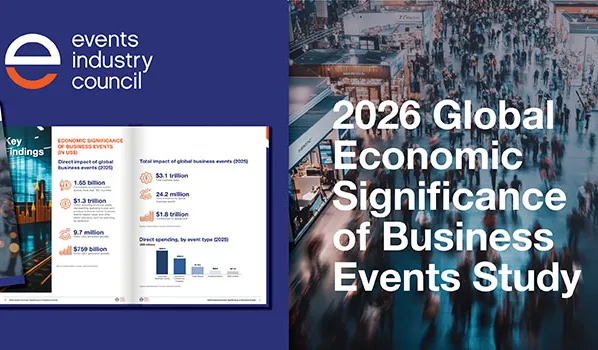
New EIC study finds business events contribute US$1.8 trillion to global GDP
Analysis

Washington DC bucks trend of US tourism decline with record visitor spending
North America

A look back at November’s IBTM and how event formats are “festivalising”
IBTMWorld

US airports face potential closures amid government shutdown
Business Travel

The countries with the highest business travel spend in the world
Business Travel