In a world beset by conflict, pandemic and strikes, event insurance would seem to provide some comfort, right? CMW examines organiser experiences and offers a few tips.
Although event organisers are keen to move ahead smartly post-Covid now that the market is finally fully open once more, it is still worth reflecting on the event insurance value principle, not least as few companies in the sector were fully covered for what transpired during the Covid pandemic.
Global event organiser Hyve was one of the insurance success stories. Indeed, few organisers had such robust insurance policies as the Hyve Group which says it has collected close to £100m (US$135m) to date in payouts in recent years, mainly due to cover in place for Covid cancellations.
However, many organisers were not covered at all for cancellations either due to Covid, or during other natural catastrophes such as volcanic eruptions and even war. Strikes and deaths of a sovereign have proved challenging also for some event companies in recent times. Cover for much of this has generally been either unavailable or prohibitively expensive.
Bringing back communicable disease coverage to event cancellation insurance was identified recently in the USA by the Exhibitions and Conferences Alliance (ECA) as a key 2023 public policy priority.
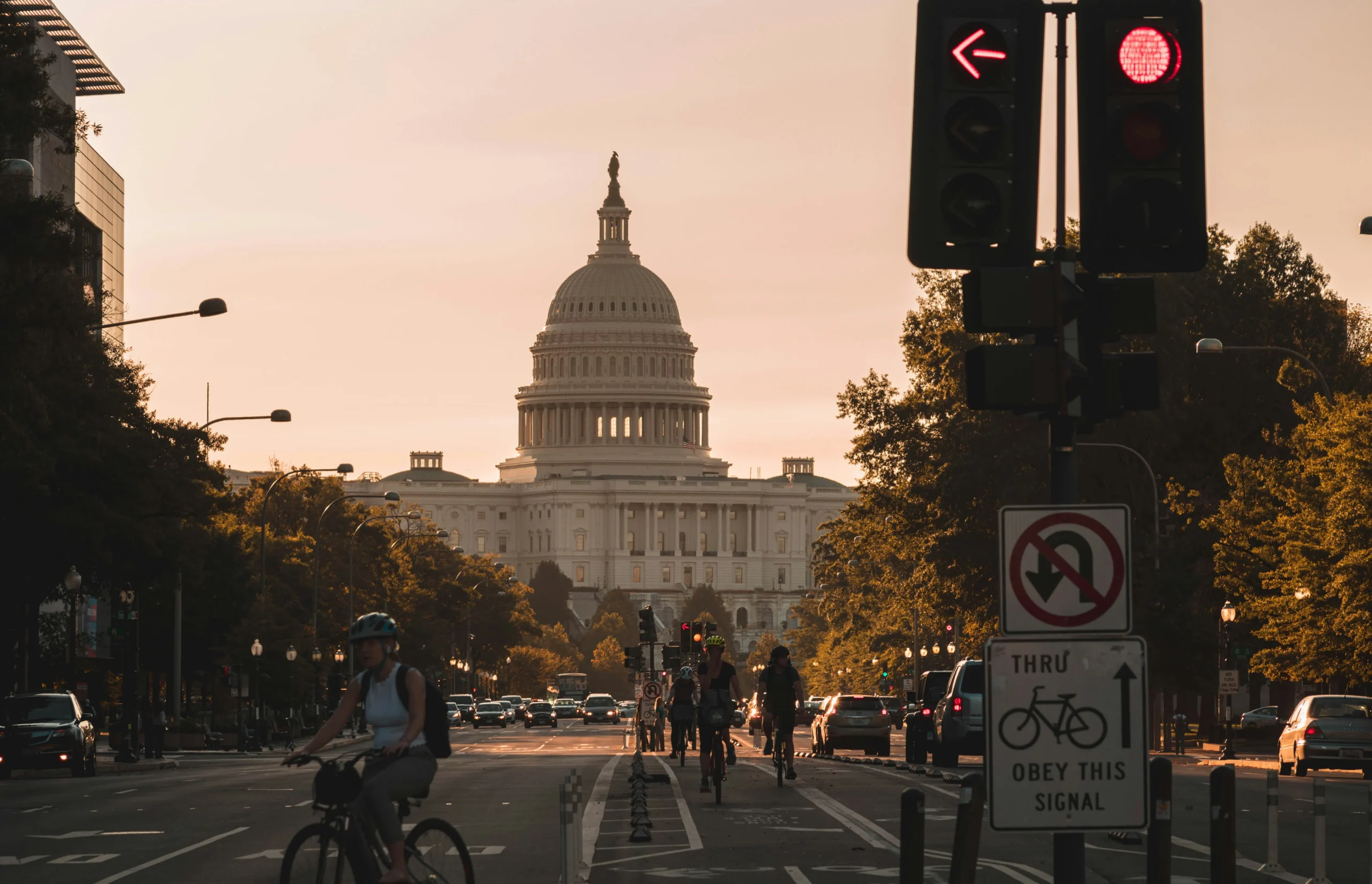
David DuBois, International Association of Exhibitions and Events president and CEO, and ECA co-president, pledged the issue would be part of the ECA agenda for its advocacy work on Legislative Action Day Washington, DC on 1 June, 2023.
Do we need insurance in a fast-changing landscape?
A recent Mash Media conference in London quizzed three experts in the event insurance field about whether we actually need event insurance services at all.
Clearly, the landscape can change quickly and with adversity comes fortitude, as illustrated by a recent article in our sister publication, Exhibition World about a Ukrainian organiser running a successful beauty products conference and trade fair in the Kyiv venue’s underground space-cum-bomb shelter.
But, with organisers increasingly working under tight margins, there may be a tug of war between taking on insurance and cost-saving measures.
The recent EN Indy Conference in London’s panel discussion on event insurance chaired by Mash Media managing director Julian Agostini heard from three experts in the field: John Rice, divisional director of Howden Insurance Brokers, George Tsangari, Group CFO at Montgomery Group and Mark Symons, underwriter at Convex. Agostini asked whether organisers actually need cover to protect their events.
“That’s something that each entity needs to make their own decision on,” said Symons. “Insurance is a product like any other. If it doesn’t do what it’s meant to do, then clearly there’s a fault in that product.”
Rice added: “You get what you pay for. There is a clear difference between an off the shelf product transacted in a non personal way and having a relationship with your insurers which can hopefully deliver results.”
Tsangari said Montgomery Group was grateful to have a communicable disease extension in place pre-pandemic, meaning it was one of the few major event organising companies in the industry to successfully make a claim on the back of the Covid-19 outbreak.
“When we took out the policy and kept renewing it, it wasn’t costing that much more – so why not have it?” Tsangari said.
Symons said checking what was not covered is a key process in deciding if you need insurance. He noted that weather is a significant cause of loss for both indoor and outdoor events. “The biggest problem is where there’s a mismatch between what the client assumed was covered, versus the reality of what the policy actually covers.”
Rice said it was possible to get cover for transport strikes, which have caused several events to cancelled or rescheduled in Europe in recent times.
“There has to be a single common cause, and there would normally have to be a threshold that is met,” Rice said, adding that insurance is a relationship game: “I always recommend with my clients that they get to meet their insurers. Frankly, most people hope they won’t claim on their insurance policy, but it’s harder to say no to someone when you have met them personally.”
Symons said that with increased costs and when margins are down, “it’s so important you know what you’re spending your money on”. “It’s worth putting the time in and opening that conversation with the insurer and broker,” he added. Tsangari concluded: “If you can afford not to have insurance then don’t have it. But the world isn’t black and white, it’s grey. That’s one of the reasons why we have insurance. If you don’t have insurance, you have no chance. What can you afford to lose?”
Value
CMW asked industry expert Paul Cook of Planetplanit.biz and former event insurer what he thought of the value principle today in events insurance. “Insurance carriers are always on the search for new innovations to help give them the edge over their competitors. In addition, they have their own underwriting criteria whether to accept or decline risks. Being that there is a healthy degree of competition, it is always worth being crystal clear on what exactly is offered as coverage.
“In recent years, issues such as terrorism atrocities, Covid-19 and a volcanic ash cloud led insurers to scramble. Unfortunately, an initial reaction is that insurers tend to restrict or withdraw cover across the board. However, when the dust settles (no pun intended) they reflect and decide on what they can do to make their cover attractive once again. For example, certain elements of cover may be added back in, subject to underwriting conditions and an additional premium being made.”
The test that many policyholders use to assess the value of an insurance policy is whether a claim is paid or not. However, this basic measure is too simplistic. It doesn’t factor into account other important benefits that insurance coverage provides.
Paul Cook again: “The most obvious value is that insurance provides peace of mind. The exchange of a premium in return for knowing that a loss will be met is a huge relief for many.
“If you are in the fortunate position of having significant financial reserves you may be able to withstand a loss. However, most prefer to spend a small amount of money on an insurance policy rather than have to liquidate their funds.”
SIX ACTION POINTS/TIPS
Not sure where to start when it comes to organising your insurance cover while planning your event? Planetplanit.biz offers these tips to help:
1. Make inusrance a priority
It is wise for event organisers to push insurance (along with risk planning) to the top of the To Do list. Leave insurance too late and you may not be able to find the cover you need. When should you buy insurance is a question for your broker or advisor but, in general, once money or contracts start being exchanged could be a trigger.
2. Shop around for quotations
Around 10 years ago there was a small number of providers but that number has now grown substantially and you could start by working down the list of suppliers listed on Google. Do ensure you get all quotes in writing.
3. Eliminate jargon
If you do not understand the insurance cover, have it explained to you. Understand what is and what isn’t covered. Use ‘What if’ questions until you are happy that you understand what would be covered by the policy.
4. Be clear on the cover you are looking for
It is costly to duplicate insurance but more costly not to have the correct insurance in place. A broker or adviser will be able to help, including what the exclusions are and how they could impact you.
5. Understand the price
How much does it cost? And be sure to know the total amount including any tax and handling charges.
6. Make sure you have fully described all the activities that will take place at your event
Provide all information that relates to your event (business). Would you want a claim turned down because you had filtered out information that you thought the insurers didn’t need to know? Refer to your adviser if you are in any doubt.