“Startups will save the world,” said Ville Vesterinen, founder of Slush – major start-up event and the largest gathering of venture capital in the world. This sort of statement, though bold, is commonly heard among some of the most successful tech founders and entrepreneurs in Europe.
As the European economy falls increasingly behind the USA, with even the poorest states like Mississippi overtaking the wealthiest European countries, the overall picture is bleak. You don’t have to dig deep to find some very concerning statistics – the EU’s share of global GDP declining from 29% in 1992 to 17% in 2023, for example.
Solutions, on the other hand, are much harder to pinpoint. However, a group of Europe’s tech elite believe they have the answer: start-ups. Leading UK government tech advisor and investor Matt Clifford went so far as to say that the UK could “go back to being pretty much the richest country in the world per capita” – if changes were made that allow start-ups to thrive.
Matt Clifford was in headlines recently, as UK PM Keir Starmer announced on 13 January that he would be delivering all 50 suggested action points in Matt Clifford’s AI Opportunities Action Plan. In a speech in East London, the PM announced that “Britain will be one of the great AI superpowers”, adding that AI is “the global race of our lives”. “Some countries are going to make AI breakthroughs and export them… Others will end up buying those breakthroughs and importing them. The question is – which of those will Britain be?”
Clifford will be brought into Number 10 in an official capacity to help deliver the action points, which include designating “AI Growth Zones”, such as Culham, Oxfordshire where planning approval for data centres will be accelerated and better access to the energy grid granted.
AI adviser to UK Government Matt Clifford speaking at Entrepreneur First ParisAcross the channel, German entrepreneur-turned-investor Andreas Klinger has co-launched EU Inc. The initiative aims to set up a pan-European entity that gives investors access to bigger pools of capital sitting in pension funds – capital that can then be invested into start-ups.
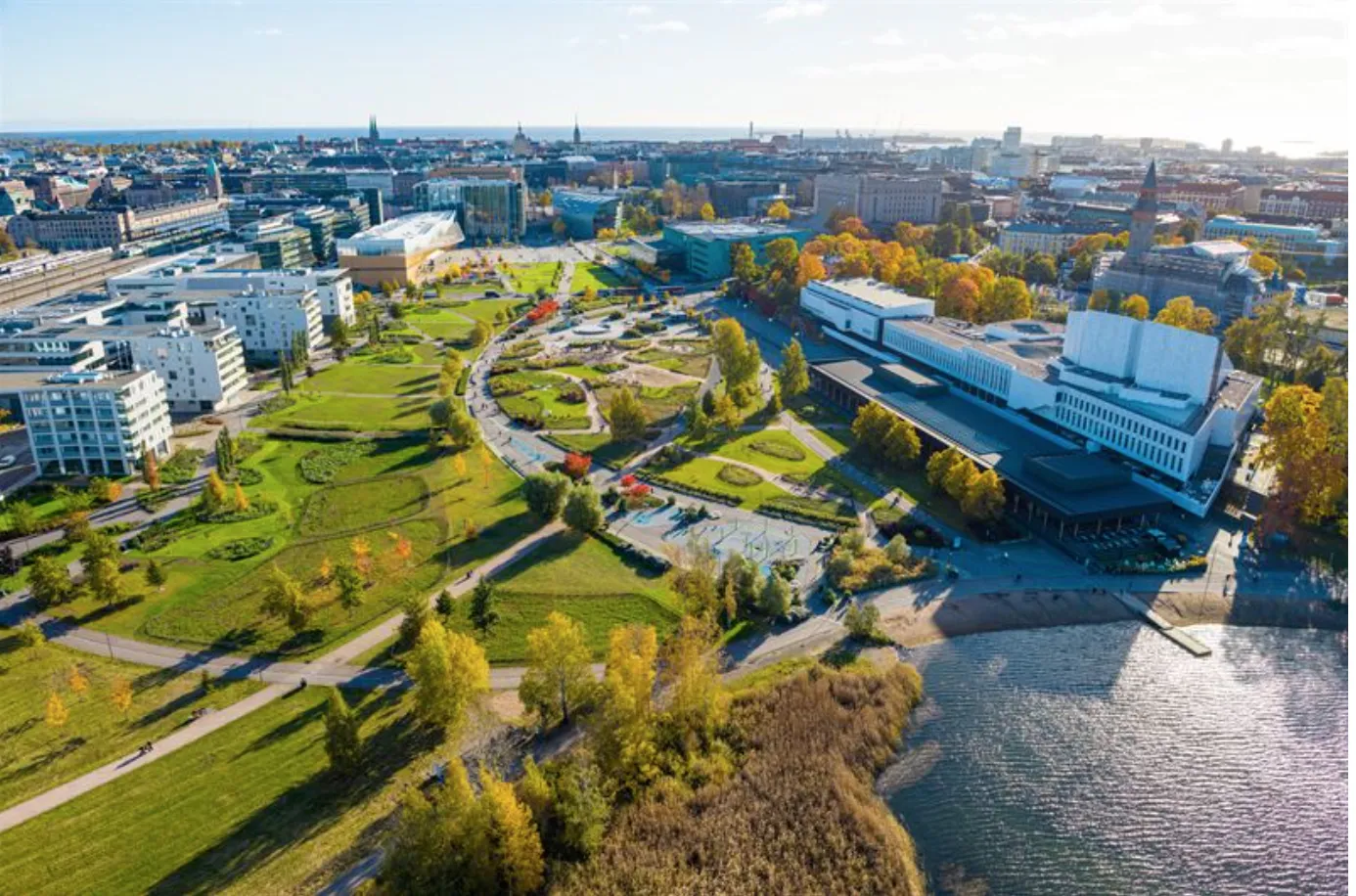
Klinger has spoken about this topic extensively, including at Slush 2024 in Helsinki. He explains the current challenges: “To invest in the EU I need to understand 30+ legal systems to make sure I am not tricked by the small print … In the US, I receive an email and can sign with one click.”
Investor Andreas Klinger speaking at Slush 2024Even President of the EU Commission Ursula von der Leyen has lent her support, saying: “A start-up from California can expand and raise money all across the United States. But our companies still face way too many national barriers that make it hard to work Europe-wide, and way too much regulatory burden.”
The importance of start-ups can be understood when comparing the economy of the USA with that of Europe. The biggest companies in America, and indeed the world, are all tech start-ups-turned-global giants that now eclipse the wealth of nations. Companies like Apple, Amazon, Meta, Nvidia, Microsoft and Google.
In Europe, by contrast, the biggest companies are old, stagnant entities like Volkswagen, Shell, BP and Nestlé. With America’s tech giants taken out of the equation, the economic scale more or less balances out.
Europe needs start-ups, especially in the AI space, if it wants to be globally competitive and independent of California. Certain conditions need to be laid in order to achieve this goal. Start-ups need better access to investor capital and less stringent regulation (such as GDPR and the requirement to hire compliance officers).
OpenAI CEO Sam Altman has repeatedly threatened to pull ChatGPT from Europe, and until recently Claude was inaccessible in the EU. In 2023, Italy became the first country in the world to temporarily ban OpenAI, as the company could not prove that it had trained its software on data obtained with user consent. The ban has since been lifted, but struggles remain, as OpenAI faces significant delays launching new features in Europe, such as the new video generation tool Sora.
Sam Altman speaking at Disrupt San FranciscoYet, these hurdles are doing little to discourage Europe’s start-up proponents. Events are cropping up across the continent, uniting the industry and lobbying for a healthier ecosystem.
Slush is a sure indicator of the value of European start-ups, attracting $3 trillion in venture capital each year to meet with Europe’s brightest founders. In 2018, open source cloud data platform Aiven landed an €8m investment following a meeting at Slush. Now, the company is valued at over €3bn, with employees across the world.
One recent event in the UK has been attracting significant attention. On 11 December, entrepreneurs and thinkers came together in London for the Looking for Growth event. Organiser Dr Lawrence Newport was instrumental in getting the XL Bully banned in the UK in 2023. Now, he has turned his attention to Britain’s stagnating economic growth.
Speakers included Faculty CEO Marc Warner and former chief advisor to the UK Conservative government Dominic Cummings (who has shown interest in launching a new start-up-based political party). At the event, Newport announced that he would be presenting a new ‘Infrastructure Bill’ to Parliament in the hopes of clearing some of the barriers that builders face in the UK. The Looking for Growth event is set to tour the country, with dates locked in for Exeter, Bristol and Manchester.
One of the main issues that proponents of tech-led growth face is the lack of media attention. The potential of AI companies and start-ups to jumpstart European economies is still too niche a subject. It is for this reason that tech-centric events are so crucial.
Entrepreneurs and investors need to spread the word, both to influential policymakers and to the wider public. Slush serves as a platform where founders can find investment. Conferences like Looking for Growth, UK AI Safety Summit (led by Matt Clifford and attended by Elon Musk), AE Global Summit on Open Problems for AI and European AI Conference serve to turn more eyes towards this potentially transformative sector of the economy.
AI Safety Summit 2023, hosted by the UK at Bletchley ParkAs this branch of the events space grows to accommodate the expanding tech sector, Europe has the opportunity to use events to promote dialogue between founders and policymakers. The tech sector, in particular AI, will completely change the global market. According to Matt Clifford, in the future there will be two types of companies: AI “takers” and AI “makers”. The UK and the EU are in the coveted position of being able to join the second category, and events have the potential to be a major vehicle in getting there.