The US hotel industry has reported positive year-over-year comparisons, according to property market information and analytics provider CoStar’s latest data through 20 June
For the period 14-20 June 2026 the percentage change from the comparable week in 2025 was:
- Occupancy: 71.3% (+1.2%)
- Average daily rate (ADR): US$178.03 (+8.4%)
- Revenue per available room (RevPAR): US$126.86 (+9.7%)
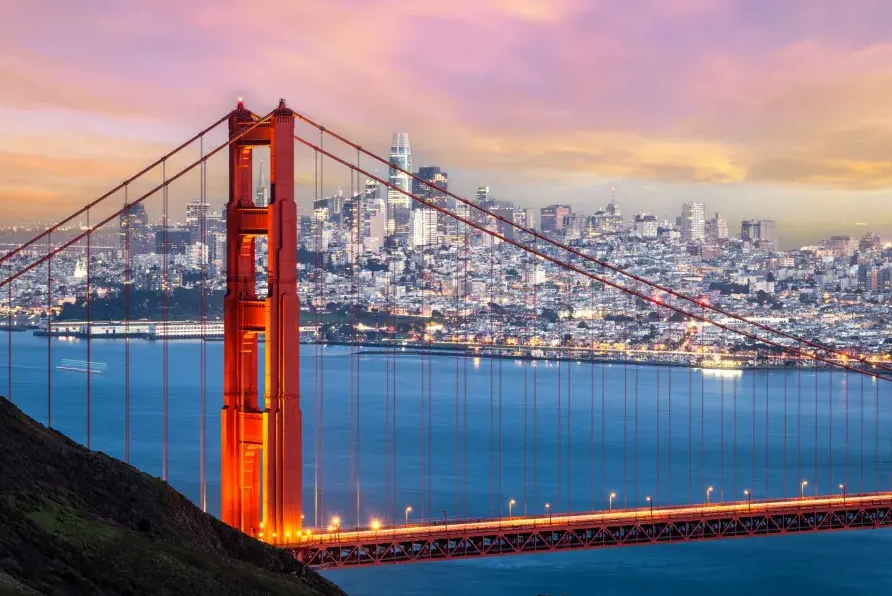
Among the Top 25 Markets, San Francisco saw the highest increases in each of the three key performance metrics: occupancy (+17.6% to 84.8%), ADR (+53.5% to US$301.35) and RevPAR (+80.5% to US$255.45). The market’s performance was helped by two World Cup matches and the Databricks Data + AI Summit.
Houston, which hosted three World Cup matches, reported the second-largest RevPAR gain (+28.1% to US$100.01), while Seattle, host of two World Cup matches, posted the second-highest ADR lift (+30.5% to US$271.80).
Overall, 21 of the Top 25 Markets registered an increase in RevPAR.
For more information about the company and its products and services, please visit costargroup.com.
A slightly less bullish report comes from the Illinois Hotel & Lodging Association (IHLA) whose 2025 Chicago visitation figures show modest growth
“Chicago remains a world-class destination, and we’re encouraged by these positive trends despite numerous headwinds, including widespread economic uncertainty and evolving federal policies that impact international travellers. While we celebrate recent growth, Chicago visitation numbers lag pre-pandemic levels and hotels continue to face numerous challenges in the form of higher operating costs, growing property taxes and overburdensome regulations,” said Michael Jacobson, president & CEO, IHLA. “Now more than ever, it is vital civic leaders make smart policy decisions to bolster the hotel and hospitality industry, which is central to the economic success of our region. We remain committed to working collaboratively to foster a vibrant travel sector that allows us to create jobs, support employee success, and generate investment across Chicago.”