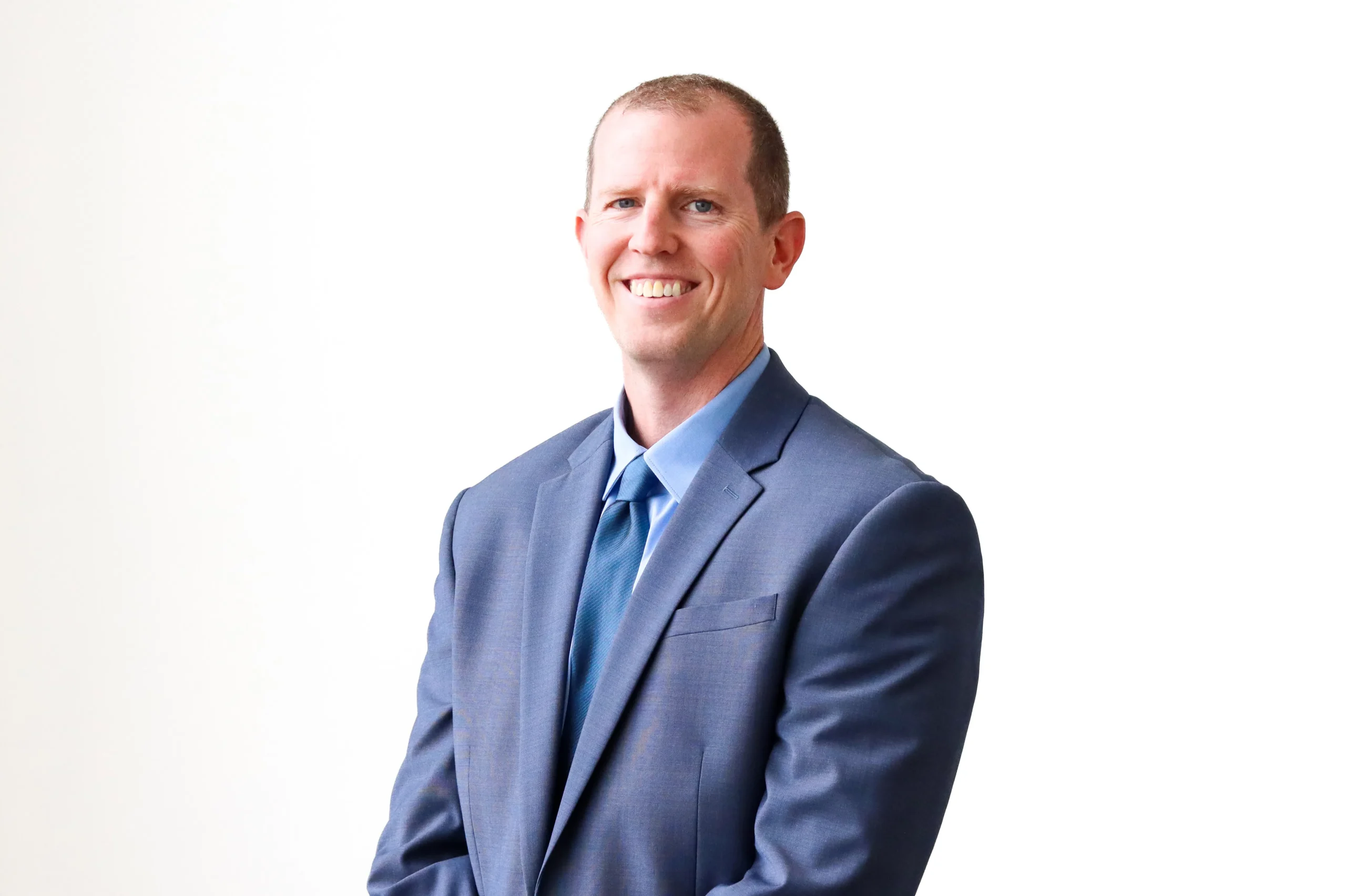
Iain Stirling speaks with Melissa Riley, senior vice president of convention sales and services at Destination DC. With more than two decades of experience promoting Washington, DC as a premier global meetings destination, Melissa shares how the city continues to evolve beyond its political identity to showcase its culture, innovation, and diversity. The discussion explores Destination DC’s strategies for attracting major international events, the city’s unique appeal for business and leisure travellers alike, and the growing importance of purpose-driven meetings in today’s global events landscape.
IS: Melissa, let’s begin with the challenges. How realistic are the issues currently facing Washington, DC, particularly in the context of business events?
MR: The challenges are very real, both nationally and locally. On a national level, immigration and visa access remain a concern for international delegates. We work closely with the US Travel Association to develop international toolkits that help delegates navigate the visa process and dispel myths – like the idea that you need a burner phone to enter the US, which is simply not true. These misconceptions often stem from isolated incidents that get amplified in the media.
We use real examples to counter this narrative. For instance, the International Society on Thrombosis and Haemostasis recently held a conference in DC with over 4,500 attendees, and not a single issue was reported. Their experience was smooth and uneventful, which is the reality for most visitors. It’s about encouraging people to look beyond the headlines and understand the facts.
Locally, crime is often misrepresented. Our police chief, Pamela Smith, recently shared data showing a 30% decrease in crime. The presence of the National Guard, often viewed negatively, is actually helping to support the DC Police Department. It’s a strategic use of resources that enhances safety and allows the police to focus on community engagement.
IS: That’s reassuring. I’ve visited the US twice this year and found the experience smoother than ever. Is that what led to your recent campaigns?
MR: Absolutely. We launched Only One DC in 2023 to highlight the city’s unique offerings—like walking into the Library of Congress or experiencing the Smithsonian museums. It’s about showcasing what makes DC truly one-of-a-kind.
We’ve since expanded with We the People, a series of videos that features 20 everyday residents who represent the true spirit of DC. These aren’t politicians – they’re creatives, educators, and community leaders. It’s a celebration of the people who make DC vibrant and diverse.
Most recently, we launched DC is Open, a campaign to reassure visitors that despite federal government shutdowns, the city remains active and welcoming. The National Mall, private museums, and local attractions continue to operate, and many visitors wouldn’t even notice the shutdown. It’s about showing that DC is more than its politics.
IS: Your CEO, Elliott Ferguson mentioned that DC feels like two cities – politics aside, there’s a thriving business events scene.
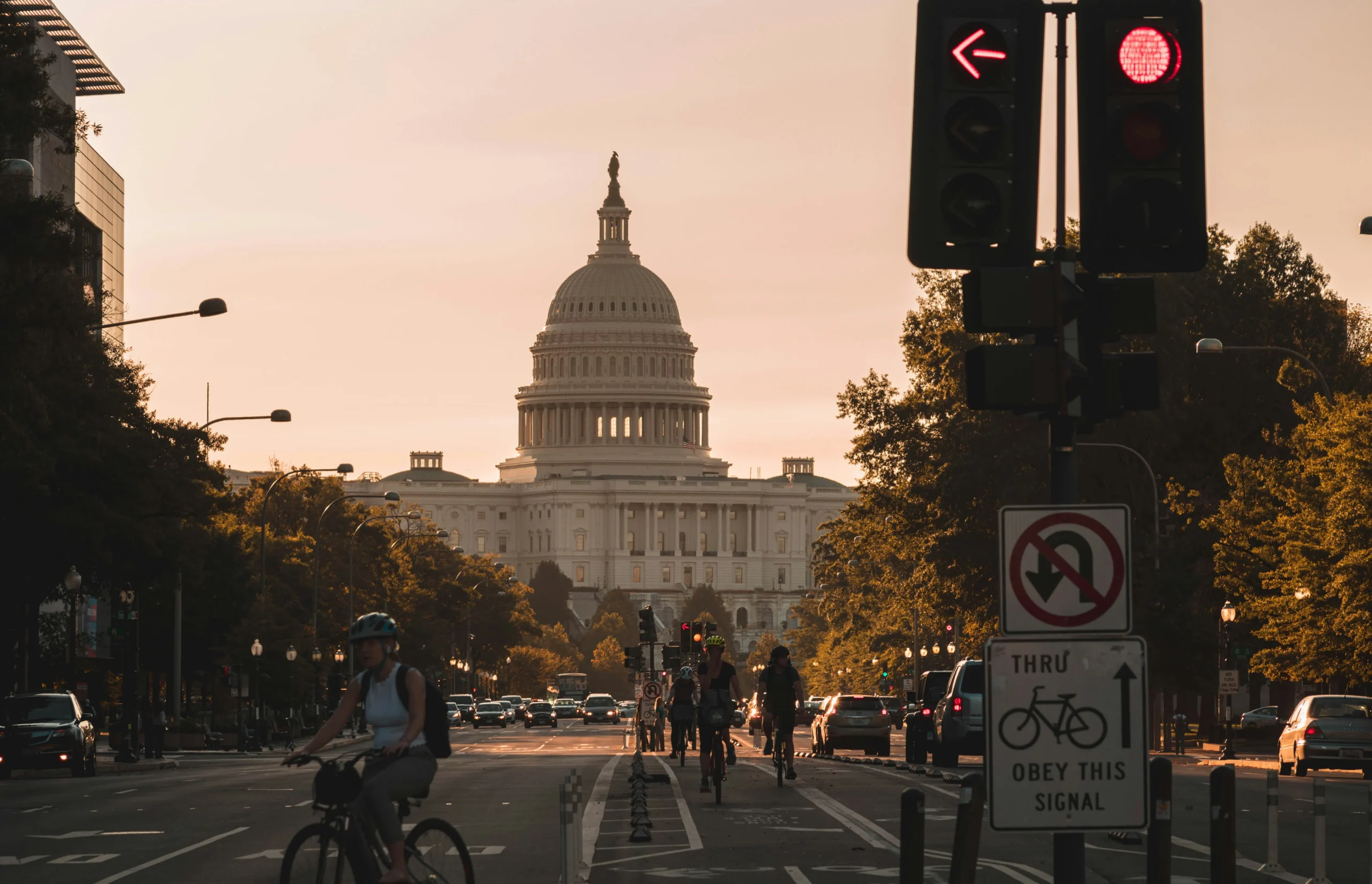
MR: That’s exactly right. I live downtown, just blocks from the Convention Centre and my office. The Washington you see on the news is a small area around Capitol Hill and the White House. But there’s a whole city of 700,000 residents who live, work, and contribute to the city’s culture and economy. That’s the Washington we want people to experience.
IS: Your presentation at IMEX America showed some disturbing headlines. It’s hard to reconcile that with the DC I’ve seen and experienced.
MR: It’s demoralising. We know the truth – DC is clean, beautiful, and culturally rich. We have 17 world-class Smithsonian museums, including the National Zoo, all free to enter. That’s unparalleled globally. But the media often focuses on isolated incidents, which distort the broader reality.
IS: And on a more positive note, you had record visitor numbers last year?
MR: Yes, 27.2 million visitors in 2024. We’re optimistic about maintaining that momentum, even though international travel to the US is currently down. We’re focusing on domestic markets while continuing to invest internationally. For example, we’ve had MICE market representation in the UK for over a year now. It’s about staying the course and maintaining global partnerships.
IS: Are there any infrastructure development plans underway in DC?
MR: Yes, we’re opening a new airport terminal next year. With three major airports and Amtrak’s expanded service, the Eastern Corridor – from DC to Boston – is more accessible and sustainable. That’s increasingly important for attendees focused on reducing their carbon footprint.
IS: Speaking of sustainability, tell me about your Sustainability District programme.
MR: It’s a pioneering initiative. We were one of the first major US DMOs to dedicate a full-time role to sustainability. Our members can opt into a checklist – not a certification – but a guide to sustainable practices. This helps us match meeting organisers with venues and suppliers prioritising sustainability.
In 2001, only 2% of RFPs included sustainability requirements; now it’s 30%. We also work closely with city agencies like the Department of Energy and Environment to ensure sustainability is a city-wide priority. It’s about creating a destination that’s forward-thinking and responsible.
IS: And you’ve got a DEI District as well?
MR: Yes, diversity, equity, and inclusion are core to our values. We support minority-owned, women-owned, and LGBTQ+ businesses through training and complimentary membership. These are often small businesses just entering the meetings market, and we help them build capacity and visibility.
IS: There’s a strong sense of community in DC. How do events contribute to that?
MR: Social responsibility is increasingly important. We aim to align with the mission of each organisation and create meaningful legacy projects. Our Connected Community initiative is part of our broader Connected campaign, which also includes Connected Capital and Connected Campus.
We’ve just launched our first-ever Resident Sentiment Survey to understand how locals perceive tourism and business events. It’s about ensuring that events benefit the community – not just economically, but socially. We want organisers to leave something behind, whether it’s through volunteering, donations, or knowledge-sharing.
IS: What are the key growth sectors for business events in DC?
MR: Technology is a major growth area – particularly cyber security, AI, and biotech. We’ve seen a drop in education and government meetings, but tech is booming. For example, Nvidia is holding a major conference at our Convention Centre this year, with their CEO delivering a keynote. That kind of investment in DC leads to more meetings and conventions, creating a positive feedback loop.
IS: And your universities play a role in that ecosystem?
MR: Definitely. We’re revamping our intellectual capital programme and launching new data initiatives this month. By IMEX Frankfurt, we’ll have a fresh approach to showcasing DC’s academic and research strengths. This helps organisers grow attendance and sponsorship by tapping into local expertise.
IS: What are some of the current concerns or limitations for event organisers?
MR: One concern is the perception of safety and political instability. While the data shows improvements, perception lags behind reality. We’re working hard to counter that with facts and testimonials.
Another challenge is the cost of travel and accommodation, which has risen globally. We’re addressing this by promoting value – free museums, walkable neighbourhoods, and access to world-class institutions.
IS: Looking ahead to America’s 250th anniversary, how will DC leverage this milestone?
MR: It’s a once-in-a-generation opportunity. As the nation’s capital, DC will be at the heart of the celebrations. We’re planning a series of cultural, educational, and commemorative events that will showcase our history and diversity. For business events, it’s a chance to align with a powerful narrative of progress and innovation.
IS: Finally, what’s your message to international event planners considering Washington, DC?
MR: My message is simple: ‘DC delivers’. We offer world-class venues, unmatched intellectual capital, and a city that’s vibrant, diverse, and welcoming. Whether you’re planning a global summit, a scientific congress, or a corporate incentive, DC has the infrastructure, expertise, and energy to make it a success. We’re not just a destination – we’re a partner. And we’re ready to help you create an event that’s impactful, inclusive, and unforgettable.
Sunset at Lincoln Memorial with beautiful orange background, Washington, D.C.