Destinations competing for international conferences have become very good at answering a familiar bid question: “What can our city do for your meeting?”
The answers are well established: strong research clusters, local connections and legacy support.
But some European cities are flipping the question: “What could your meeting do for our city?”
Copenhagen, Dublin, Berlin and Madrid offer a glimpse of what that shift could look like – and how conferences could become part of longer collaborations between global experts and the cities that host them.
Copenhagen: start before delegates arrive
Conference legacy is often associated with what remains after delegates go home. Copenhagen suggests there is also value in what happens beforehand.
Ahead of WindEurope’s conference in 2025, for example, Copenhagen Legacy Lab and partners addressed the growing skills shortage in Europe’s wind industry through a dedicated legacy project. In the lead-up, they introduced local children to careers in wind energy and developed an educational toolkit distributed to educators across Europe.
The lesson? Meaningful impact needn’t wait for the conference. Identifying priorities early allows time to build momentum and engage the right stakeholders, maximising the impact when the delegates arrive.
Timing, however, is only part of the equation. Who participates matters, too.
Dublin: bring the city into the conversation
Recent conferences in Dublin have given people directly affected by an issue opportunities to influence the discussion.
At the International Social Housing Festival 2025, the ‘From House to Home’ initiative captured social housing tenants’ accounts of their homes and communities, bringing their voices into the meeting while developing an archive for future initiatives.
The Autism-Europe Congress 2025 similarly reached beyond attendees, producing an inclusive event design blueprint and employment action roadmap alongside a public awareness campaign.
These examples broaden the definition of “expertise”: it belongs not just to international specialists, but just as much to the communities living with the issues being discussed.
Berlin: take local connections global
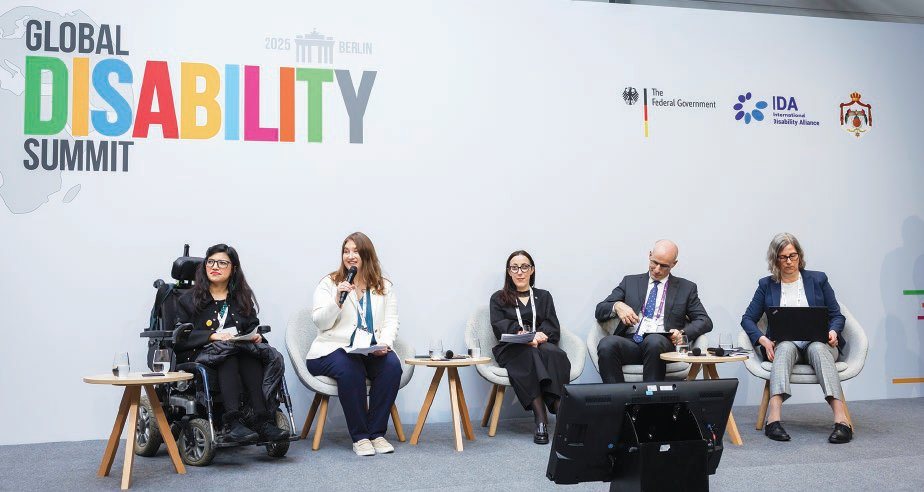
The Global Disability Summit 2025 in Berlin shows how that local knowledge can gain international reach.
Organisations working in diversity and inclusion were given a platform alongside the global summit community. The gathering culminated in the Amman-Berlin Declaration, with more than 800 commitments to advance the rights and inclusion of people with disabilities.
Berlin is also making these connections more systematic. Through its Berlin Impact Programme, the Berlin Convention Office connects event organisers with local initiatives to develop activities and partnerships with the potential for lasting social impact.
Start the clock earlier
Taken together, a more ambitious model emerges: start early, involve the people affected, and connect local initiatives to global networks.
Which brings us back to the beginning. What if a destination asked what it wanted a conference to help accomplish as soon as the bid was secured – then gave itself a year or more to work towards it?
The association and destination could identify a challenge together. Local stakeholders could begin tackling it while the association activates its global network. By the time participants arrive, the work is underway. The conference becomes an accelerator, bringing international expertise, real-world testing and public engagement to an existing initiative.
This would require associations to see their knowledge networks as assets that can be deployed between meetings, not just during them.