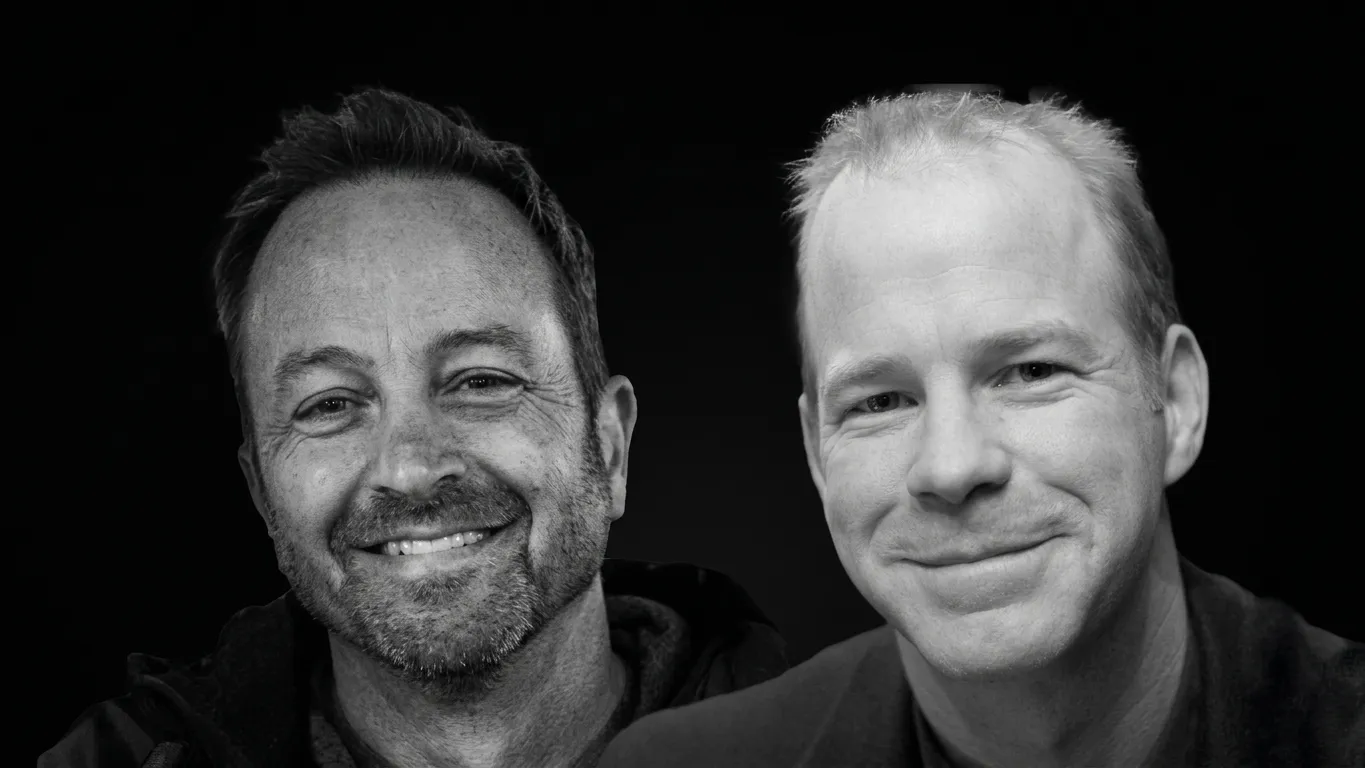
Meetings that account for many learning styles can garner greater knowledge retention, says Ryan Mazon (pictured) of Denver, USA-based Array, a leading content engagement solution for life sciences meetings: During the meeting planning stage, many organisers focus on what content should be presented and how best to highlight the critical messages. How to keep the audience engaged with the presenters and content is also something that can and should be thought out from the beginning, as is planning for data collection and analysis. Often overlooked in the process, however, is how to make sure the meeting will resonate with the different learning styles that will be represented in the room. This can result in a lower level of learning than organisers hoped for and needed. How a person learns impacts what a person learns. Through careful planning, meeting content can be presented in a way that lets each attendee seamlessly engage with it however it best suits their individual learning style. Here are five common learning styles and some key tactics for helping each acquire the critical content from the meeting: Visual learners need to see information to learn it and will be impacted by the images and graphics used. Make sure the presentation is attractive, simple to use and understand, and highlights the most important content. Distractions or multi-tasking will derail their learning as they may not be able to keep up with the presentation when they’re not looking at it. By using managed iPads®, you can avoid pop-up notifications from emails and social media that are difficult to ignore on personal computers, phones or tablets. Learners of this type also like to create their own visuals as they learn, including illustrating ideas and taking notes. Technology that allows participants to annotate slides to save and refer to later will help them guide their own knowledge retention. Kinesthetic is a learn-by-doing style that thrives on being able to interact with material, move and use their hands. In a meeting, movement could be satisfied through the ability to take notes or draw. While this is a tactic that works for the visual learner, it works with the kinesthetic learner for different reasons. The motion of writing the words will help them absorb the information they are hearing. Kinesthetic learners also are typically competitive so gamification will resonate with them. This is similarly true for polling. Answering multiple-choice questions is more interactive than sitting and listening. Verbal learners will focus on many aspects of the words your presenters use. This includes homing in on keywords, distinct word choices and elements such as alliteration. Encourage your attendees to ask questions (it’s how they learn!). Logical/mathematical: This type of learner tends to group and classify information. These attendees will generally be analytical in nature and appreciate reviewing data to get a clearer grasp of the subject. They like to solve problems and find solutions, so case studies will strongly resonate. They also retain information well when graphed or otherwise presented in a methodical, organised way. Polling that tests knowledge of presented content and then graphs responses will help them compare their pre-existing understanding with new learnings to reinforce the new messages. Auditory: As you’d expect, auditory learners will be more focused on the sound of the presentation, which includes the speaker’s words, but also the questions and answers discussed in the room. Repeating the spoken information helps them really absorb and retain information. Encourage speakers to repeat key content to reinforce it. Discussions among the attendees as a whole or in breakout groups where they talk with others about the topics will also help this group thrive. Ultimately, to provide meeting content in a way that will ensure it can be understood and retained by people who learn differently from each other requires the use of a variety of tactics simultaneously. Offer attendees the chance to see, hear and interact with the content, and organise it in a way that is visually appealing, structured and repetitive. Array is a content engagement partner for life sciences events – with nearly 20 years’ experience at over 10,000 events. www.ArrayLive.com

Guest Author
Take into account learning styles to cement event substance

| AHA 2019 Scientific Sessions in Philadelphia: Your Profile Photo Courtesy of AHA Membership team. You can use for any purpose you need.
Comments
Comments are closed on this post.
Trending
Cvent Accelerate returns to Sydney for fifth edition
1 week ago
China Ready® Workshop to return to WTM Africa 2027
1 week ago
Qatar Event Show signals sector momentum with bigger 2026 edition and new industry awards
1 week ago
CEMA’s largest Summit registers record-breaking attendance in Toronto
1 week ago
Half of Australian travel managers can't prove ROI to their own bosses
1 week ago
Events help deliver a record A$2.3bn boost for jobs and growth in Brisbane
5 days ago
Adelaide named in world's top three emerging business travel destinations
1 week ago
Advertisement

Essential Reads

New EIC study finds business events contribute US$1.8 trillion to global GDP
Analysis

Washington DC bucks trend of US tourism decline with record visitor spending
North America

A look back at November’s IBTM and how event formats are “festivalising”
IBTMWorld

US airports face potential closures amid government shutdown
Business Travel

The countries with the highest business travel spend in the world
Business Travel