Richard John talks to Panos Moutafis, CEO of Austin-based tech company Zenus If you remember Tom Cruise in the film Minority Report, where our hero has an eye transplant to avoid the ubiquitous face-recognition technology, you may have concerns about the application of such data collection tools. Or maybe you worry about stepping over the data privacy line. “It’s a warranted fear,” explains Panos Moutafis, CEO of the Texas-based Zenus, world leaders in ‘ethical facial analysis’. “But there are safe versions of the technology. The key point is we are using technology to analyse, not recognise faces. We scan attendee faces to gauge a variety of metrics that are aggregated and scored. But we have no idea who these faces belong to.” The physical set-up is simple. Unobtrusive sensors are set up facing the audience in a meeting space or around a trade show floor. The audience scanning happens in mere fractions of seconds – twice in the blink of an eye. The data capture is highly accurate and unphased by an involuntary sneeze or partially obscured face. Even protective facemasks rarely represent an issue for the analysis. Behind the hardware is a web-based dashboard that distills the data into a rich resource for planners. The technology is already benefitting organisers and exhibitors can benefit, too. For organisers, the insights can be combined with other sources of data, such as surveys, registration information and on-site observations. They can see which features, zones and stands generate the most positive delegate response. That means greater opportunity for data-driven price elasticity, more valuable feedback to sponsors and partners. Moutafis points to one global organiser whose use of Zenus revealed the majority of seminar attendees were female and under 40. That could suggest that the marketing team target more potential visitors in that demographic. Or, the organiser might design different types of events for other segments. “So much of an event’s success revolves around the level of engagement. The magic is taking the data and analysing key factors, including impressions, demographics, and positive sentiment, among others. The analysis decodes facial responses to determine whether an event experience went as expected and where it can be improved,” Moutafis says, adding: “The result is a more complete understanding of attendees’ activities and needs so organisers can improve their events and make them even more engaging for attendees.” Exhibitors are also utilising the technology to improve their show performance. One, a global medical devices company, has deployed the system across many of its major exhibitions. They have a large number of stand demos, and also use separate theatres to present their solutions. “They have used the resulting insights to substantially change the format of their presentations, making them more interactive, and more focussed on their delegates. While many users are mining the data post-event, such as the medical devices company, there is also the potential to pivot during events to lean into tactics that are increasing engagement such as Q&A and live polling,” explains Moutafis. It’s not just physical events that can benefit. One client provided the Zenus team with a full recording of a meeting, without the sound. The detailed analysis was able to map energy levels throughout, and separate these by biological sex and age group, and demonstrate how the audience energy diminished as the meeting progressed. The feedback showed that more effective meeting ‘architecture’ – the use of interactive tools, a move to more interaction, breakout rooms, virtual coffees – can greatly enhance the audience’s level of engagement and enjoyment. So, what about the fear factor? “Worry about your social media footprint and online shopping habits, not this technology. This process gathers precious data needed to make decisions without crossing it and taking and storing individuals’ data. As people, organisations, and governments continue to understand how their information is being harvested by technology, the demand will be to engage with only organisations that prioritise their privacy interests.” Moutafis adds: “We’ve learned how to balance this priority with the needs of event stakeholders to have critical insights that improve their ROI. Ethical AI is here to create these win/win outcomes.” Dr Panos Moutafis, CEO and co-founder of Zenus, an expert in ethical facial analysis, has published articles in the Harvard Business Review and the Journal of Marketing Research. He received his B.Sc. in Statistics from the Athens University of Economics & Business in Greece and his Ph.D. in Computer Science from the University of Houston.

Guest Author
Facial analysis software = a safe boost for your event results?

| Screenshot
Comments
Comments are closed on this post.
Trending
Cvent Accelerate returns to Sydney for fifth edition
1 week ago
China Ready® Workshop to return to WTM Africa 2027
1 week ago
Qatar Event Show signals sector momentum with bigger 2026 edition and new industry awards
1 week ago
CEMA’s largest Summit registers record-breaking attendance in Toronto
1 week ago
Half of Australian travel managers can't prove ROI to their own bosses
1 week ago
Events help deliver a record A$2.3bn boost for jobs and growth in Brisbane
5 days ago
Adelaide named in world's top three emerging business travel destinations
1 week ago
Advertisement

Essential Reads
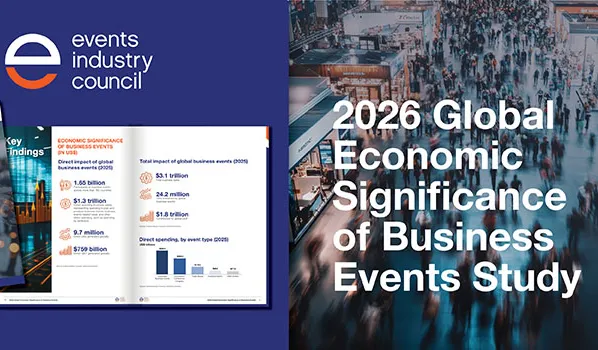
New EIC study finds business events contribute US$1.8 trillion to global GDP
Analysis

Washington DC bucks trend of US tourism decline with record visitor spending
North America

A look back at November’s IBTM and how event formats are “festivalising”
IBTMWorld

US airports face potential closures amid government shutdown
Business Travel

The countries with the highest business travel spend in the world
Business Travel
More like this