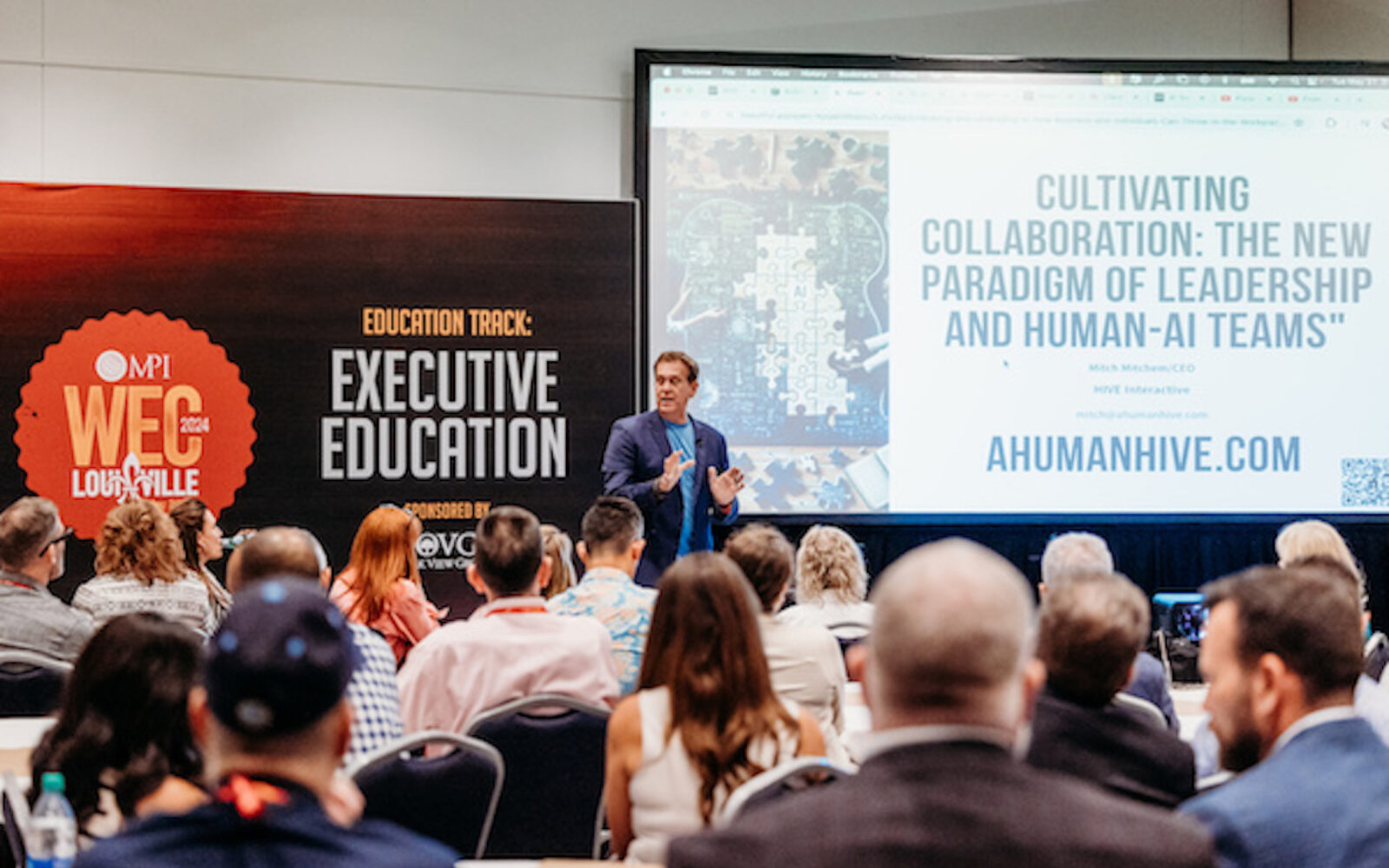
Meeting Professionals International (MPI) correspondent Paul Cook says gaining new skills and experiences, and understanding your own way of learning, are critical to becoming an outstanding meetings professional. MPI has personal and professional development in its DNA, and over the years, I’ve been lucky enough to have learned a lot from being a member. However, learning requirements are constantly changing. Learning is natural to us all, but top-performing athletes don’t stop when they leave school. For years athletes learn, adapt, and develop their sporting prowess. Along the way, each discovers and adapts how they learn best and today’s coaching methods are a long way from those used for the original Paris Olympics, in 1900. In the events industry, developments in learning techniques are essential for professionals and events to be successful. Eric Rozenburg, entrepreneur, author, and host of The Business of Meetings podcast, says: “While topics like negotiating with hotels, risk management, or designing a meeting are essential, what planners and business owners need is to learn how to manage their businesses better. Unfortunately, education tracks rarely focus on running our businesses better.” Application and relevance Mitch Mitchem, CEO of Hive Interactive, encourages the meeting industry to do better by refocusing on the deeper experiential components of learning. According to Mitchem, who led the C-Suite Summit at MPI’s World Education Congress (WEC) in Louisville, Kentucky in May: “We’ve gotten away from the experience part of learning, where attendees are applying practical, in-the-moment things in the room but doing so with vibrancy and energy. A human being will learn faster and better and retain more if there’s a component of immediate application, and if there’s a component of relevance.” Learning in a way that works for the individual is also vital. Tim Luepke, director of MPI Academy, says: “We must begin with the end in mind — not only the outcomes of events for our attendees but also leaning into the uniqueness of each individual so that together, we can rise higher and farther as an industry.” According to ADHD Aware, up to 15% of the global population are neurodiverse. And Forbes Health tells us that 1.5 billion people worldwide are affected by hearing loss. They require event planners to have a variety of learning techniques in their toolbox. Captioning in real-time, and online courses spring to mind as must-haves. The events industry is listening and responding to new learning requirements, but you need to understand how you learn best. With training courses and tools available to meeting professionals, the successful will be those that stand out because of their willingness to adapt, especially when it comes to new skills.
Trending
Cvent Accelerate returns to Sydney for fifth edition
1 week ago
China Ready® Workshop to return to WTM Africa 2027
1 week ago
Qatar Event Show signals sector momentum with bigger 2026 edition and new industry awards
1 week ago
Half of Australian travel managers can't prove ROI to their own bosses
1 week ago
CEMA’s largest Summit registers record-breaking attendance in Toronto
1 week ago
Events help deliver a record A$2.3bn boost for jobs and growth in Brisbane
4 days ago
Adelaide named in world's top three emerging business travel destinations
1 week ago
Advertisement

Essential Reads
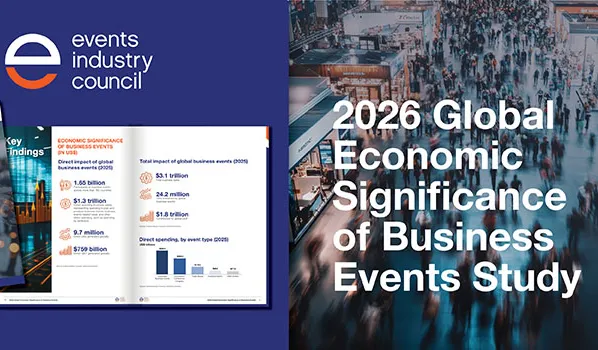
New EIC study finds business events contribute US$1.8 trillion to global GDP
Analysis
Washington DC bucks trend of US tourism decline with record visitor spending
North America

A look back at November’s IBTM and how event formats are “festivalising”
IBTMWorld

US airports face potential closures amid government shutdown
Business Travel
The countries with the highest business travel spend in the world
Business Travel
More like this