Personalisation has shifted from a nice-to-have to a baseline expectation at events, with research showing 79% of event leaders now prioritise personalisation in their programmes, an increase of four per cent year-on-year.[1]
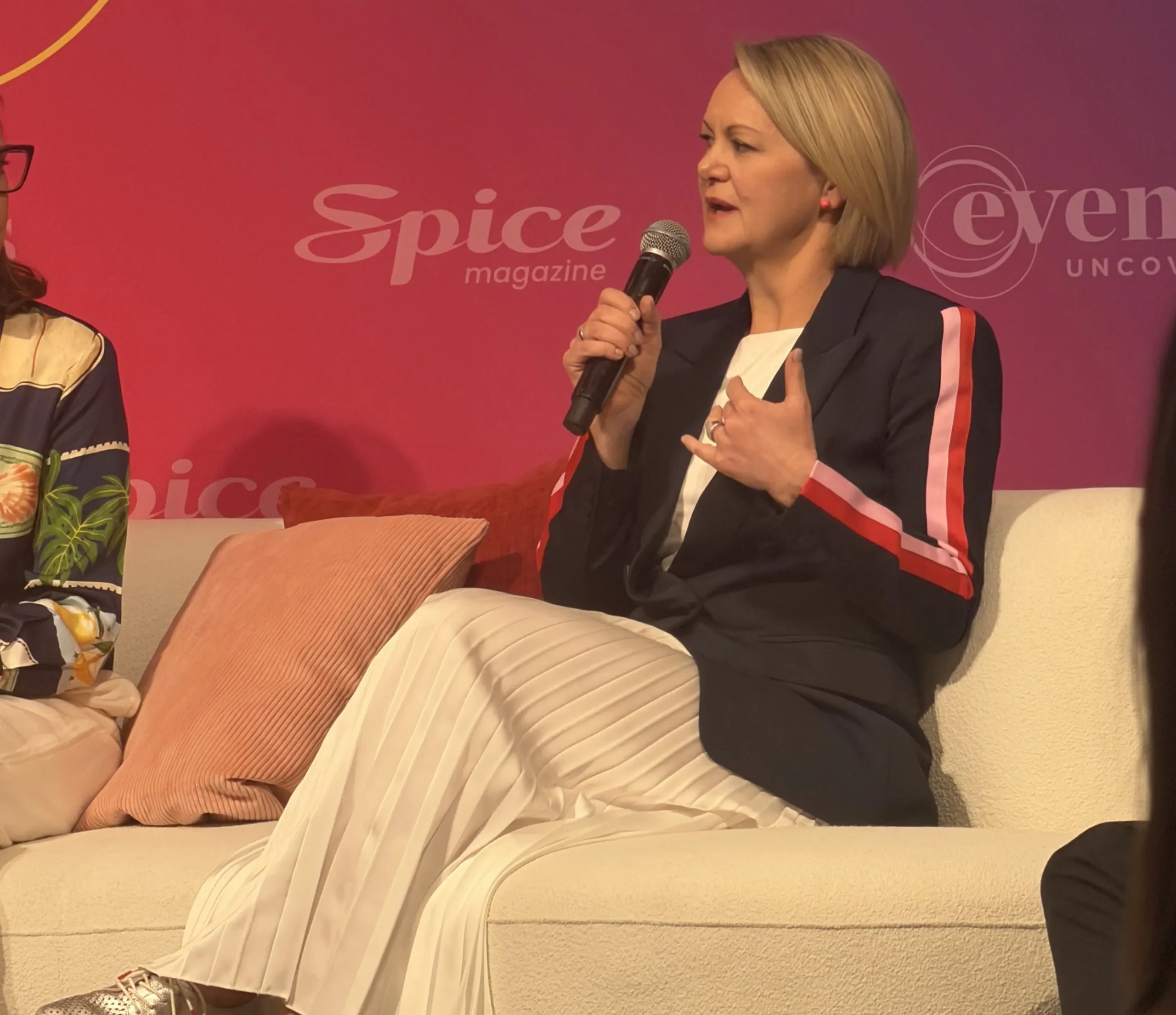
Speaking at a recent Spice Knowledge Sessions panel titled, Tailoring events: Transforming attendee data into elevated, personalised experiences, Katie Fraser, general manager operations and customer at FCM Meetings & Events, said the shift in personalisation exposes a more fundamental issue: most organisations still collect attendee data without a clear plan for how it will be used.
“Attendees don’t leave their everyday expectations at the door,” said Fraser. “They increasingly expect an event to recognise that not everyone in the room is there for the same reason, in the same way they expect the apps on their phone to already know what they need.”
Despite rising demand for personalisation, adoption remains limited in practice. More than half of event planners offer no more than basic personalisation, such as accounting for dietary and accessibility needs at registration, while only 16% personalise networking and 15% personalise session recommendations.[2]
“Most registration forms are still designed to get someone through a door, but it’s also important to understand why they walked through it,” Fraser added.
“If you’re only asking who’s coming, you’ll only ever be able to react to your event. Ask why, and you can start designing the event before the door even opens, not after it closes.”
This distinction also applies to how event success is measured. Fraser argued traditional post-event surveys capture only part of the picture.
“A five-out-of-five satisfaction score can hide someone who attended one session all day. A neutral score can hide someone who attended five. If we’re only measuring how people felt, we’re missing half the story of what they actually did.”
However, personalisation has its limits. Recent Qualtrics consumer research found that while 64% of consumers said they preferred tailored experiences, only 39% believe the benefits justify the privacy costs.[3] At the end of the day, transparency trumps personalisation tactics.
Fraser treats this as a design principle rather than a compliance issue. “Before you ask for a piece of data, ask yourself what decision it will actually inform. And before you use it, ask whether the person in front of you would reasonably expect you to know it. That’s the line between personal and unsettling.”
The same principle applies to event technology, which Fraser says should support the experience rather than define it.
“The best event technology is almost invisible. It removes friction, makes useful connections and then gets out of the way, because no one flies across the country to stare at an app. They come for the people and the room, not the screen.”
Fraser’s central argument is that personalisation and shared experience serve different purposes, and one does not replace the other.
“Personalisation makes someone feel seen. But it’s the shared experience, watching a room shift its thinking together, that gives an event its real power. That’s not something an algorithm can create. That’s still the job of the people in the room.”