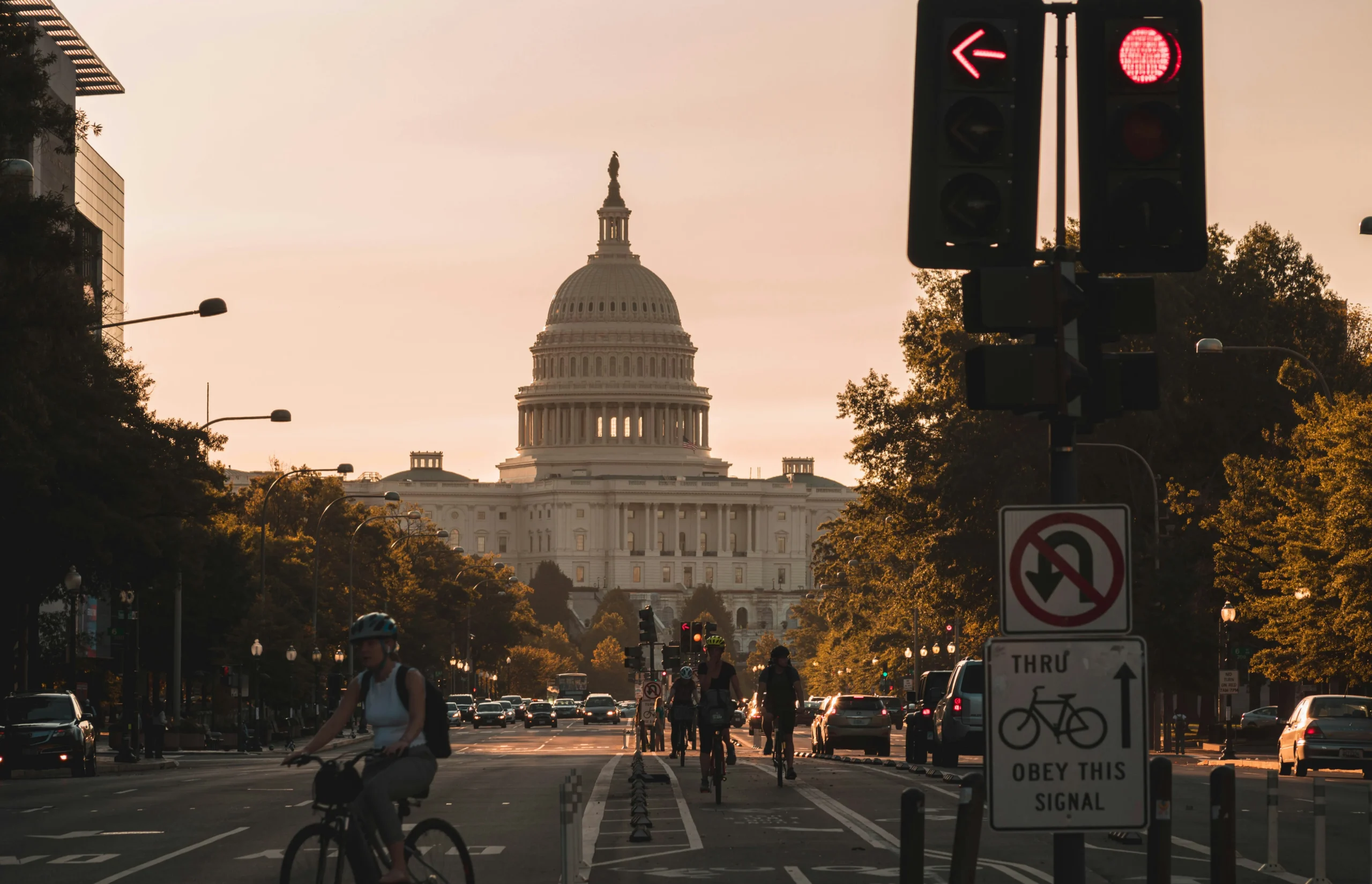
The American Society of Travel Advisors (ASTA) executive vice-president, advocacy Eben Peck has commented on the US House of Representatives overwhelmingly passing the Visit America Act (H.R. 6965) by a vote of 325-93 on 28 September: “Throughout the Covid-19 pandemic, government restrictions on and guidance against travel issued by an array of federal agencies highlight the scattered nature of federal oversight of the travel industry. Contending with various agencies and ever-changing rules while struggling to keep their businesses alive put unnecessary and avoidable hardships on travel advisors. Creating a high-level leadership position within the federal government focused on industry concerns, as the Visit America Act does, would protect the industry from unnecessary setbacks due to conflicting and confusing policy decisions. “Specifically, the legislation establishes an assistant secretary of travel and tourism within the US Department of Commerce to provide high-level leadership, accountable to Congress, to work effectively across federal agencies to develop and implement national strategies and policies that grow travel. Surprisingly, the US is the only G20 country without a federal agency or cabinet-level official in charge of tourism policy. The bill would also require Commerce to develop and implement a Covid–19 public health emergency recovery strategy to assist the U.S. travel and tourism industry to quickly recover from the pandemic. “In June, more than 200 travel advisors and suppliers representing ASTA took to the halls of Congress to advocate on behalf of this legislation and share their personal stories of how government restrictions affected their businesses throughout the pandemic. Their hard work paid off, as the legislation tripled its co-sponsors in the week following ASTA’s Legislative Day. “ASTA sincerely thanks Representatives Dina Titus (pictured) and Case, Senators Sullivan and Wicker, and the House and Senate Commerce committees for their hard work in advancing this commonsense legislation. We further appreciate the support of the full House of Representatives and urge the Senate to follow their lead and send this legislation to President Biden.” Meanwhile, affluent Americans intend to travel more internationally and spend more abroad over the coming year, according to new MMGY global research. MMGY Travel Intelligence has released the findings of its Portrait of American International Travelers™ study, presented in collaboration with the United States Tour Operators Association (USTOA). Examining data from more than 2,000 respondents, the national survey found that the average outbound traveller anticipates spending a total of $15,364 on international trips in the coming year – a 16% increase when compared to pre-pandemic spending predictions. “It’s clear that there is a willingness and growing appetite to travel internationally, but the important thing for marketers to note is that the American traveller looks and acts quite differently than they did before Covid-19,” said MMGY Travel Intelligence Europe managing director, Cees Bosselaar. Key findings from the third annual study include:
- Although overall interest in foreign travel is up, the number of destinations US travellers want to visit is down compared to pre-pandemic, suggesting that travellers have become more selective in their purchase decisions. Europe, the South Pacific, the Caribbean and Canada were the top four destinations cited by US travellers as places they want to visit.
- Indicating a shift in travel patterns, the study also noted an overall increase in interest in visiting less-crowded destinations and those that offer an abundance of outdoor activities.
- Examining generational differences, the study found that American Millennials plan to go on more international trips than Boomers (5.7 vs. 1.5 in the next 12 months) though Boomers anticipate spending twice as much on each trip ($7,725 vs. $3,564).
- Travel disruptions such as flight cancellations or delays reign supreme as the top concern for Americans travelling internationally. Concerns surrounding travel disruptions were shared equally across all generations, whereas other concerns such as inflation and Covid-19 appear to have more of an impact on younger travellers. Personal safety, as it relates to violence and unrest, and sustainability practices round out the top areas of concern for travellers.
For more information about the study or to purchase a copy, visit mmgyintel.com or contact cbosselaar@mmgyintel.com. The 2022 Portrait of American International Travelers™ is the third annual national survey of American international travellers and examined the travel behaviours, spending habits, preferences and motivators of 2,024 respondents surveyed in July 2022. In order to qualify for the survey, respondents had to have an annual household income of $100,000 or more and were chosen at random.