Helsinki Convention Bureau launched its new Helsinki Legacy Toolkit at IBTM World in Barcelona, 18 November. The toolkit is designed to help event planners create meaningful events that leave lasting social, economic and environmental value.
With Finland topping the World Happiness Report (published by the Wellbeing Research Centre at the University of Oxford, Gallup, the UN Sustainable Development Solutions Network) for the ninth year in a row, its capital Helsinki is encouraging event planners to consider how their events can actively contribute to wellbeing and create a positive impact on the host destination and its communities.
A survey commissioned by BestCities Global Alliance and ICCA as part of the 2026 Incredible Impacts research found that 67% of associations would consider a destination they might otherwise overlook if it offered a compelling legacy opportunity.
Helsinki Legacy Toolkit: Turning ideas into lasting impact
The new Helsinki Legacy Toolkit now can help planners identify local strengths and opportunities and translate them into positive, place-based benefits. Helsinki was ranked 20th among the world’s most popular meeting cities in 2025, according to the Union of International Associations, and first in the Global Destination Sustainability Index three years running.
Helsinki also sees an opportunity for international events to use the compact city of 700,000 as a testbed for legacy initiatives, piloting ideas locally with the potential to scale them to European or global level.
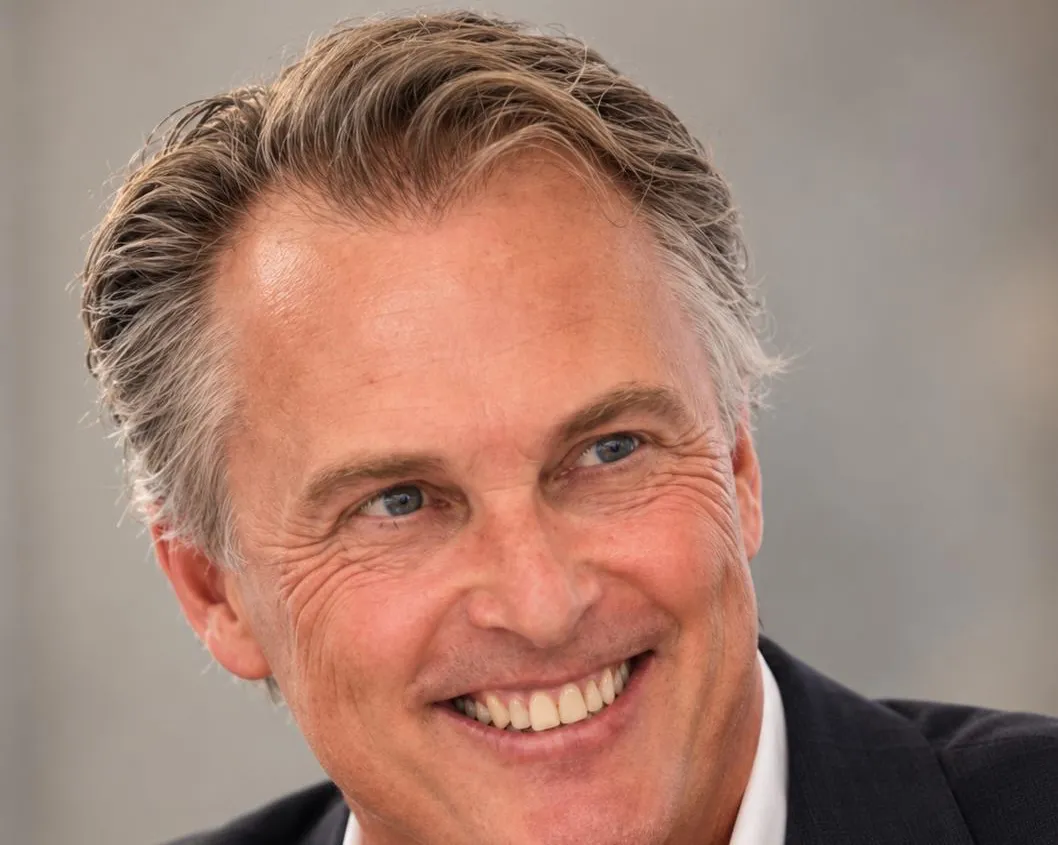
Head of Helsinki Convention Bureau (Helsinki Partners), Karoliina Ala-Opas, said: “In Helsinki, wellbeing and happiness are built through small, everyday moments. We want the events we host to contribute to that happiness story. Legacy is not only about creating lasting benefits for the destination, but also about making events more meaningful, rewarding and memorable for those who attend.
“With the Legacy Toolkit, we want to help organisers recognise that potential, turn their ideas into action and demonstrate the lasting relevance of their events.”
This toolkit was developed as part of the KOKEMO project, a regional collaboration between Espoo, Helsinki, and Vantaa.