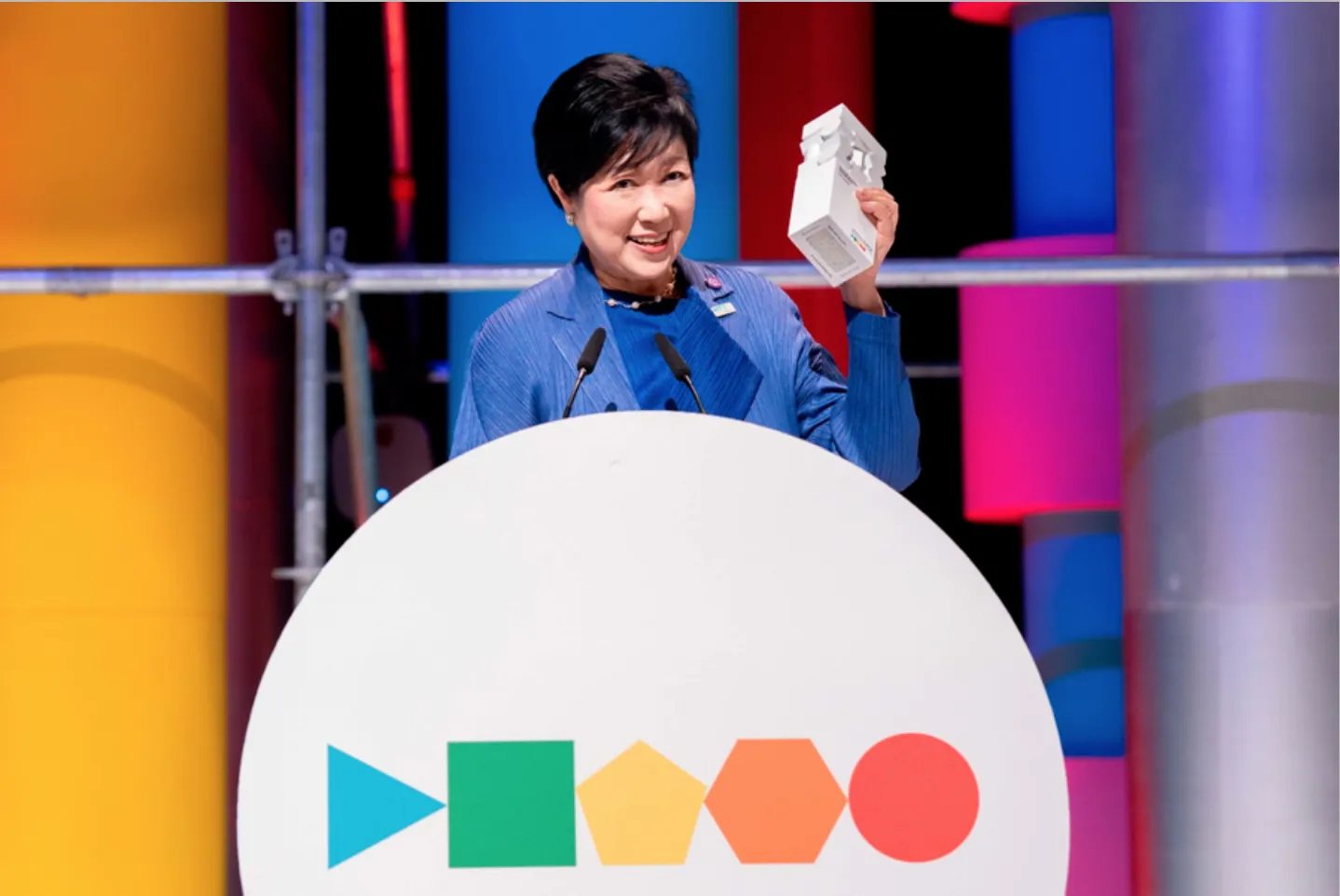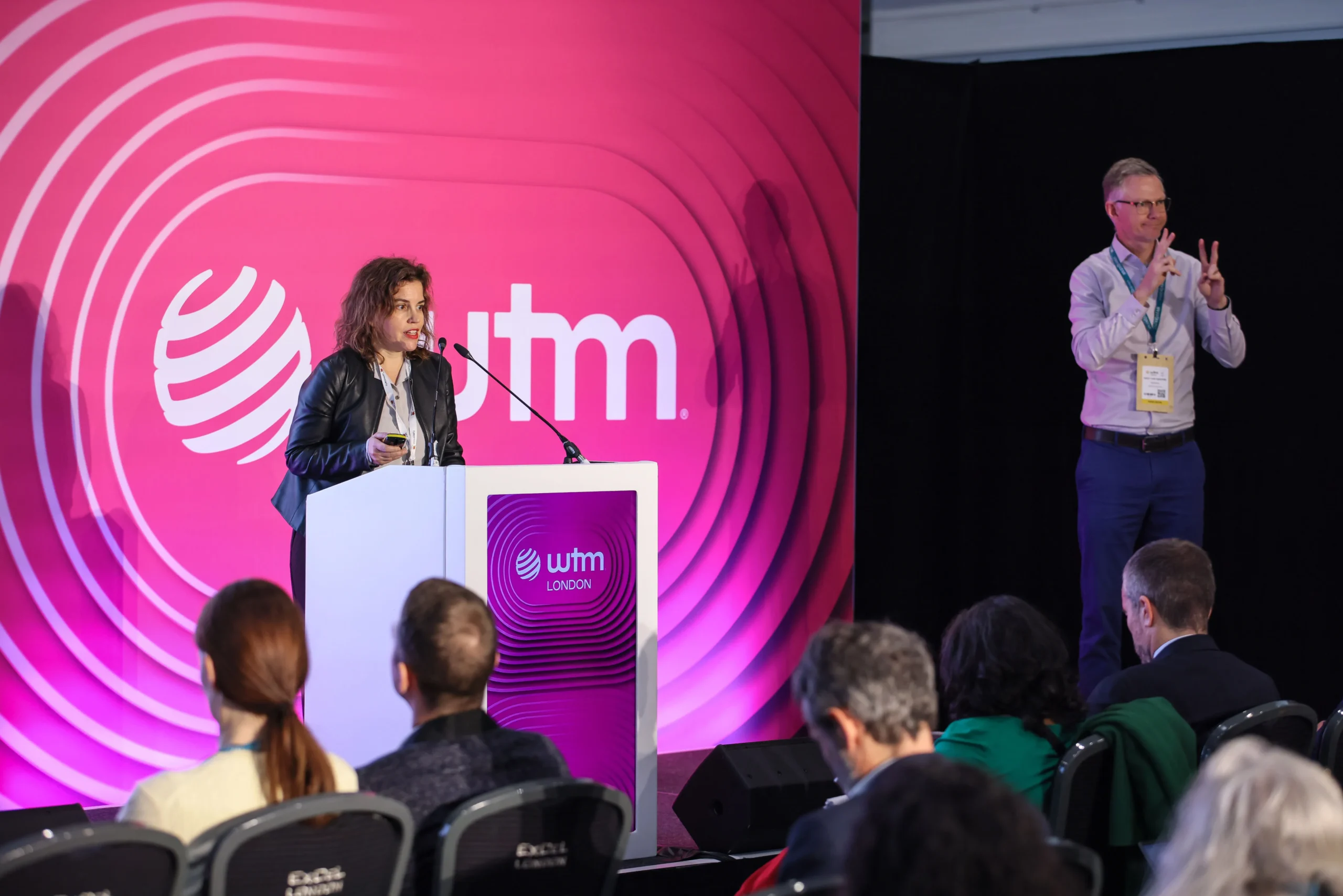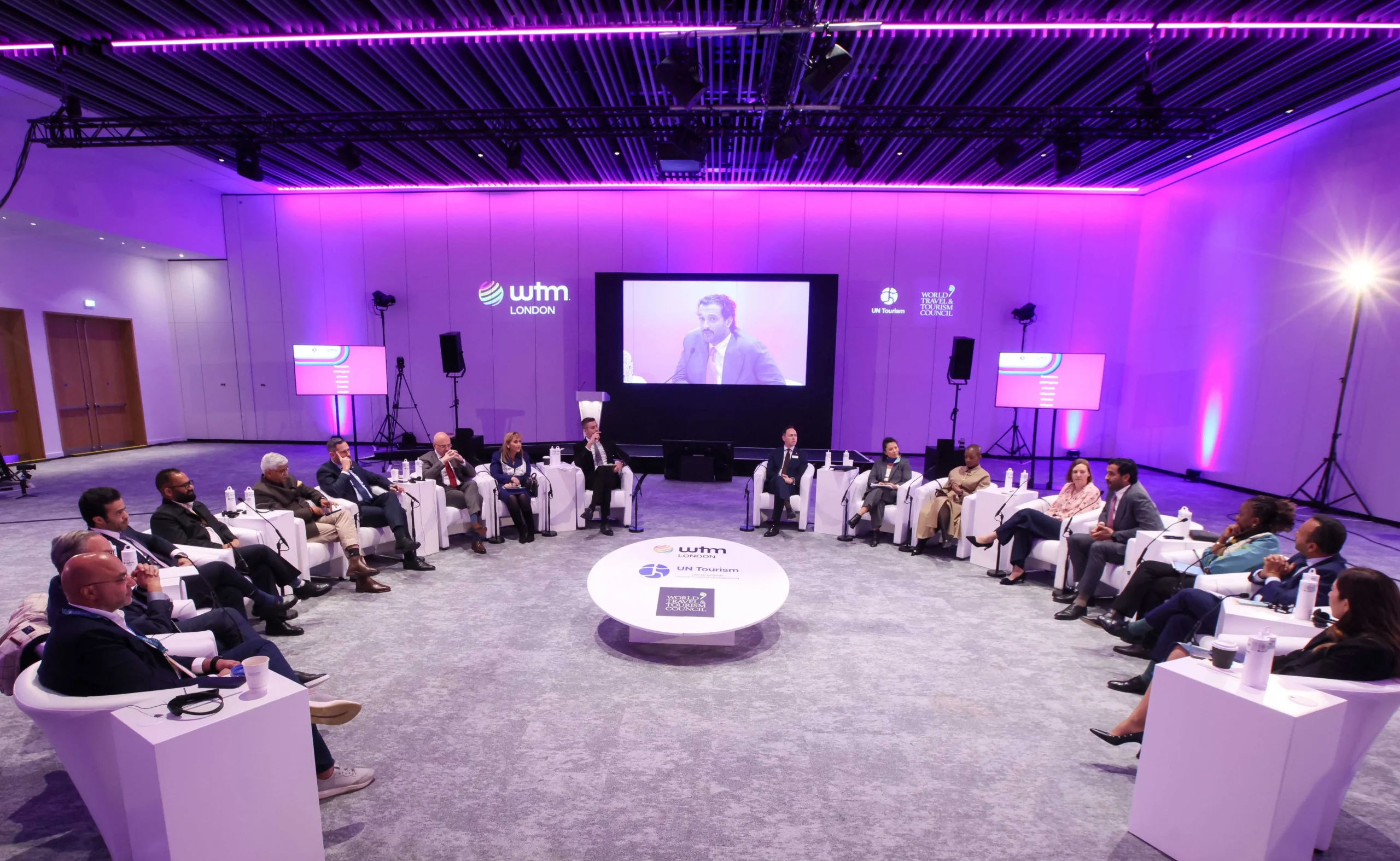
Strengthening Tourism for a Resilient and Regenerative Future was the theme of the 20th anniversary WTM Ministers’ Summit, held on day two World Travel Market, London 2026, organised by RX Global.
The summit, held in association with UN Tourism and the World Travel & Tourism Council (WTTC) is one of the largest annual gatherings of tourism ministers, with 50 present for this year.
War, climate change and the dissemination of wealth from tourism were addressed under the headline theme.
Speaking on the fallout from this year’s Iran conflict, the UAE minister praised his destination’s private sector for holding its nerve and maintaining moderate prices. “If you go down more than cost price, it takes about three or four years to build that back up,” he remarked.
Tourism companies had instead been helped by the government with incentives such as fee postponements.
Qatar, meanwhile, saw its airline load factors back to February levels by August. “If it happened again, we wouldn’t go back to airspace fully closed,” the minister commented. The WTTC has forecast a swift recovery for the Middle East region’s tourism.
African countries acknowledged the environment was their most immediate challenge to require resilience strategies.
The question of how tourism could be more fairly dispersed to both combat overtourism and spread financial benefits was also under panel discussion.
Croatia said it had identified health tourism among its new focuses. Its minister pointed out 70% of tourism grants which the government was awarding were for projects in the less-visited inland regions, while those for coast-based projects were mostly helping raise standards in existing businesses.
The economics debate moved on to return on investment. The UAE minister pointed out: “It’s not the airlines that come in and how many tourists we receive, it’s about the value the tourist leaves in your city.”
Bulgaria is putting emphasis on tourism research by teaming it with education. Its minister said the country wanted to be “a world leader” in universities that study tourism. The destination is identifying 200 universities to be involved in a major new programme, the second stage of which will be to establish an ‘observatory’ to start charting tourism KPIs. “We cannot manage any more with only a feeling” the minister stressed.
India’s minister called tourism a “self-resilient sector” and acknowledged this was due to the resilience of the various stakeholders.
Gloria Guevara, interim CEO at the WTTC, which co-hosted the summit, reminded the gathering that that one in nine jobs globally depend on tourism, adding: “We need the public sector, we need the policies, we need the right support and to work as one voice with the private sector.”
Khanh Linh Vu, principal advisor to the secretary-general of another co-host, UN Tourism, highlighted the need for cross-border collaboration, saying: “No one can build a resilient tourism sector alone.”