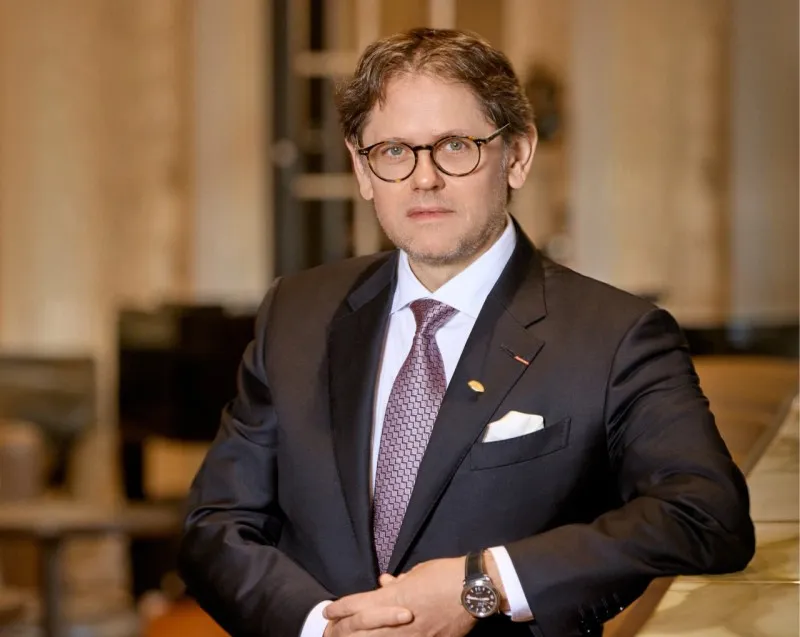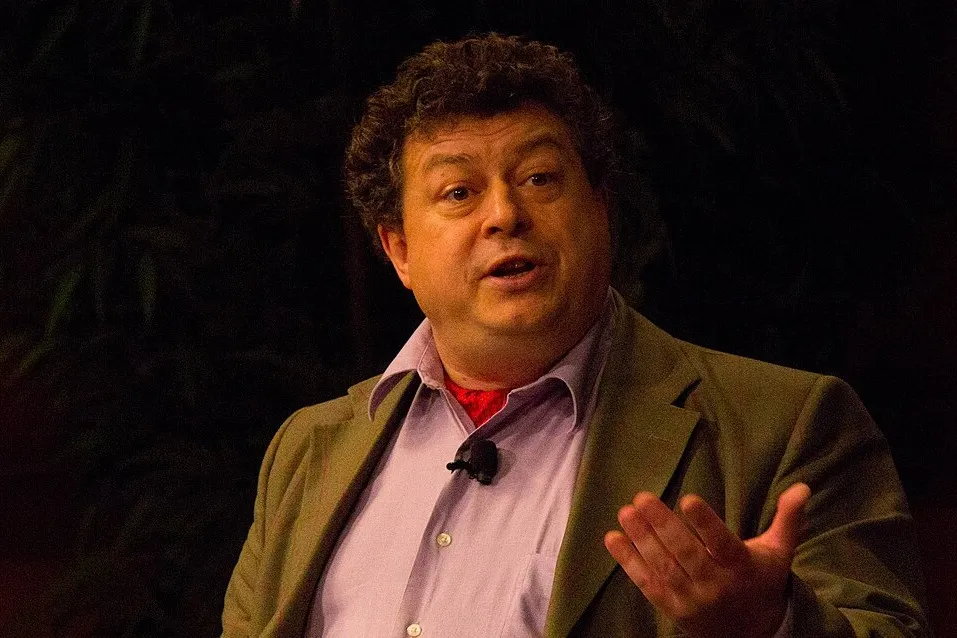
Rory Sutherland, vice-chairman of Ogilvy, spoke at Cvent Connect Europe on 21 October at the O2 Intercontinental hotel. His session was titled “Why people don’t buy what you think they’re buying: the hidden value of experience.”
Beyond the numbers
Business value isn’t just about money, Sutherland said. Finance teams tend to focus on what they can measure. That means things like brand trust, culture and long-term value can get overlooked, simply because they’re harder to put a number on. Chasing quick returns can actually damage things that take time to pay off, like customer service and experiential marketing.
Events give people what Sutherland called “surface area exposure” to opportunities. Networking, new ideas and chance connections can’t be planned, but they drive growth all the same. Sutherland’s takeaway here was simple: stop measuring these functions against this quarter’s numbers, and start judging them on the value they build over time.
The case for uncertainty
Sutherland compared this to the “explore-exploit” balance found in nature, where organisms have to weigh sticking with what works against trying something new and uncertain. If a business demands certainty before it invests, he warned, it kills off the experimentation and luck needed to find new value.
He argued that businesses should think about what customers actually want before worrying about the numbers. That’s what leads to real creative differentiation, rather than safe, forgettable ideas that tick a financial box. The order matters, in his view: work out what people actually want first, then build the financial case around it, rather than the other way round.
Why AI raises the stakes for face-to-face
Turning up to an event in person is a “costly signal,” Sutherland said. It proves you’re genuinely interested, in a way that a click or a form submission never quite can. Automation can water that down. He pointed to recruitment, where it’s now so easy to apply for a job that people do it without really meaning it, flooding the process with low-intent applications.
Face-to-face contact still builds trust and solves problems better than a screen can, he said a point that should land well with event and meeting planners asking how much of their job AI should take over. For Sutherland, the fix isn’t to resist automation altogether, but to be deliberate about where a bit of friction is still worth keeping.
In an age where events matter more, not less, as AI removes the friction that used to weed out people who weren’t really committed. The more automated everyday business becomes, he argued, the more valuable a genuine, effortful gesture like turning up in person gets.