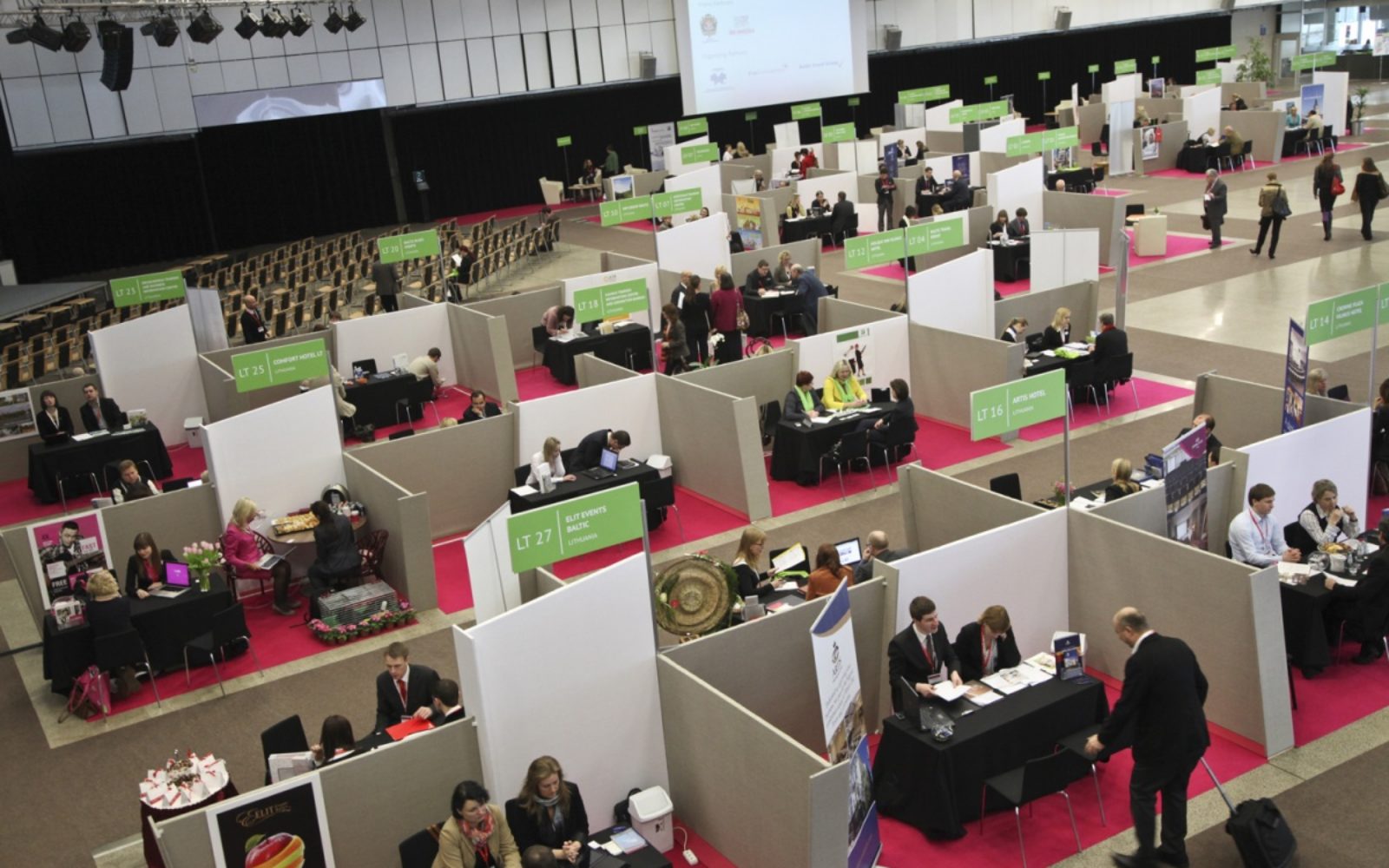
A major meeting of NATO top brass and continued rumblings from the East provided a tense backdrop to the third edition of the Convene tradeshow in February in Vilnius. The specialist industry trade show for the Baltic area, produced by the Vilnius Convention Bureau, attracted 164 buyers from 29 countries and saw a record 3,500 pre-scheduled appointments made. The upturn in exhibitors in general did more than make up for the reduced Russian and Ukrainian contingent. Buyers were joined at the show by 23 local VIP visitors. Advisor to the show’s organisers, Paul Kennedy, MBE, said: “I have never seen diaries so full and not a single hosted buyer travelled without undertaking the scheduling of all their required number of appointments – truly a first in my long experience with many exhibitors able to boast virtually full appointment diaries.” Jolanta Beniuliene, director of Vilnius Convention Bureau, noted 36 of the hosted buyer community participated in the local fam trip programme. “We are delighted with the demand from buyers for places, for appointments, and for new general interest in the Baltic Sea region,” Beniuliene added. The professional education programme grew this year to 21 sessions across three days, alongside the main show exhibition at the Lithuanian Exhibition and Congress Centre LITEXPO. Effective sales and marketing strategies and tactics were a dominant theme, with industry overviews being provided by Rob Davidson from the UK, while Marcel Vissers from Belgium spoke on the European association sector. Sarah Fleming from the UK delivered practical advice on how to win international association business and Ireland’s Patrick Delaney delivered an extremely active keynote on using networking techniques to boost business success. Linda Pereira from Portugal again addressed the topic of site inspections in true barnstorming fashion, while Estonian teambuilding and local destination expert agency Blue Drum’s creative managing partner Olavi Andla from Estonia gave insights into dealing with incoming incentive and teambuilding tourists. He offered case studies based on concrete experiences across the Baltic states of Latvia, Lithuania and Estonia, and showed how to get the most out of trips. He stressed the importance of an exact brief. Not everything is dirt cheap, he warned, and advised that international organisers must be prepared to spend money to get good ROI effect and quality product in the Baltics. The stag and hen market, he added, was doing some countries’ reputation damage due to the behaviour of some guests. A session on meeting design was delivered by Julien Carlier from France and practical sales and marketing workshops were delivered by experts. Head of business tourism for Visit Denmark, Steen Møller, told CMW: “Both VisitDenmark and our partners like the Convene event. [It has] probably the best organised speed-dating setup we have been to. For next year we will probably bring more exhibitors and I will bring an additional colleague. One suggested improvement would be that I have a better influence on the clients I talk to.” Møller said the differences within the Baltic Sea region were very big and that made it difficult to find synergies between all countries within the MICE segments. “Last year we did not exhibit as we were focusing on only a few target markets. This year we knew that they would be strongly represented in the hosted buyer groups.” Beniuliene said that although this year’s Convene was bigger in numbers both of hosted buyers and exhibitors, the event was not about size. “It rather focuses on creating a memorable experience for the hosted buyer community and the supply chain from the region. We will continue to focus on quality as I strongly believe that it is a formula of success,” she said. “Convene is a great challenge and a big responsibility for us. You won’t find any convention bureau developing such a kind of project and not for profit. Being non-commercial allow us to keep quality, be more flexible and creative. Developing the regional concept, we put the entire Baltic Sea area on the map of the meetings industry. My heart beats for Vilnius and I’ll do my best to position Vilnius as a leader of the region.” Beniuliene and her team more than met the challenge and guests got to see first-hand how some of Vilnius’s heritage buildings could be used for gala events. Arturas Zuokas, Mayor of Vilnius, provided some strong political backing for the whole project. He said that in three years Convene had become an event of strategic importance for the whole of Lithuania. Seeking to become an intellectual capital, Vilnius, he said, set even more focus on meetings and events and was becoming a popular place for IT, telecommunications, and gaming start-ups. With 12 universities and 10 research institutes, Vilnius is hoping to be increasingly recognised as the important hub for knowledge exchange. “Great synergy of the meetings industry and knowledge economy stimulates new infrastructure developments which should be carried out if Vilnius wants to fully benefit from the economic advantages which come from being known as an effective and great value for money destination for meetings and events,” the Mayor said. Air connections are improving and a new congress centre in central Vilnius, to be completed by 2017, is eagerly awaited. Improvements in the international standard hotel stock continue, with two Hilton hotels among newcomers in the next few years. Olavi Andla praised Convene as a well organised event. “It’s the only one focused on the Baltic incentive market. Unfortunately there are some hosted buyers whom we call ‘pie eaters’ or ‘tourists’. They gather in this event in order to have only fun and drink free of charge. They are not so interested in business or finding partners. The screening must be more serious. “There should be fewer foreign consultants and theorists speaking on the stage. More local and regional businessmen might speak at educational sessions or workshops. Foreign consultants still don’t understand that Baltic agencies are grown up already. They don’t need to be taught the ABC anymore as it was 20 years ago. Let’s make business and call a spade a spade.” Andla believes the Lithuanian capital can position itself as “a bridge between Nordic-Baltic and Slavic markets” and lists the attraction of the Baltic market for meetings business. “Here, it is easy to organise, everything is within walking distance. We are also hi-tech countries, safe (no terrorists), with a good price/quality ratio. Baltic nations keep their promises and it’s easy to do business with them. The problems are weather, direct flights and image. “It makes me really angry when foreigners still consider the Baltic States as old and grey Soviet republics. We are more advanced than some old-fashioned Western European countries. People are thinking out of box here but we are too small and weak to change the old image.”
Trending
Beyond attendance: How conferences can grow membership, strengthen communities and create lasting impact
1 week ago
IMEX America achieves top neurodivergent inclusive event design endorsement
4 days ago
Nearly 9 in 10 destinations improve as Helsinki leads 2026 GDS-Index
1 week ago
PCMA members approve 2027 Board of Directors and Trustees slate
1 week ago
Cairns doctor launches skin cancer conference, with a day on the Great Barrier Reef
3 days ago
Antwerp welcomes OpenLivingLab Days 2026
1 week ago
Major NZ healthcare conference chooses Hamilton for next phase of growth
1 week ago
Advertisement
Essential Reads
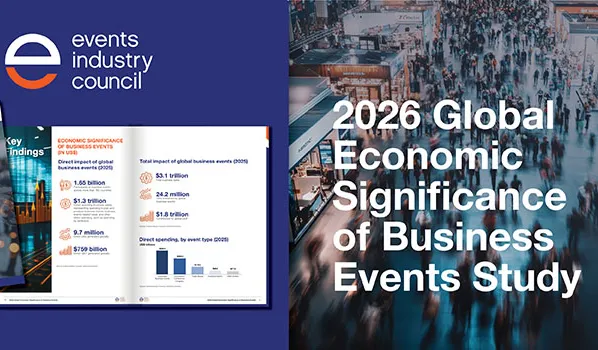
New EIC study finds business events contribute US$1.8 trillion to global GDP
Analysis
Washington DC bucks trend of US tourism decline with record visitor spending
North America

A look back at November’s IBTM and how event formats are “festivalising”
IBTMWorld

US airports face potential closures amid government shutdown
Business Travel
The countries with the highest business travel spend in the world
Business Travel