Strong attendance is no longer enough. Annual conferences have long been central to successful associations, giving members the chance to connect, learn and share ideas. But as associations compete for attention, their events are expected to do more: grow membership, engage future leaders, attract sponsors and create lasting impact.
The most successful conferences are now measured not only by delegate numbers, but by how well they strengthen communities, attract new participants and advance their sector.
The membership challenge
Across industries, associations face a common challenge: attracting and keeping the next generation of members.
For many students, emerging professionals and entrepreneurs, a conference is their first contact with an association. It is where they discover new ideas and build networks. It is also where they decide whether they want to become part of a wider community.
More and more, the organisations seeing the strongest growth are those that create pathways for participation, not just attendance.

Building communities, not just conferences
The International Diabetes Federation Western Pacific Region Congress (IDF-WPR) 2026 in Melbourne is a good example.
Alongside the scientific programme, organisers introduced a dedicated Diabetes Community Day. It opened the congress to people living with diabetes, carers, families, advocates and the wider community. The free programme combined education, lived experience, advocacy and innovation in an accessible setting.
Justine Cain, CEO of Diabetes Australia, said: “It’s about connection. It’s about listening. It’s about learning, and it’s about exploring ideas together.”
By opening the congress to more than traditional delegates, the programme turned conference knowledge into meaningful community outcomes. It also introduced new audiences to the association and its mission.
Creating new pathways for innovation
Conferences are increasingly becoming platforms for accelerating ideas, not just sharing them.
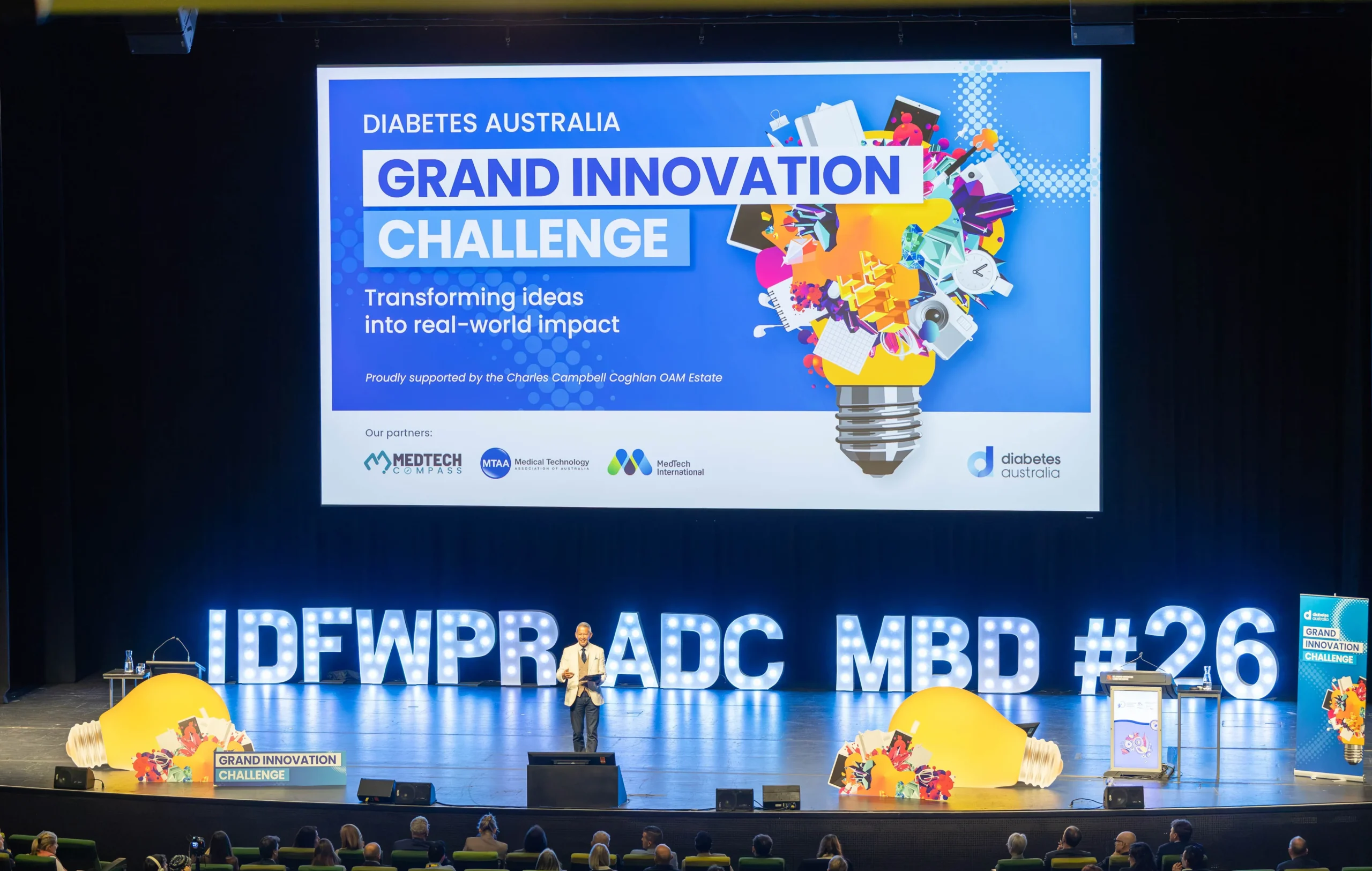
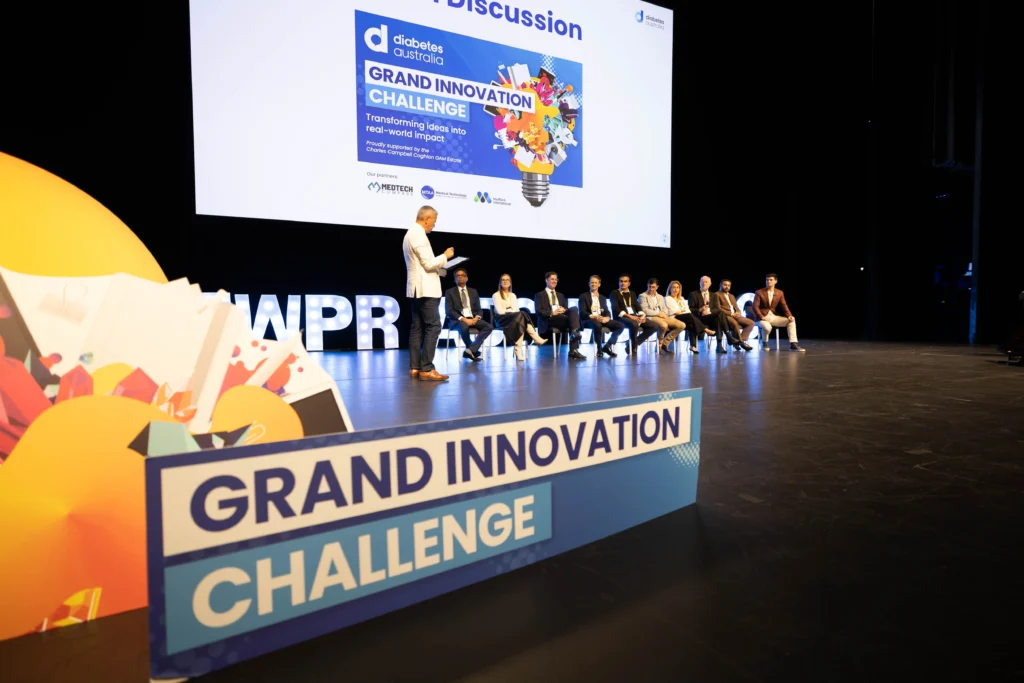
At IDF-WPR, the Diabetes Australia Grand Innovation Challenge brought together researchers, entrepreneurs and people with lived experience to advance new approaches to diabetes prevention, management and care. With up to $500,000 in implementation funding available, the initiative helped bridge the gap between research and real-world impact.
Amber Willink of Diabetes Australia said: “It’s really to patch a gap in the pipeline of innovation.”
She added: “We’re supporting these early innovators to ensure that their projects get forward.”
Kirsty Almin of Lumen MedTech said: “Events like this and funding like this really helps to bridge that gap so that technologies can actually progress through that pathway and actually make it into the hands of people and patients who really need them.”
Mo Dorani from the Heart Foundation said: “Getting everyone in one room, having a conversation about the same product… that’s the benefit.”
For conference organisers, initiatives like these attract new audiences and strengthen sponsorship value. They also position events as catalysts for change rather than simply forums for discussion.
By bringing together researchers, industry, government and end users, conferences can create value that lasts well beyond the event itself.
Why destination matters
Initiatives such as Community Day and the Grand Innovation Challenge are rarely delivered by an association alone. Increasingly, their outcomes depend on the strength of the destination ecosystem around the event.
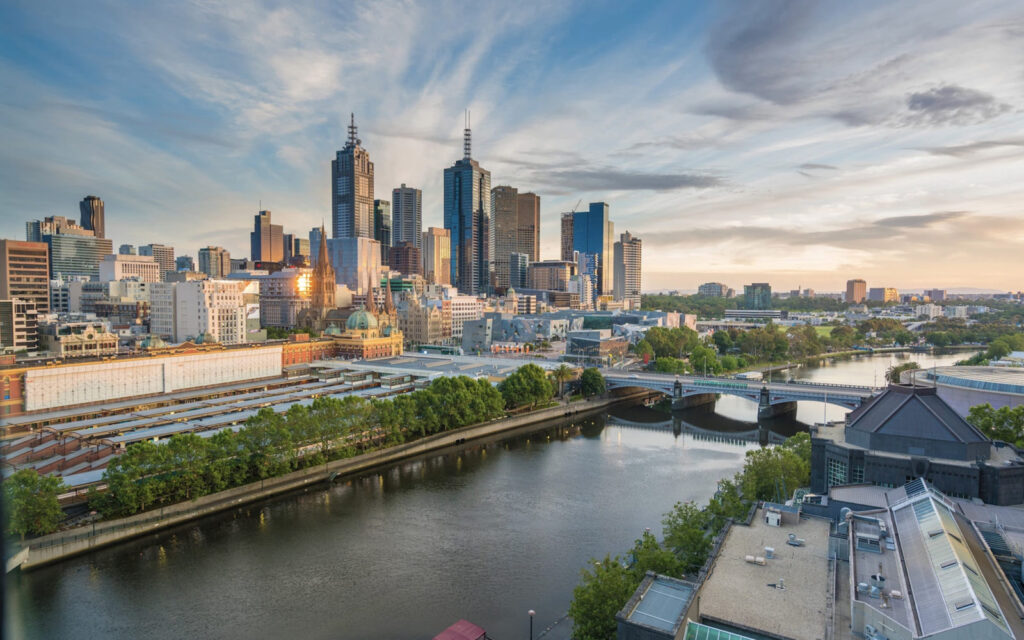
Melbourne’s globally recognised diabetes, medical research and health sectors created natural opportunities for researchers, clinicians, innovators, advocates and people with lived experience to work together. Through Melbourne Convention Bureau (MCB), organisers could also connect with local institutions, industry leaders and community stakeholders, who helped extend the congress beyond the traditional conference environment.
So for associations looking to grow membership, accelerate innovation and strengthen community engagement, choosing a destination is becoming a strategic decision rather than a logistical one.
The role of strategic destination partnerships
Convention bureaux are increasingly being asked not just to secure events, but to help associations meet their wider strategic goals.
MCB has seen this shift first-hand through recent international conference wins across the healthcare, technology, research and innovation sectors.
Cain said: “Working with the MCB has been fantastic. Nothing was too much trouble. It was easy to work from the very beginning, through the strategic planning right through to the day of the conference and all the way through.”
Events such as IDF-WPR 2026, RoboCup 2028, the Congress of the Asia Oceania Human Proteome Organisation (AOHUPO) 2027 and the Progress 2030 Summit show how conferences can go beyond traditional event delivery. They can foster collaboration, develop future talent, support innovation and strengthen communities.
Rather than simply promoting a destination, MCB works with organisers to connect conferences with local research institutions, industry leaders, government stakeholders, innovators and emerging professionals who can contribute to an event’s long-term success.
Legacy as a measure of success
Perhaps the biggest shift in the business events industry is the growing focus on legacy.
Organisers are moving towards longer-term measures of success: engaging new audiences, attracting future members, supporting innovation and industry collaboration, and leaving their sector stronger than they found it.
Melanie Gray Morris, CEO of the Australian Diabetes Educators Association, said: “You could see two, five years down the road major breakthroughs in diabetes that have come from conversations that have happened here today.”
Professor Grant Brinkworth of Diabetes Australia added: “It’s only through bringing those diverse views can we develop multi-sectoral, multidisciplinary ideas that are going to solve the greatest challenges.”
Looking ahead
As associations work to strengthen membership, improve commercial sustainability and engage future generations, the traditional conference model continues to change. Community engagement programmes, innovation challenges, student pathways and industry partnerships are all helping conferences widen their relevance and reach.
The organisations best placed for future success will be those that think beyond delegate numbers and focus instead on participation, connection and impact.
IDF-WPR offers a useful blueprint. Its initiatives ranged from engaging the wider community to building strong links between research and commercialisation. Together, they show how associations can make sure their event contributes to a thriving community long after the conference has ended.
Planning an international conference?
Melbourne Convention Bureau can help connect your event with local industry leaders, researchers, government and community partners to maximise impact beyond the conference. Find out more about hosting your conference in Melbourne.