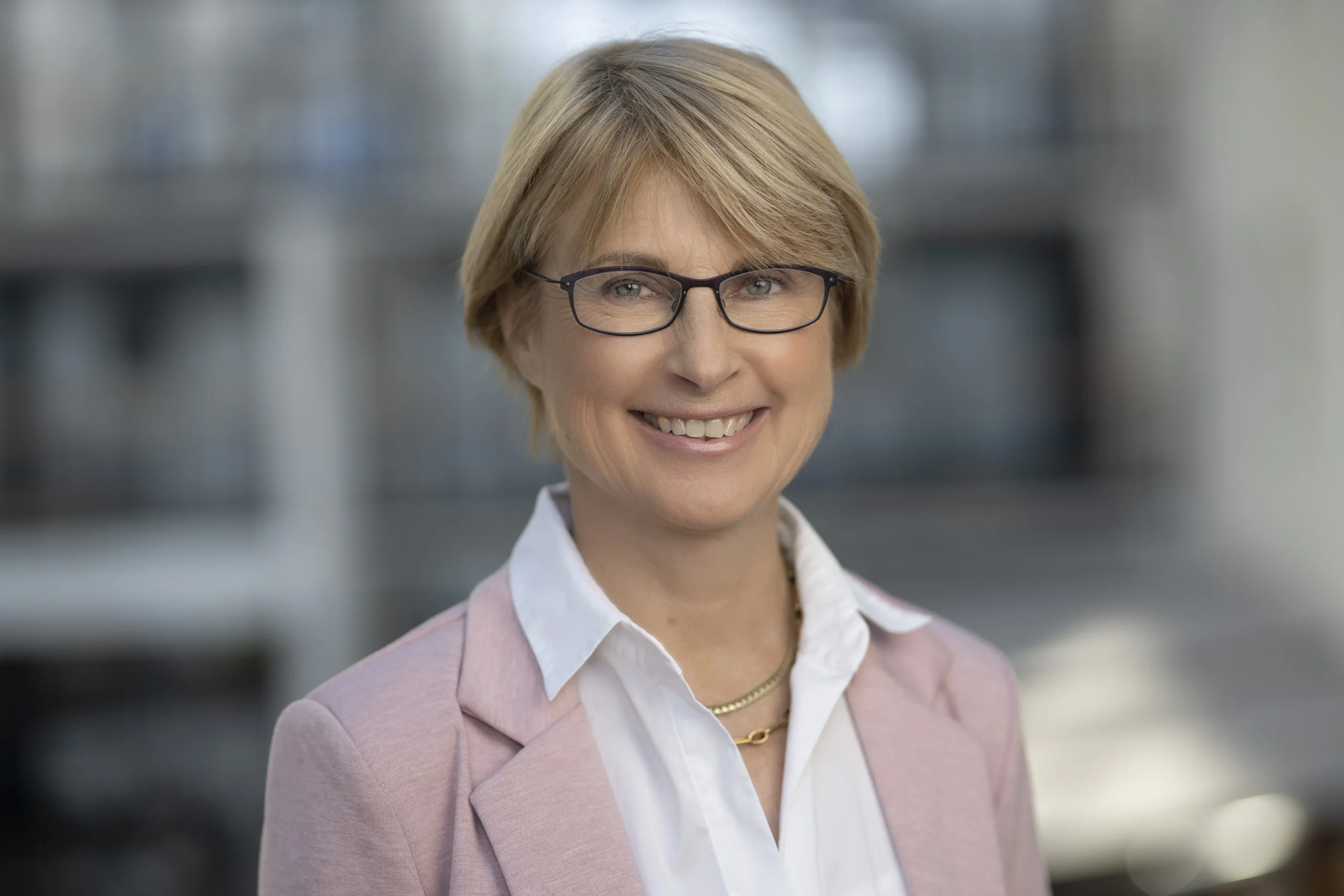
Brisbane is a city in a hurry – and in the best possible way. As Australia’s fastest-growing capital, it is undergoing a transformation that is as much about culture and connectivity as it is about cranes and construction. With the 2032 Olympics firmly on the horizon and a wave of new infrastructure, venues, and international air routes reshaping the destination, Brisbane is making a compelling case for itself on the global business events stage. I recently sat down with Lorelle Chittick, general manager of events at BEDA, to find out how the city is leveraging its subtropical charm, its compact walkability, and its Olympic momentum to attract conferences, incentive groups, and major events from around the world.
Iain Stirling – When I visited Brisbane and did the walking tour, I didn’t realise how walkable the city is and how easy it is to get around. Is that something you offer a lot of delegates when they come over?
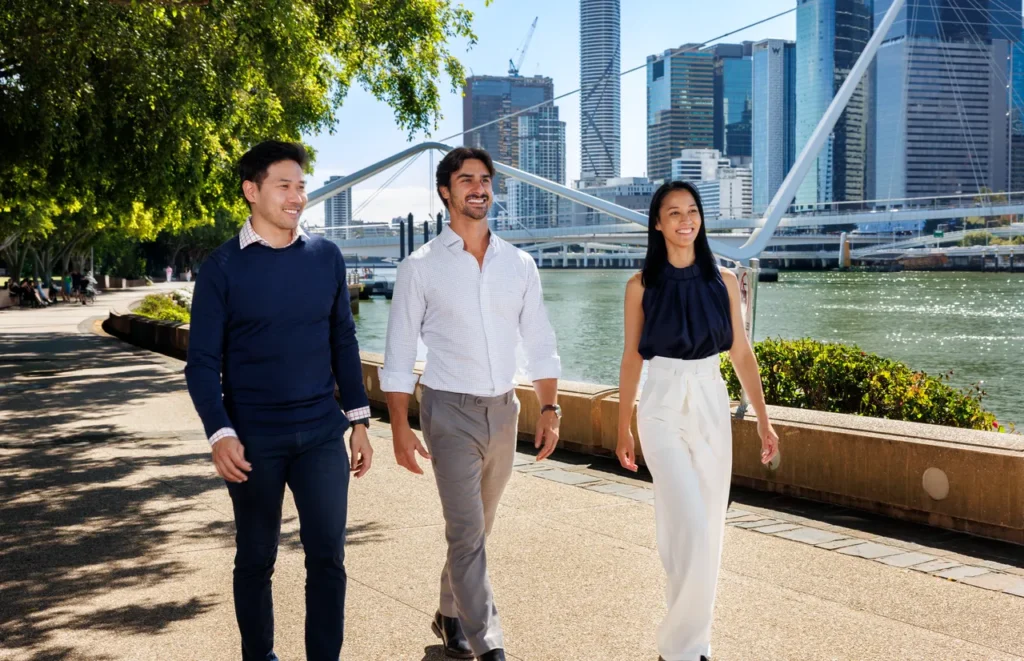
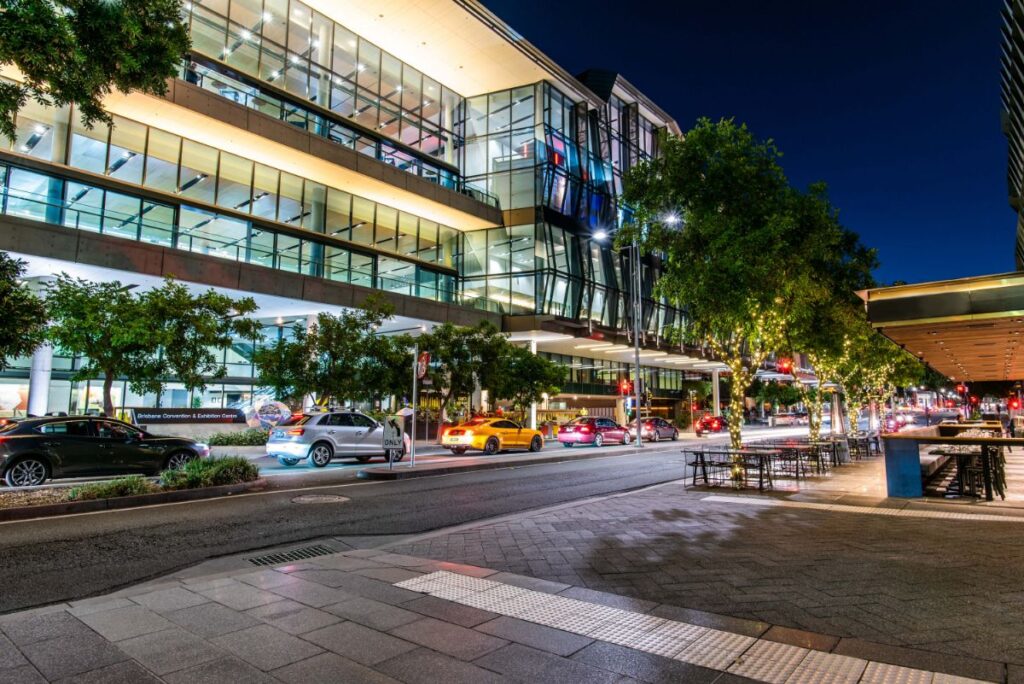
Lorelle Chittick – Yes, absolutely. I think the size of Brisbane – and the momentum we have – we’re Australia’s fastest-growing capital city, so you can feel that energy every time delegates or visitors come to the city. But one thing we really emphasise is that Brisbane is compact in its nature, which makes it brilliant for business events. You have the Brisbane Convention & Exhibition Centre (BCEC) right at South Bank, you’ve got venues and hotels, but the ease of accessibility is key. What we’re hearing more and more from delegates is that whilst they’ll be in the convention centre or a hotel for their business event or conference, they also want to be able to enjoy the outdoors and that subtropical climate. The walkability really helps conference organisers, as it alleviates transport pressures. We certainly have all the suppliers at the ready should we need to take people further afield, but delegates are increasingly leveraging our public transport as well – whether that’s our footbridges or our wider public transport network.
IS – And all public transport is 50 cents per trip now, isn’t it – including the Gold Coast?
LC – That’s right. It’s a huge commitment from our state government, and residents and visitors alike love it. The fact that you can jump on our CityCat and essentially enjoy a free city cruise – all for the price of 50 cents – is remarkable. Because of that walkability, people like to get up early, walk across the footbridges, get some exercise, and just enjoy the ease of getting to their conference. It’s really pleasant.
IS – You also have a lot of new venues and restaurants opening – and obviously the Queens Wharf development with The Star hotel, which opened recently. What does that mean for the city?
LC – It’s all about connectivity. The foresight of our governments and town planners has been remarkable – particularly in terms of how the footbridges seamlessly connect our precincts. Brisbane is made up of a number of distinct precincts around the city. So you could be experiencing the city in our Queen Street Mall – our pedestrian mall – shopping, going to restaurants and bars, and then find yourself in our cultural precinct just across the river, taking in a show. We’ve got our new Glasshouse Theatre, which has just opened right next to QPAC, our Queensland Performing Arts Centre. It almost doubles the footprint of our whole cultural and performing arts precinct and makes us now Australia’s largest performing arts precinct. The Glasshouse is spectacular – it’s shaped to mimic a curtain on a front stage. It’s a 1,500-seat theatre, so we’ll be able to attract more concerts and more events to that space.
IS – In terms of the Olympics – it’s only six years away now – are you seeing the city change in the lead-up to that?
LC – The transformation over the next few years is going to be quite something. Infrastructure that’s been in the works and planning for many years is now coming to fruition – from the Brisbane Metro bus rapid transit that came online last year, to the Cross River Rail linking key precincts from Woolloongabba Stadium through the city centre to the Herston hospital and research precinct. Alongside that hard infrastructure, new investment is flowing in: new hotels and brands, tourism experiences, and venues. Right behind us is a great example – the Glasshouse, a semi-permanent glass structure recently backed by two Brisbane-born investors. Entirely tailored to the events industry, it leans into Brisbane’s identity as an outdoor city, and similar opportunities are emerging across our green spaces. Investors and event industry professionals can see the optimism and opportunity Brisbane is generating – and we’re capitalising on it.
IS – I recall when we met a few months, Anthony Ryan mentioned some uncertainty around the main Olympic stadium site. Has that been resolved?
Lorelle Chittick
LC – Yes, there was a period of uncertainty, but a new team has been formed – the Games Infrastructure Investment Authority, or GIITA. It’s led by Simon Brooks, who previously headed up the Destination Consortium, which was behind The Star and the Queens Wharf precinct. He’s now leading the charge on that team, and there is certainty now around the venues. The main discussion was around the Olympic Stadium itself, and yes – the location in Victoria Park makes a great deal of sense. It’s a wonderful parkland setting that connects right next to our RNA Showgrounds, which will become the Athletes Village. You’ve got hotels around there, new infrastructure going in for the Athletes Village, and that’s also where our Royal National Show is held each year, so there’s already a large arena – which is getting an upgrade. The transport connections are excellent: you can walk from the CBD, and there are rail and bus links. And right within that same precinct is the National Aquatic Centre, which will house the swimming, diving, and all aquatic events.
IS – Turning back to the business events side – we had a press conference earlier with the BCEC where they launched their bio-innovation bursary. Are you involved in that?
LC – Through our relationship with the BCEC, we co-lead on a number of international conferences. The bursary was almost created to complement existing activities. We’re now in our seventh year of what is called the Lord Mayor’s Convention Trailblazer programme, which works with early- to mid-career researchers and academics. It’s a business development opportunity for us – we want to connect with those early- and mid-stage academics, understand their work, understand the challenges and opportunities within their key sector, and ultimately uncover what conferences might allow them to showcase their work on a global stage by securing a conference to bring back to Brisbane. We know their travel is often extensive and to all corners of the world – whether they’re speaking at different conferences or representing their industry. We want them to be proud of our city, to travel to other conferences, make connections, and we make that process as seamless as possible. The bureau does the heavy lifting – helping with bids, lobbying, all of that – but we really need their support in identifying the key conferences. Through the Trailblazer programme, we provide grant funding for them to travel, promote Brisbane, and then we work hand in hand to secure the conference for the city. The BCEC, meanwhile, is working with industry at a different level – more with mid-career industry thought leaders, helping translate research and findings for the benefit of industry. They complement each other nicely.
IS – And life sciences is your number-one economic sector – why is that?
LC – Brisbane is known for life sciences, and particularly the med tech sector, which is booming. Through our research, our key universities, and the private sector, the advancements in that space have great momentum for Brisbane. The city has a real climate for innovation – there’s a wonderful synergy between our universities, our bureau, and our investment attraction agency. We’re helping to bring in capital, and through our investment attraction team, we’re supporting some of that research and innovation. It’s a real hotbed of innovation, life sciences, and technological advancement, and it’s certainly one of our state government’s priority sectors. There’s been significant funding and investment over many decades, and we’re just now seeing the benefits.
IS – Are you seeing other economic sectors pushing the boundaries as well?
LC – Life sciences really does stretch across a number of different industries, but Brisbane is particularly strong in agriculture – which sits within the life sciences umbrella – as well as health, medical R&D, and med tech. Energy and mining remain very strong sectors for us too. Connectivity is another growth area.
IS – In terms of connectivity – I believe Brisbane Airport is also undergoing expansion?
LC – It is. Our domestic terminal has been under expansion for the last two years, looking at bringing on a new terminal to meet capacity demands. They’ve also just overhauled all of their security processes to make entry and access more seamless. They really want to pride themselves on being the most efficient airport. The levels within the terminal have been reconfigured for ease of access – it’s very contemporary now. What used to take much longer is now a matter of minutes from check-in to the other side. They’re putting real investment in. And then on the international terminal, they are almost at capacity – which is a testament to the fantastic job the airport has done coming out of the post-Covid period. Regaining the routes we had before Covid and then building on them was one of our key initiatives. We’ve got some of our big carriers – Singapore Airlines has supported us significantly, particularly as a carrier up into the UK and Europe. We have the four major North American carriers. Turkish Airlines is a fairly recent addition. And we have good China and Japan connectivity. We’ve also announced services from the Philippines, so the reach is quite significant. Next on the list is India – it’s a growing market for Brisbane and we really want that direct Delhi-to-Brisbane connectivity. It’s something we’ve been working on for a while, and there are positive signs in conversations with Air India. It’s more a question of aircraft availability at this stage, but we’re hopeful for next year.

IS – And how is the market looking for Brisbane in the year ahead – are there any significant events coming up?
LC – We came off a really strong year last year – particularly in international health and agriculture – and we’re heading into another strong year. We’ve got a number of big sporting conferences, which aligns with our strategy around our strengths in major events and the broader interest in Brisbane as an Olympic host city. We’re still very strong in health and medical, but what’s really filling our hotels are our major events. Later this week, something a little different for Suncorp Stadium – we’ve secured the Royal Edinburgh Military Tattoo, which is tremendously exciting. We still have our regular tennis events and rugby league. Then we have the Rugby World Cup in 2027, which is generating real interest – we’re already seeing incentive groups wanting to come in and around it. And of course, the Olympics keeps Brisbane firmly in people’s minds globally. We always say that with the Olympics, whilst we’re involved in the natural planning of it, we’re capitalising on that curiosity – if people haven’t been to Brisbane, they know it’s changing so rapidly. You can come one year for your conference and come back the next and there are always new venues and new experiences, because this is a destination that is constantly evolving.