Every city has its landmarks. Some have their skylines, others their culture or cuisine. But in the world of meetings and events, a single event can do something far more powerful – it can redefine a destination entirely. In this new series, we’ll be exploring the events that have put cities on the global stage. Not just the headline numbers or economic impact, but the deeper story: how one event can shape perception, attract investment, and turn a location into a go to destination.
Each instalment will focus on one event and one city, uncovering how the two have grown together and what the industry can learn from their success.
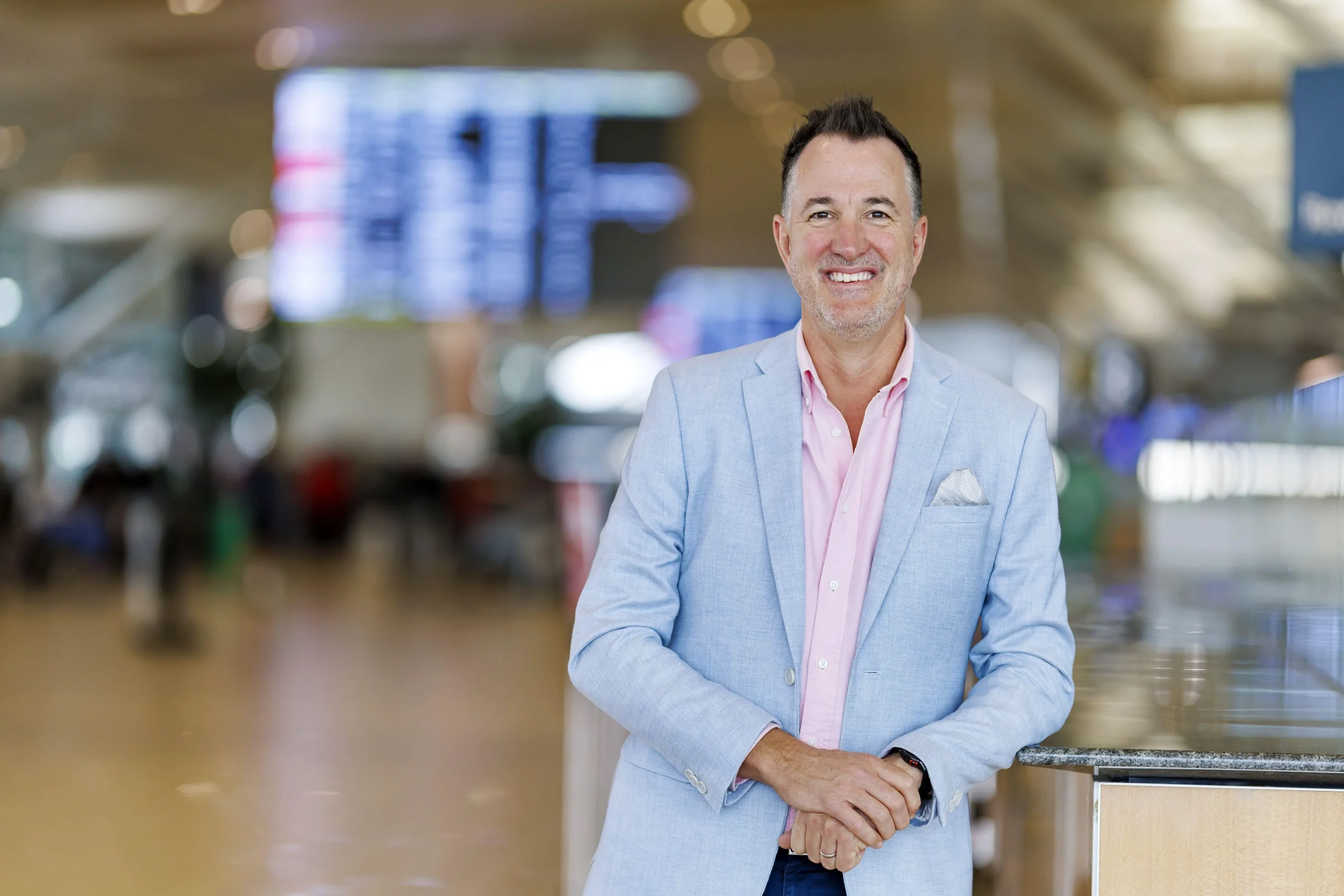
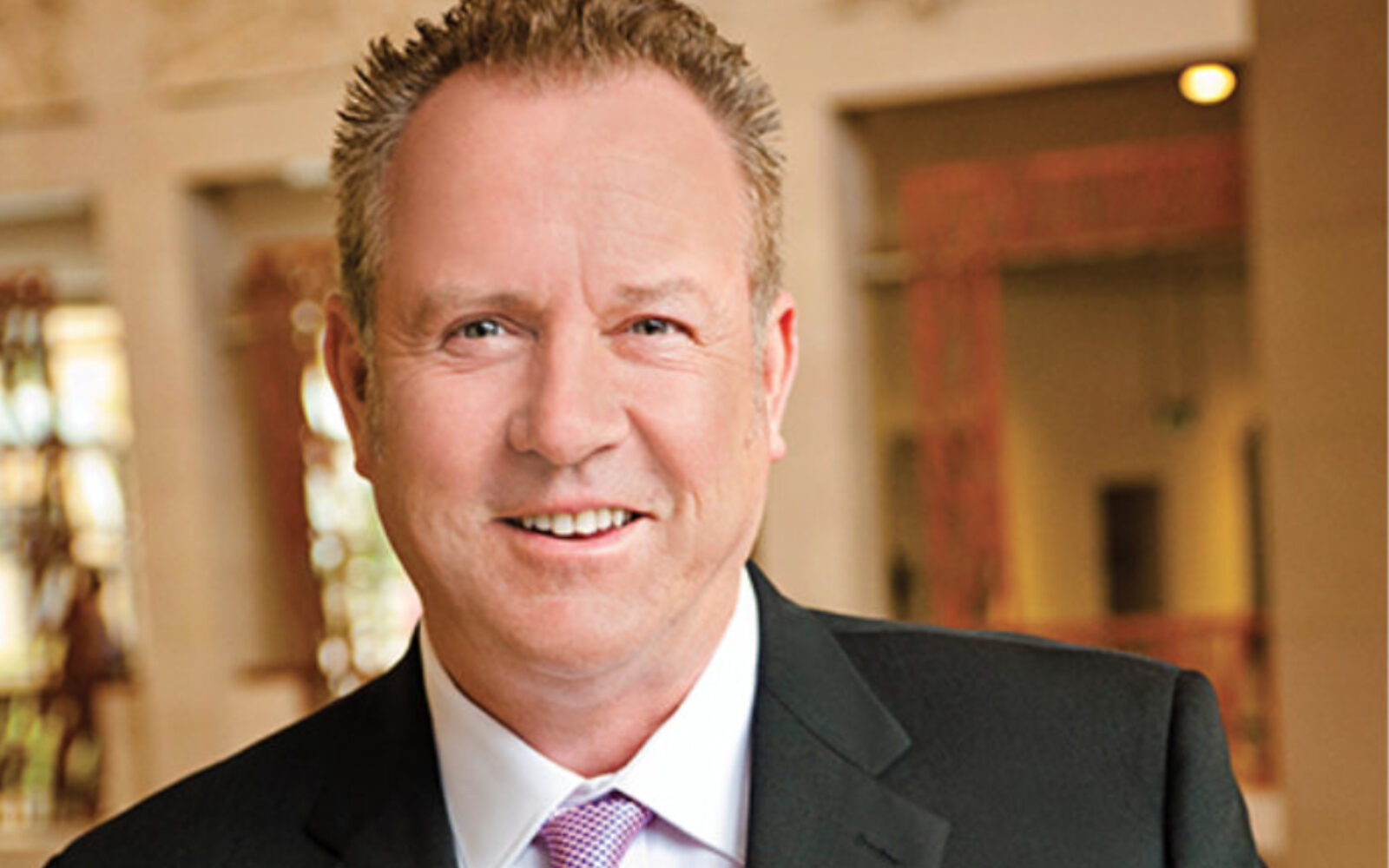
In this edition, we are exploring Sydney, and the impact that the transformation of Darling Harbour had on the city’s meetings and events offering. We also use Sibos 2018 as a case study for this edition, as it was one of the major flagship events that took place once ICC Sydney opened. For this edition we speak to Adam Mather-Brown, CEO of ICC Sydney and Amanda Lampe CEO of BESydney.
Darling Harbour and Sibos 2018
When ICC Sydney opened in December 2016, it marked the culmination of a A$3.4bn redevelopment that transformed Darling Harbour into one of the Asia-Pacific region’s leading business events precincts.
Originally established as a commercial port in 1826 before evolving into a tourism destination in 1988, Darling Harbour’s latest transformation introduced a world-class convention and exhibition centre, 3,000sqm of public green space and a new amphitheatre, creating a precinct designed to attract major international events.
Developed through the Darling Harbour Live public-private partnership, ICC Sydney was designed as a long-term economic and cultural engine for the city. The venue was created to integrate seamlessly with surrounding public spaces, support local communities and strengthen Sydney’s international competitiveness.

Adam Mather-Brown, chief executive officer of ICC Sydney, said: “ICC Sydney was envisioned as a catalyst for the renewal of Darling Harbour, created to anchor a vibrant, connected and future-focused precinct that would elevate Sydney’s standing as a global destination for conventions, exhibitions and entertainment.”
Just two years after opening, the precinct faced one of its first major tests when Sydney hosted Sibos 2018, the world’s premier financial services conference, exhibition and networking event organised by SWIFT.
The event attracted more than 7,600 delegates from 150 countries and 180 exhibitors, generating an estimated A$40m in economic impact for the city.
For Mather-Brown, attracting major international events such as Sibos was always central to the venue’s purpose.
“Attracting major global events like Sibos 2018 was embedded in ICC Sydney’s original ambition,” he said. “ICC Sydney and the precinct were purpose-built to position Sydney as a premier destination capable of hosting the world’s most complex, high-profile business events.”
The fact that Sibos committed to Sydney shortly after the venue’s opening reflected confidence not only in the venue itself, but also in the broader vision behind Darling Harbour’s redevelopment.
The transformation that made Sibos possible
ICC Sydney’s ability to host Sibos stemmed from its purpose-built design and integrated infrastructure. The venue’s 71,000sqm of flexible convention and exhibition space enabled large plenary sessions, a 180-exhibitor tradeshow and 75 concurrent private meetings to operate simultaneously.

The venue was also designed to support custom-built activations and large-scale event transformations. For Sibos, this included converting the 5,000sqm open-air Event Deck into a dedicated delegatesanctuary while maintaining the secure, highly connected environment required by a global financial services event.
“Our largest ever ICT deployment ensured the digital reliability required for a global financial services event,” said Mather-Brown.
Combined with a workforce of more than 900 staff and integrated operations across the Darling Harbour precinct, the venue was able to deliver an event of significant scale and complexity.
Mather-Brown believes ICC Sydney’s combination of flexible spaces, technical expertise and integrated services continues to distinguish it in the global marketplace.
“As demonstrated during Sibos, ICC Sydney embeds community, sustainability and legacy outcomes into event delivery, creating value well beyond the programme itself,” he said.
The destination partnership
Business Events Sydney (BESydney) and ICC Sydney continue to work in close strategic partnership to strengthen Sydney’s competitiveness as a leading business events destination. While ICC Sydney provides the infrastructure and event spaces, BESydney plays a key role in translating those capabilities into successful international bids.
“BESydney is the connector between business events, government and academia,” said Amanda Lampe, chief executive officer of BESydney. “The partnership between BESydney and ICC Sydney reduces risk for organisers, improves confidence in Sydney’s event infrastructure and enables Sydney to bid for larger and more complex international events.”
Lampe believes the legacy of ICC Sydney extends far beyond the venue itself.
“From our perspective, ICC Sydney’s legacy is not just the venue itself, but what it enabled Sydney to do differently,” she said. “The ICC became the anchor that allowed Darling Harbour to function as a true city-scale business events precinct – one that integrates world-class infrastructure with walkable public space, accommodation, dining and cultural assets.”

The wider precinct has continued to evolve, with developments across Darling Harbour contributing to its appeal for event organisers and delegates alike.
“They all contribute to the precinct’s success and they also play a role in precinct activations that form part of congress itineraries – always memorable for delegates,” Lampe said.
According to Lampe, the redevelopment fundamentally changed how Sydney was perceived by international organisers.
“Quite simply, ICC Sydney changed the types of conversations Sydney could have,” she said. “Before the ICC, Sydney was often shortlisted on destination appeal but questioned on scale, integration or operational certainty. Post-ICC, those questions largely disappeared. The venue gave boards and committees confidence, while BESydney’s role has been to translate that confidence into board-ready business cases, supported by data, government advocacy and partner alignment.”

The impact
As one of the first major flagship events following ICC Sydney’s opening, Sibos demonstrated Sydney’s ability to deliver a complex, security-intensive and content-rich international event.
“It proved the strength of our people, our infrastructure and our precinct partnerships,” said Mather-Brown.
Since then, Sydney has gone on to host thousands of international, interstate and local events across the association, government and corporate sectors.
Mather-Brown believes Sibos also helped shape expectations around the delegate experience.
“We’ve seen delegates moving more fluidly between the venue and the surrounding innovation ecosystem, taking advantage of the proximity to Sydney’s fintech community, universities, cultural institutions and waterfront experiences,” he said.
“Sibos showed us that delegates value purpose-driven engagement, not just traditional conference participation. The Discover Zone model, where start-ups, financial institutions and universities activated spaces beyond the venue, set a new benchmark for precinct-wide collaboration. Delegates now expect opportunities to explore local innovation, meet emerging talent and engage with the city’s thought leaders as part of their event journey.”
The event’s legacy programme also highlighted the growing importance of sustainability, community engagement and social impact within business events.
“The success of Sibos’ Legacy Program has influenced how delegates interact with the city and venue, with many now seeking out sustainability initiatives, community partnerships and cultural experiences that connect them more meaningfully to Sydney,” Mather-Brown added.
Since 2018, ICC Sydney has continued to evolve its services and capabilities. Most recently, the venue launched Connect Create, an in-house content production service designed to support clients with video production, photography, motion graphics, 3D animation and digital storytelling.

Lampe believes the success of Darling Harbour lies in the fact that the redevelopment focused on more than simply building a convention centre.
“What Sydney got right in reclaiming the harbour as a business events precinct was thinking beyond the venue,” she said. “The ICC was developed as part of a broader ecosystem – transport, hotels, public realm and cultural institutions – allowing the harbour to function as a flexible, high-performing events district.”
Nearly a decade after opening, ICC Sydney remains the centrepiece of Darling Harbour’s transformation. For both ICC Sydney and BESydney, Sibos 2018 was more than a successful event – it was proof that Sydney could compete for the world’s most complex international meetings and exhibitions. The redevelopment of Darling Harbour did not simply create a new venue; it fundamentally changed the scale, ambition and global profile of the events Sydney could attract.