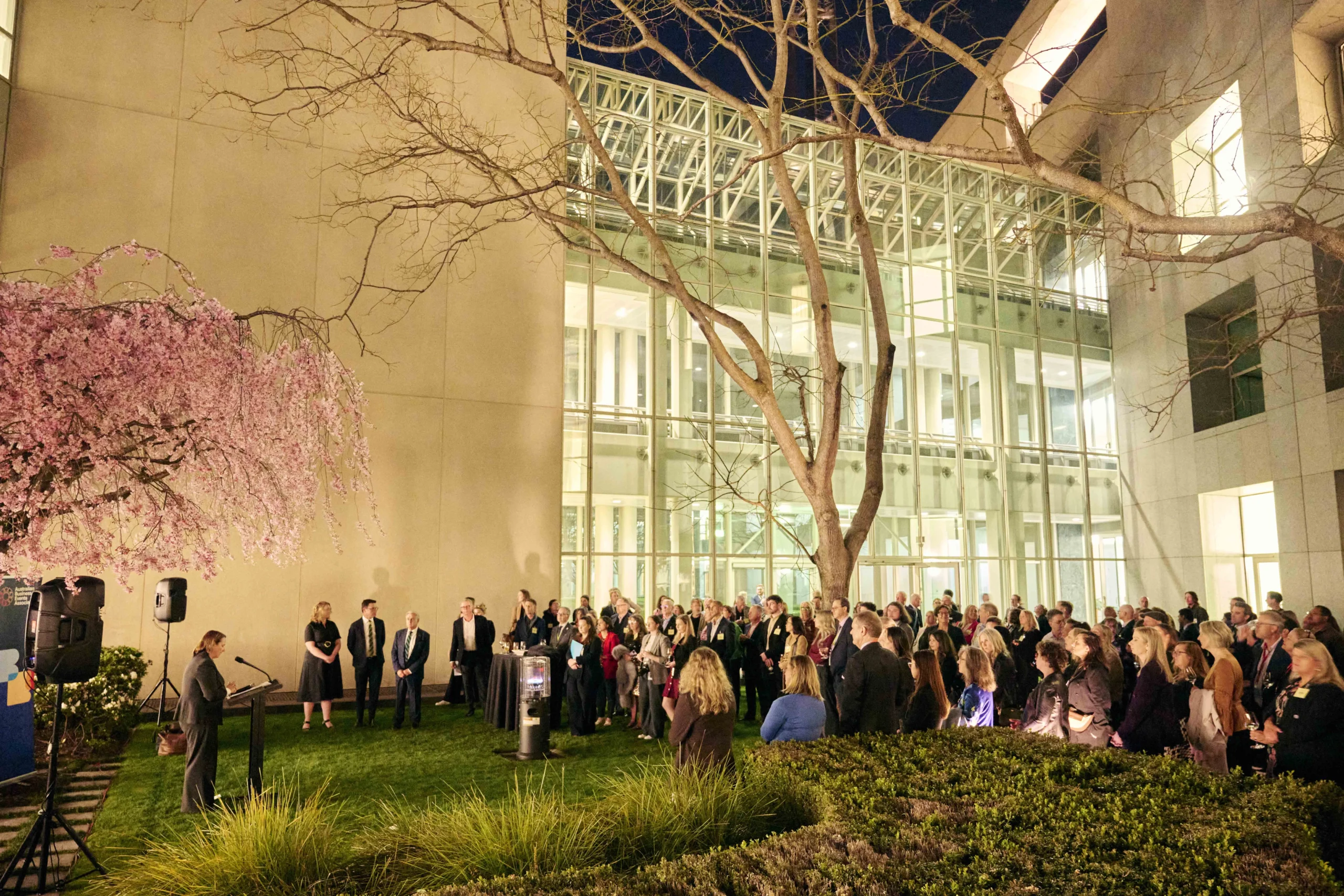
In April New Zealand’s capital, Te Whanganui-a-Tara, Wellington welcomed its largest international association conference to date.
Hosted by New Zealand’s national rural health advocacy organisation Hauora Taiwhenua Rural Health Network and its partner, Te Rōpū Ārahi, the 21st World Organisation of Family Doctors (WONCA) World Rural Health Conference showcased Aotearoa New Zealand’s leadership in rural health and community-led healthcare. Chosen for its strong rural population, commitment to rural health equity, and innovative indigenous and community-led health initiatives, New Zealand welcomed almost 1000 delegates from 40 countries in Wellington for the global event.
The conference theme, Whānau Ora: Integrating mātauranga Māori Indigenous knowledge with rural health for a thriving future, placed Māori perspectives at the heart of the programme. Delegates were formally welcomed with a pōwhiri (welcome ceremony) led bythe local Te Āti Awa people, setting the tone for a conference focused on collaboration, cultural understanding, and the role Indigenous knowledge can play in improving health outcomes.
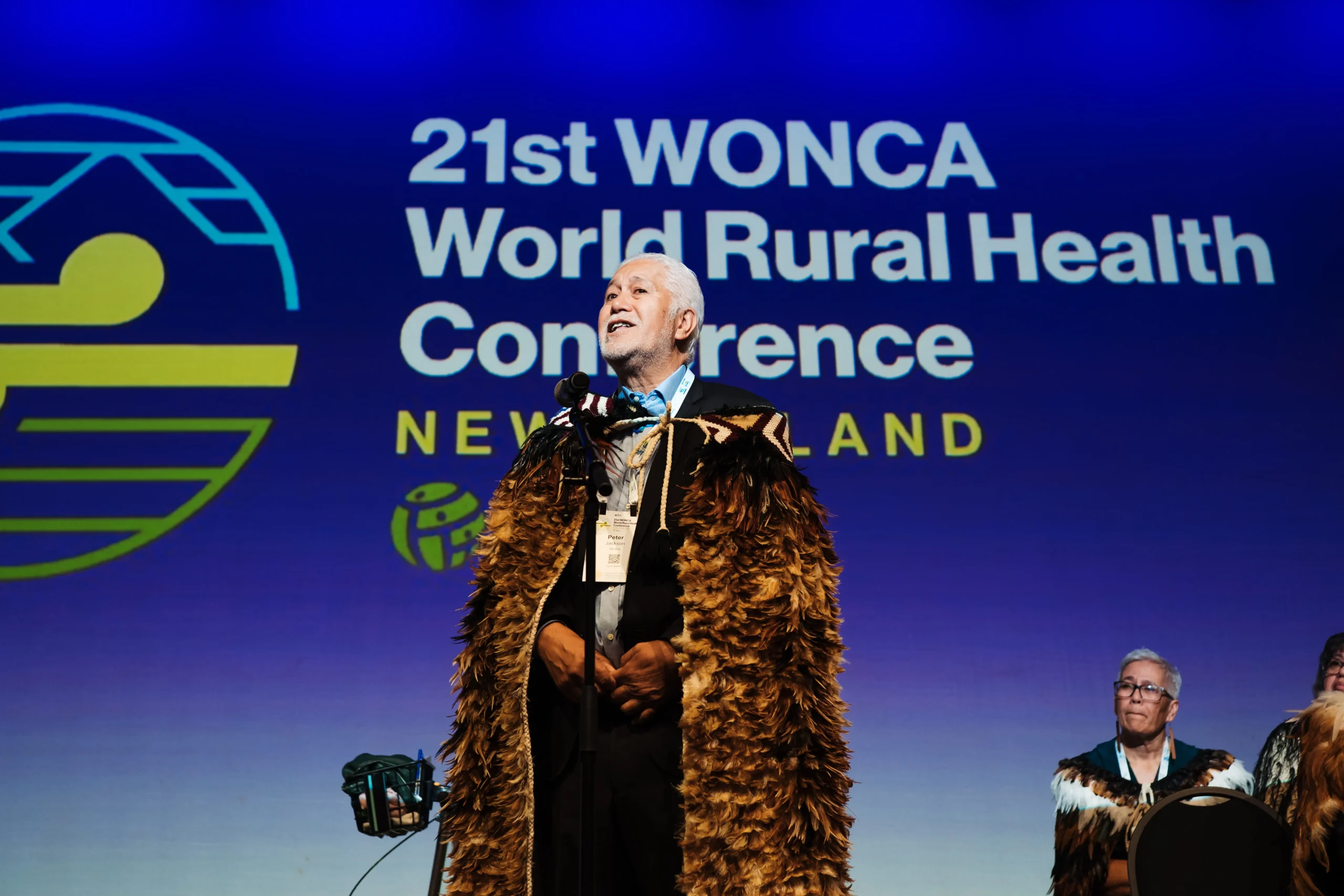
Indigenous knowledge on the world stage
Throughout the programme, keynote presentations, workshops and panel discussions explored how traditional knowledge, community leadership and rural innovation can contribute to more equitable and sustainable healthcare systems.
Among them were Dr Diana Kopua and Mark Kopua, founders of Mahi a Atua, whose pioneering model of mental health care is grounded in mātauranga Māori and Indigenous knowledge. Health New Zealand’s Laura Aileone challenged delegates to rethink healthcare through a whānau (family) and community lens, while former Director-General of Health Sir Ashley Bloomfield and Pacific health leader Sir Collin Tukuitonga shared their perspectivesand vision on building healthier and more resilient rural communities.
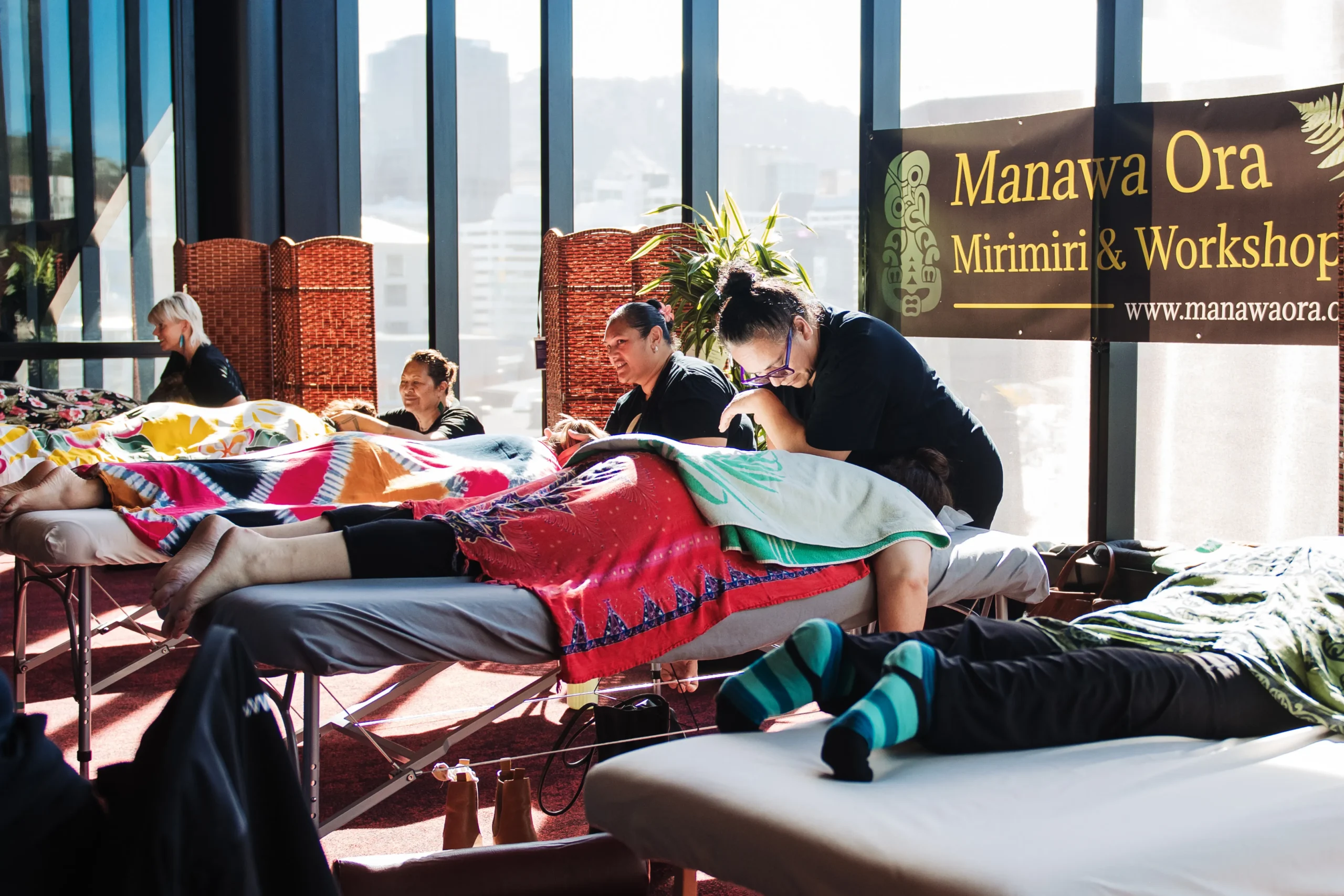
Reflecting the conference’s commitment to fresh thinking and holistic wellbeing, delegates also experienced Ahi Kā, an innovative Te Ao Māori Hub that went beyond the traditional conference exhibition model. Rather than simply showcasing information, Ahi Kā created an interactive space where participants could engage directly with the principles of hauorathrough Māori art, weaving, mirimiri (massage), and tā moko (traditional tattoo).
The hub provided a unique opportunity for delegates to experience indigenous knowledge systems in practice and see firsthand how culture, community and wellbeing are interconnected.

A capital platform
The conference also demonstrated Wellington’s capability as a host city for large-scale international events. As the largest international association conference ever held in the capital, Rural WONCA showcased Wellington’s ability to successfully welcome and connect a global audience. The event highlighted the city’s strengths as a conference destination, combining purpose-built facilities such as Tākina Wellington Convention and Exhibition Centre with a compact, walkable city centre, diverse accommodation options, and easy access to government, academia and industry leaders.
For organisers, Wellington offered the infrastructure and expertise required to deliver an event of global significance while maintaining the collegial atmosphere that helped foster meaningful connections among delegates.
For Hauora Taiwhenua Chief Executive Dr Grant Davidson, hosting the conference in Wellington provided a unique opportunity to elevate rural health issues at a national level.
“Too often policies are designed for urban systems and adapted later for rural communities,” said Dr Davidson. “Hosting the conference in Wellington, the capital of Aotearoa New Zealand, gave us visibility, strengthening our role as an advisory organisation to government and its agencies. The location provided an accessible opportunity for members of parliament to attend, present their policies and hear directly from those affected by policy. This doesn’t happen anywhere else for our rural communities.”
One of the strongest messages to emerge from the conference was the need for “rural proofing” across all health policy and funding decisions, ensuring the realities of people living and working rurally are considered from the outset rather than as an afterthought. This commitment to equity and inclusion was reflected throughout the programme, from a dedicated workshop advancing the World Health Organization’s Global Plan of Action on the Health of Indigenous Peoples to the strong presence of women leaders, Indigenous health experts and emerging rural health professionals who helped shape discussions and future directions for rural healthcare.
The conference also marked the launch of Global Rural Health Action, Collaboration and Excellence (GRACE), a new international initiative focused on improving rural health outcomes through collaboration, advocacy and practical action.
Dr Pratyush Kumar said the decision to launch GRACE in New Zealand was symbolic. “Rural communities everywhere face common challenges. GRACE is about turning shared knowledge into coordinated global action, and Aotearoa New Zealand is an ideal place to lead that conversation.”
Beyond the formal programme, the compact and walkable nature of Te Whanganui-a-Tara Wellington fostered connection and collaboration, allowing delegates to move easily between Tākina, accommodation, restaurants and social events. The accessibility of the city created valuable opportunities for networking, helping to strengthen professional relationships and international partnerships that will continue well beyond the conference itself.
Lasting legacy for rural health
Beyond bringing together rural health leaders, clinicians, researchers, policymakers and advocates from around the world, Rural WONCA delivered lasting outcomes for Aotearoa New Zealand.
The conference saw the launch of the Aotearoa New Zealand Declaration on Rural Health 2026, a roadmap outlining six priority areas to strengthen rural health systems, improve access to care and support a sustainable rural workforce.
Supported by Associate Minister of Health Hon Matt Doocey on behalf of Health Minister Hon Simeon Brown, the Declaration provides a clear call to action for addressing rural health inequities and ensuring rural voices are central to decision-making.
As Hauora Taiwhenua Chair and Conference Co-Chair Dr Fiona Bolden noted, the conference legacy extends beyond the event itself, carrying forward shared knowledge, new ideas, renewed energy and a collective commitment to advancing rural health equity for the communities that live and work rurally.
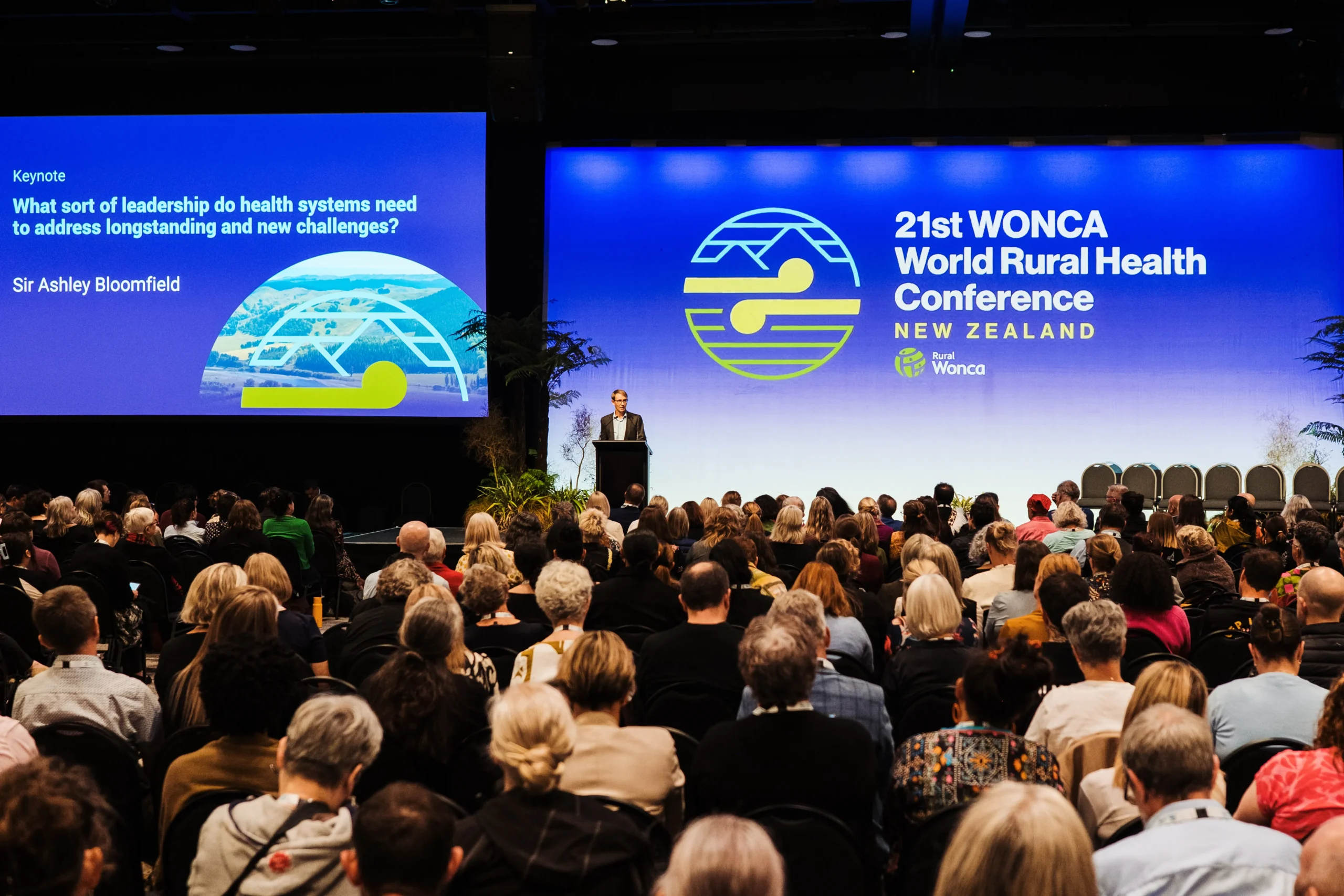
Wellington provided the ideal backdrop for a conference focused on dialogue, innovation and action. From elevating rural voices in the heart of government to fostering international partnerships and sharing innovative approaches to healthcare, Rural WONCA demonstrated the power of bringing people together to drive meaningful change. The conversations, commitments and relationships forged during the conference will continue to shape a stronger and more equitable future for rural communities in Aotearoa New Zealand and around the world.
This conference, along with Hauora Taiwhenua Rural Health Network and its partners Te Rōpū Ārahi, was hosted by Business Events Wellington and Tourism New Zealand Business Events.
If you’re interested in what hosting a conference in Wellington or New Zealand could look like to you, please contact Loryn Blaikie at Loryn.Blaikie@WellingtonNZ.com or get in touch with the team at www.wellingtonNZ.com/meet
YouTube link: