Business events benefit from New Zealand's focus on climate action, science
New Zealand is strengthening its reputation as it puts climate action, science and innovation at the top of its agenda. And it’s proving attractive for associations bringing their conferences to its capital city, Wellington. The country has a master plan to deliver a productive, sustainable and inclusive future through tackling big challenges like the transition to a zero-carbon economy by 2050, environmental sustainability, creating fulfilling, high-value jobs and increasing wellbeing.
Wellington leads the way
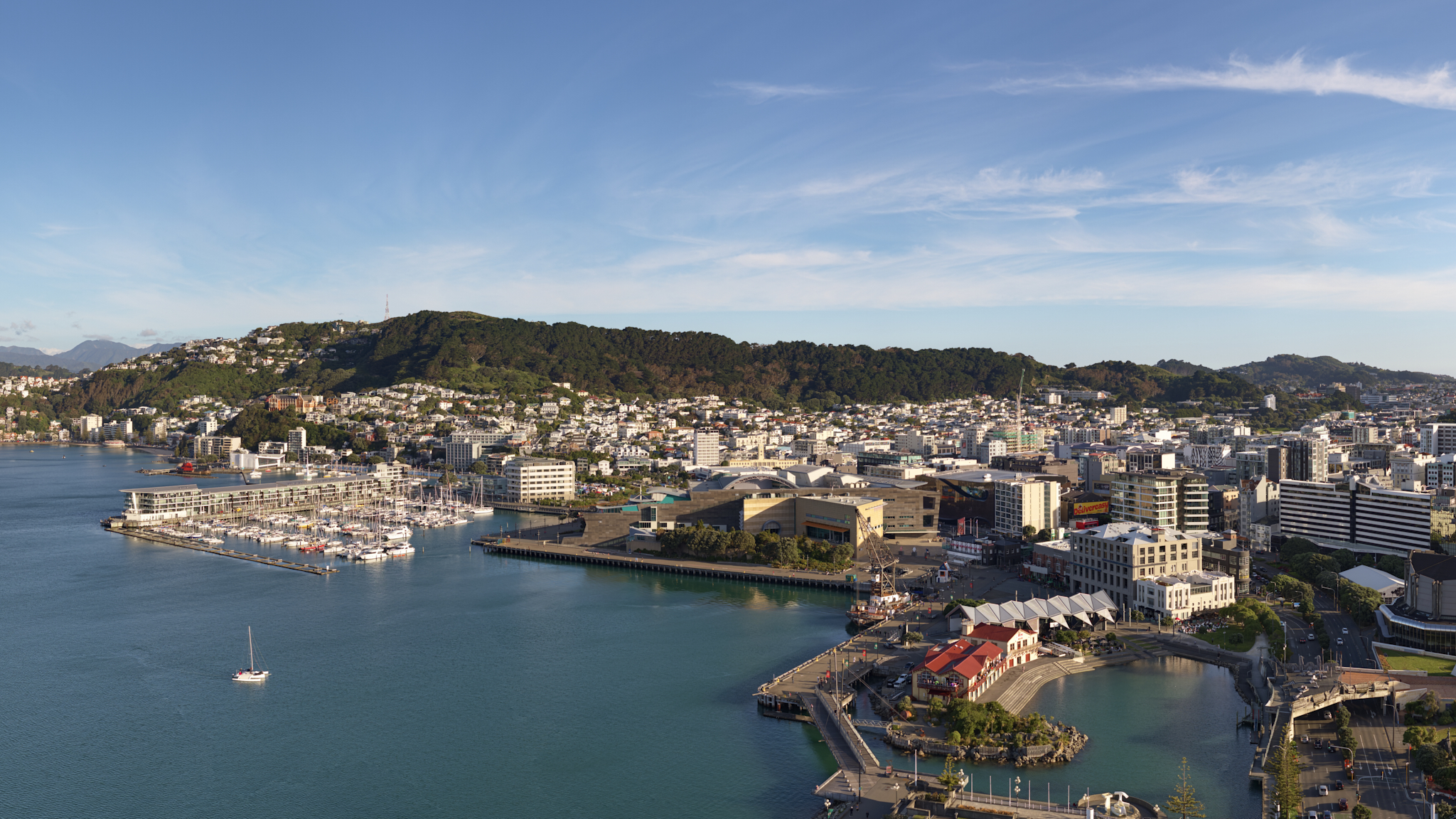
New Zealand’s capital city, Wellington, has already received a NZ$450m boost for a trio of new hubs that will enhance its profile as a centre for research, science and innovation. The New Zealand Government recently announced plans to invest money to help establish three new collaborative centres that will bring together expertise from Wellington’s research-based organisations. The centres will focus on health and pandemic readiness, climate change and disaster resilience, and technology and innovation. The grand plan is to make Wellington a science city and build on the region’s strengths to make the capital a vibrant, resilient, and adaptable centre of research, science and innovation by 2030.
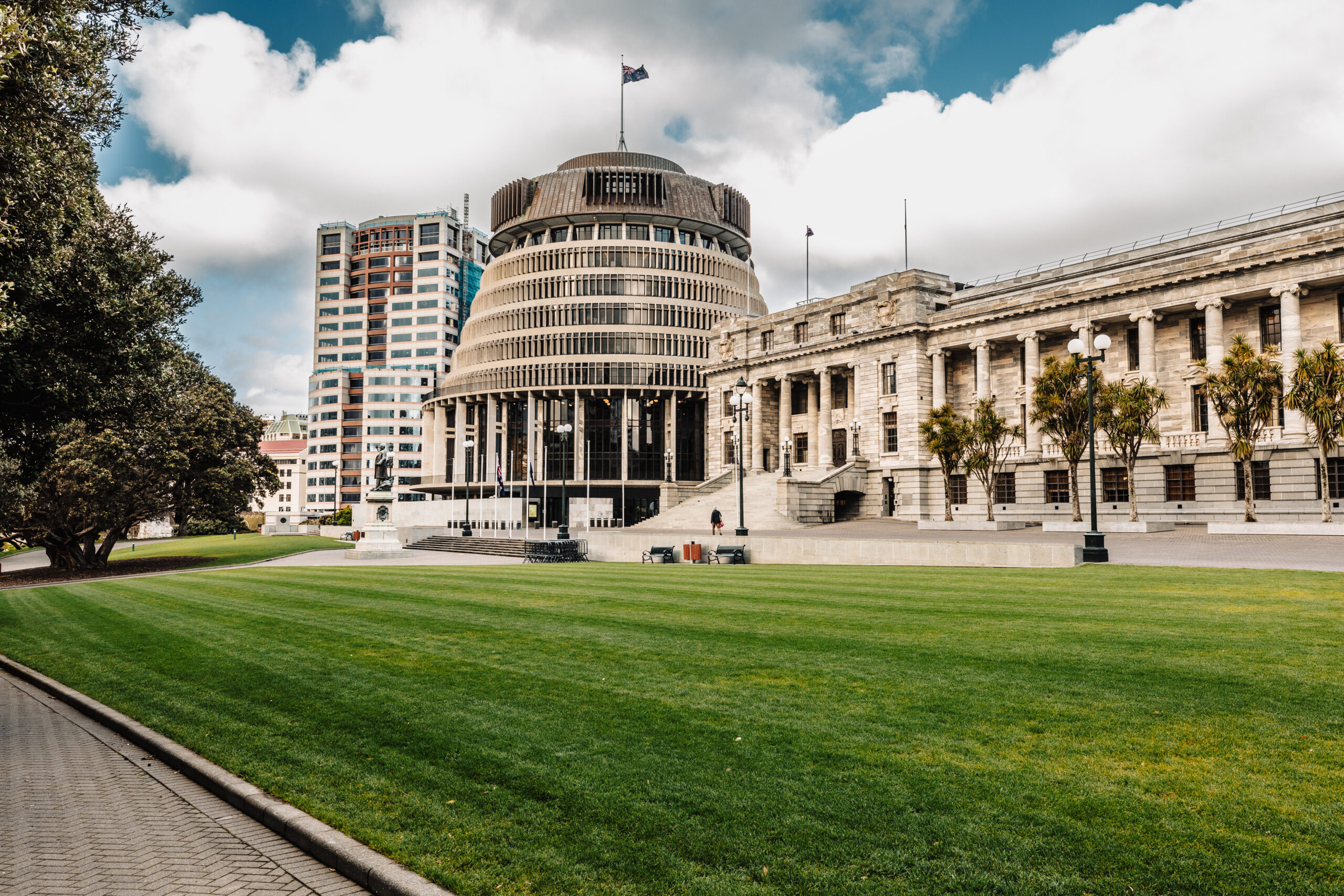
New Zealand Parliament Buildings and Beehive
Wellington’s reputation as a “science city” is already having an impact in the conference and events space. A number of associations across scientific fields are bringing their conferences to Wellington. The first ever Life Sciences Summit organised by BioTechNZ in Wellington recently shows how the power of events can help to further grow industry sectors. Wellington has formed a multi-year partnership with BioTechNZ to anchor its conference here and grow the country’s promising biotech sector. The inaugural conference has united Aotearoa New Zealand’s life sciences and biotechnology communities across all sectors, including agriculture, environment, industrial as well as human and animal health. It aims to result in changes to Government policy and regulations in the future. “Biotech is an increasingly important industry in New Zealand for addressing critical environmental, health, climate and food challenges,” says Business Events Wellington manager Irette Ferreira.
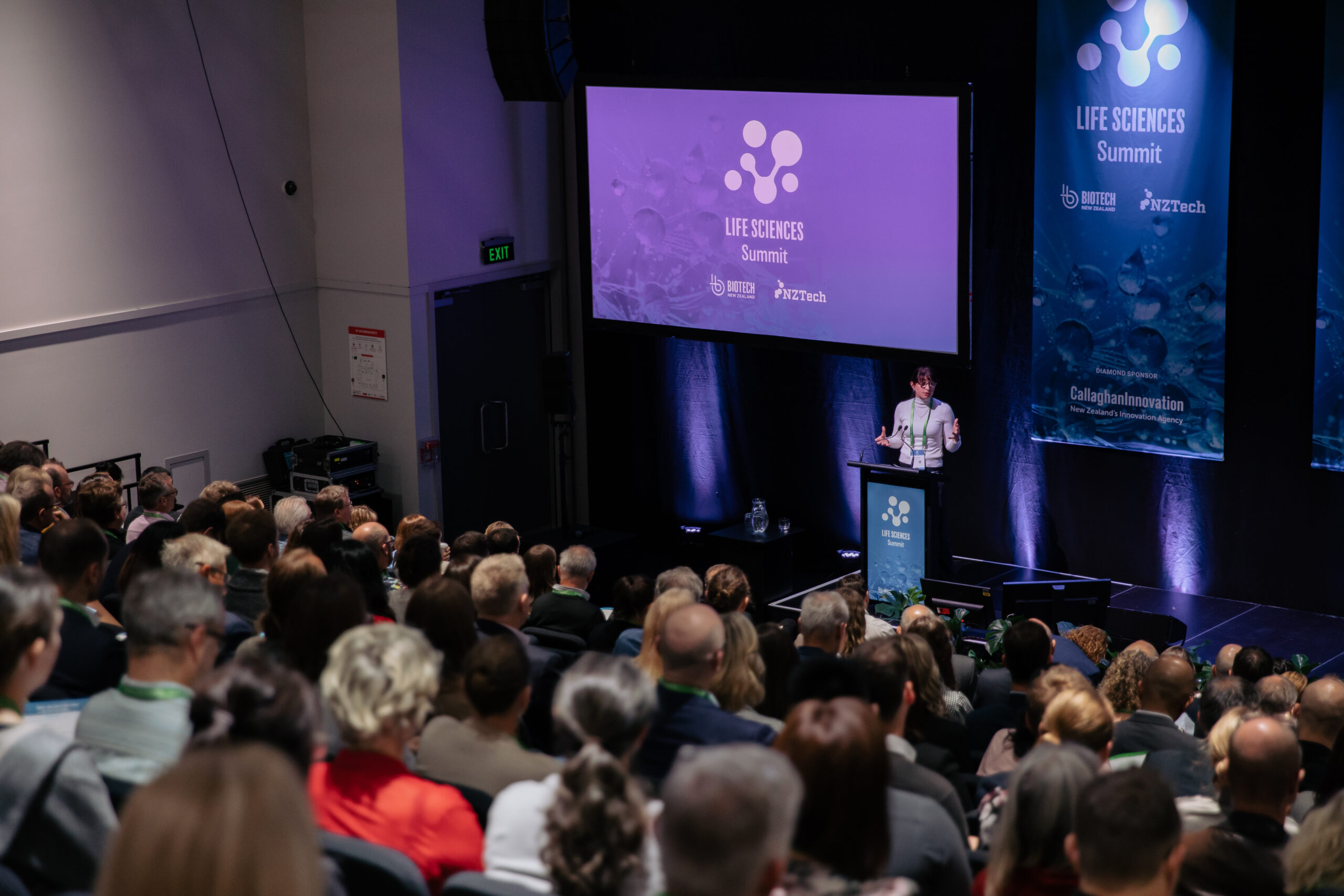
Life Sciences Summit 2023, Wellington
Wellington already boasts the largest research, science and innovation workforce in the country. It’s home to Te Herenga Waka–Victoria University of Wellington, one of New Zealand’s oldest universities which ranks in the top two percent of 18,000 universities internationally. There are also branch campuses for Massey University’s College of Creative Arts, Otago University’s Wellington medical school, and three highly regarded institutes of technology. There are seven government-funded Crown Research Institutes (CRIs) in New Zealand, all of which are either based in Wellington or have a facility there.
University breaks new ground
Te Herenga Waka–Victoria University of Wellington has the highest proportion of academics conducting high-quality research in New Zealand. And they are making a difference in New Zealand and internationally. Whether it’s healthcare, the environment or high-value manufacturing, scientists are breaking new ground and turning their discoveries into ways that improve our lives. The university’s researchers are internationally respected. They are transforming areas like skin and breast cancer detection, earthquake modelling and seafood production. As New Zealand’s top institution for Antarctic and climate change research these scientists serve as lead authors, play leadership roles and are advisers in this vital field. Vice-chancellor professor Nic Smith says the university’s ambitions in the climate space are multiple. At the core is a high quality science and evidence perspective, he says, from the work being undertaken on everything from sea level rises to ecology changes and alternatives to power. “It all helps us to understand not only what the impacts will be but how quickly they’re happening and what the possible opportunities are for either remediation and reversal or adoption. “And events of scale that bring business, politicians, leadership, sectors and associations together are critical in addressing such issues,” says Nic. “Business and professional events are huge accelerators. They bring in diverse communities with hope and expectations to share their perspectives, but they also help to understand others. From those discussions emerge opportunities.”
Help on hand to run sustainable events
Reducing the negative climate impact while increasing the value of content to attendees is becoming increasingly important in conference delivery. In New Zealand’s vibrant, energetic capital, there is plenty of support to run events that help to reduce our carbon footprint. In Wellington there’s an environmental focus from every angle. The capital has the lowest emissions per capita of any Australasian city. And it has long been a leader in climate innovation, reflected in its accolade as one of the top 10 eco-cities in the world in Lonely Planet’s Sustainable Travel Handbook. Known for its connected and collaborative nature, Wellington also leads the way in the ongoing restoration of the natural environment. It’s home to the world’s first fully-fenced urban sanctuary, Zealandia Te Māra a Tāne, and one of the only cities on the planet where native biodiversity is increasing.
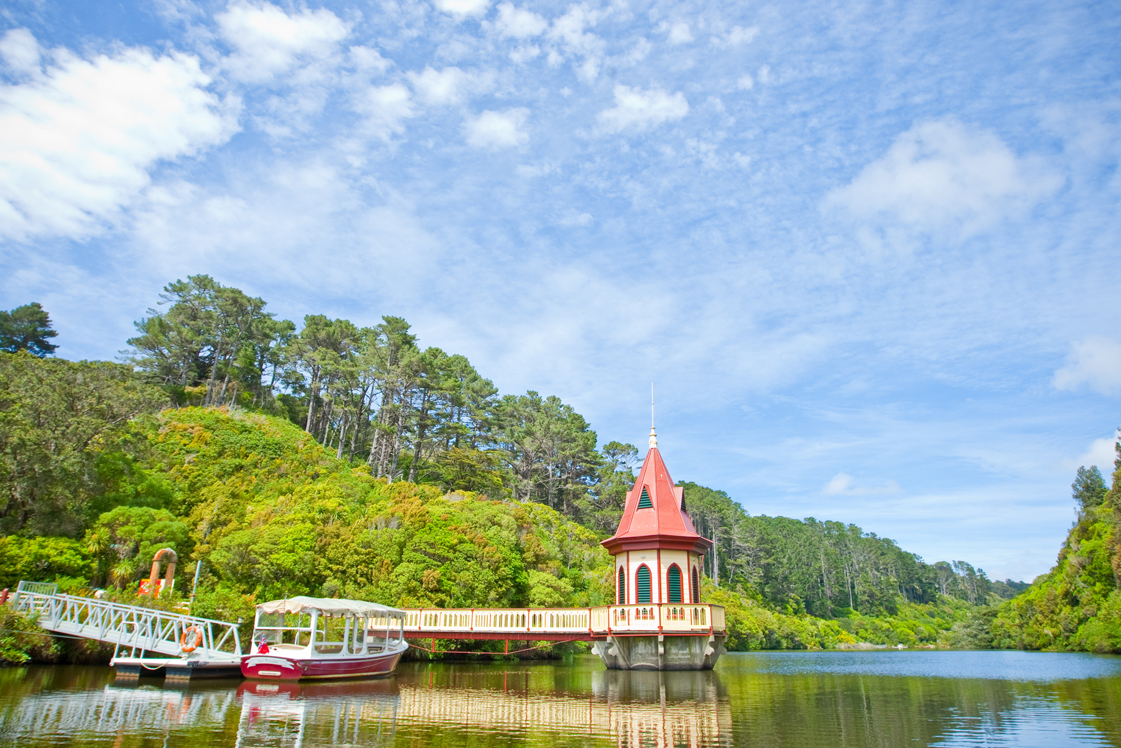
Zealandia Te Māra a Tāne
To secure the environment for future generations, there’s a blueprint called Te Atakura – First to Zero, to ensure the city is a net zero emission city by 2050. The plan is to implement key activities to help reduce emissions in four target areas – transport, building energy and urban form, advocacy, and the council. With climate action and innovation a big focus across all industry sectors, it means event organisers can find a wealth of forward-thinking ideas and experts to support their event. Business Events Wellington has developed a suite of sustainability resources to help event organisers reduce their carbon footprint. Resources include the comprehensive Wellington Sustainable Events Guide which provides tips on how to host an event sustainably, and a guide to Wellington venues and accommodation providers recognised for their sustainable practices. Events venues are working hard to reduce the impact of events on the environment and to make them more sustainable too. Four Wellington-managed entertainment venues were the first in New Zealand to be awarded EarthCheck’s accreditation. Wellington’s sustainably-designed conference and exhibition centre, Tākina, was also the first convention centre in the country to receive a 5-Star Green Star design certification.
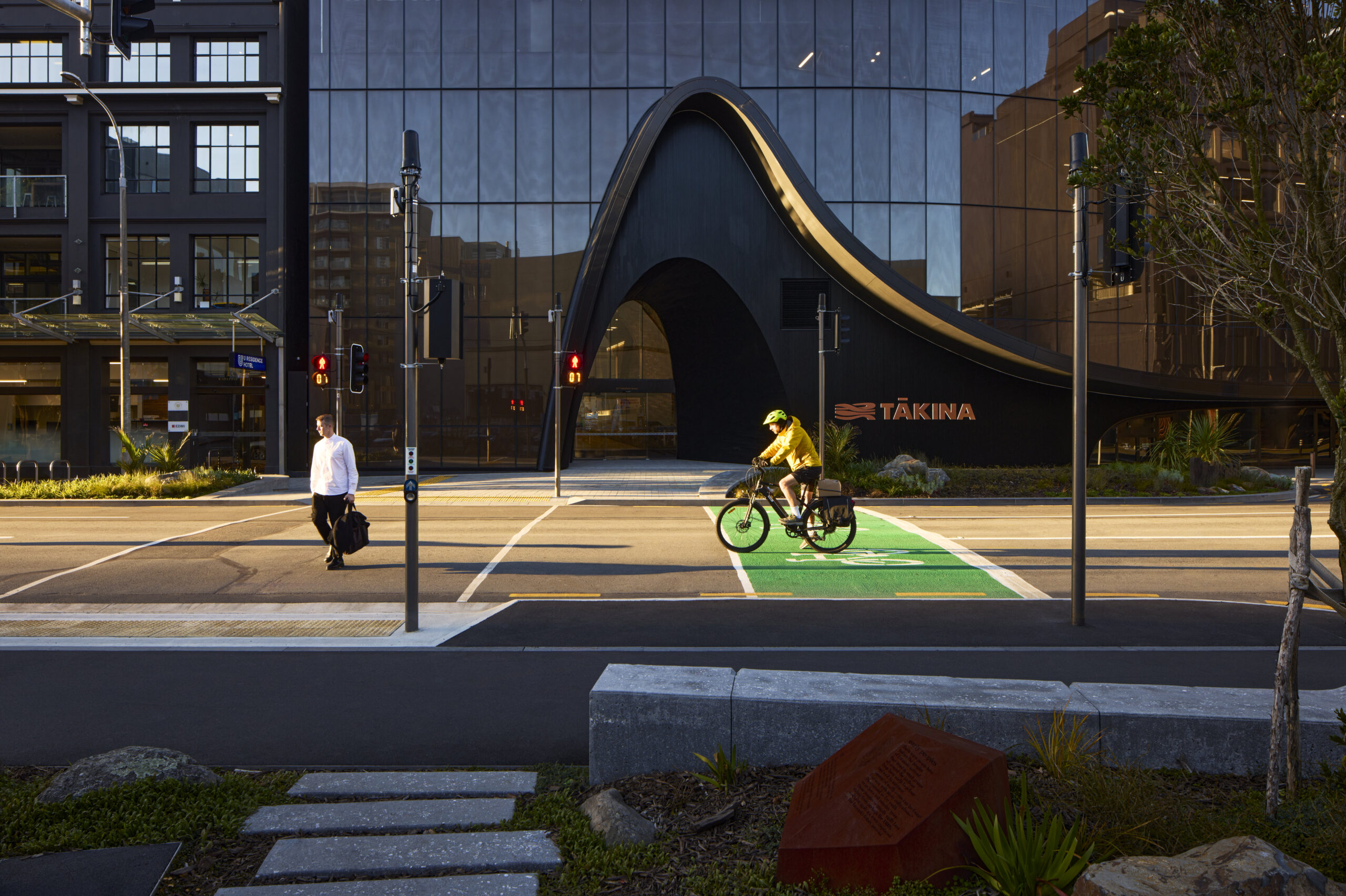
Tākina Wellington Convention & Exhibition Centre. Credit: Jason Mann Photography
As conference and event organisers increasingly look to make their events more sustainable, Wellington and its networks are suitably able to help achieve that goal. The city’s new convention centre Tākina has worked with New Zealand’s business events association, Business Events Industry Aotearoa, to help make its flagship event MEETINGS more sustainable. It achieved Toitū carbon-zero event certification after its June event at Tākina. Before Tākina opened in 2023 the Australian Psychological Society (APS) ran its members’ symposium as a test event. Having environmental sustainability and resilience at the heart of the design, construction and operation of Tākina sat well with APS. “Knowing that Tākina Events works with Kaibosh for food rescue, for example, is a big win – everyone was willing to work together to support our sustainability goals,” says APS’ Paula Rowntree. Being in the heart of a capital, Tākina’s – and Wellington’s – central location was advantageous. “Wellington has easy access from all Australian capital cities, and being the centre of Government meant we could liaise with applicable departments,” explains Paula. The city’s compactness also made it easy to hold sessions at off-site locations, including Zealandia, the cultural waterfront venue Te Wharewaka and Museum of New Zealand Te Papa Tongarewa. The walkability of Wellington was a hit too. “Attendees loved being able to walk easily and quickly to and from the event venue, their hotel, restaurants and activities,” says Paula. “The quality of service, food and beverage in Wellington is also always well-loved. Add to this the diverse range of venues all within 10-15 minutes that allowed us to try new programming ideas and it’s a win for everyone attending, as well as us as the organisers.” For more information visit
www.WellingtonNZ.com/meet Contact To learn more about the opportunities for conferencing in Wellington contact the official convention bureau Business Events Wellington at
BusinessEvents@WellingtonNZ.com
Comments are closed on this post.