CMW meets David Moore, a young English entrepreneur who founded the Alderbourne communications business a year ago, which soon gave birth to a fast-growing specialist conferencing arm. Alderbourne operates at the intersection of business, energy, policy, media and public affairs, and aims to fill that gap with practitioners who have worked inside politics, media and industry, and who can move between a boardroom, a broadcast studio and a committee corridor without changing the argument.
How did Alderbourne start and what attracted you to conferencing?
I founded Alderbourne in 2025, bringing together my experience in Parliament, local government, broadcasting and communications. I wanted to build a business that could help organisations explain what they do, engage the people who matter to their work and turn a good idea into something deliverable.
Conferences and convening became a natural part of that offer. There are occasions when people need time together to examine a question properly, challenge one another and build relationships. A well-designed programme with a well-curated room gives that conversation a purpose.
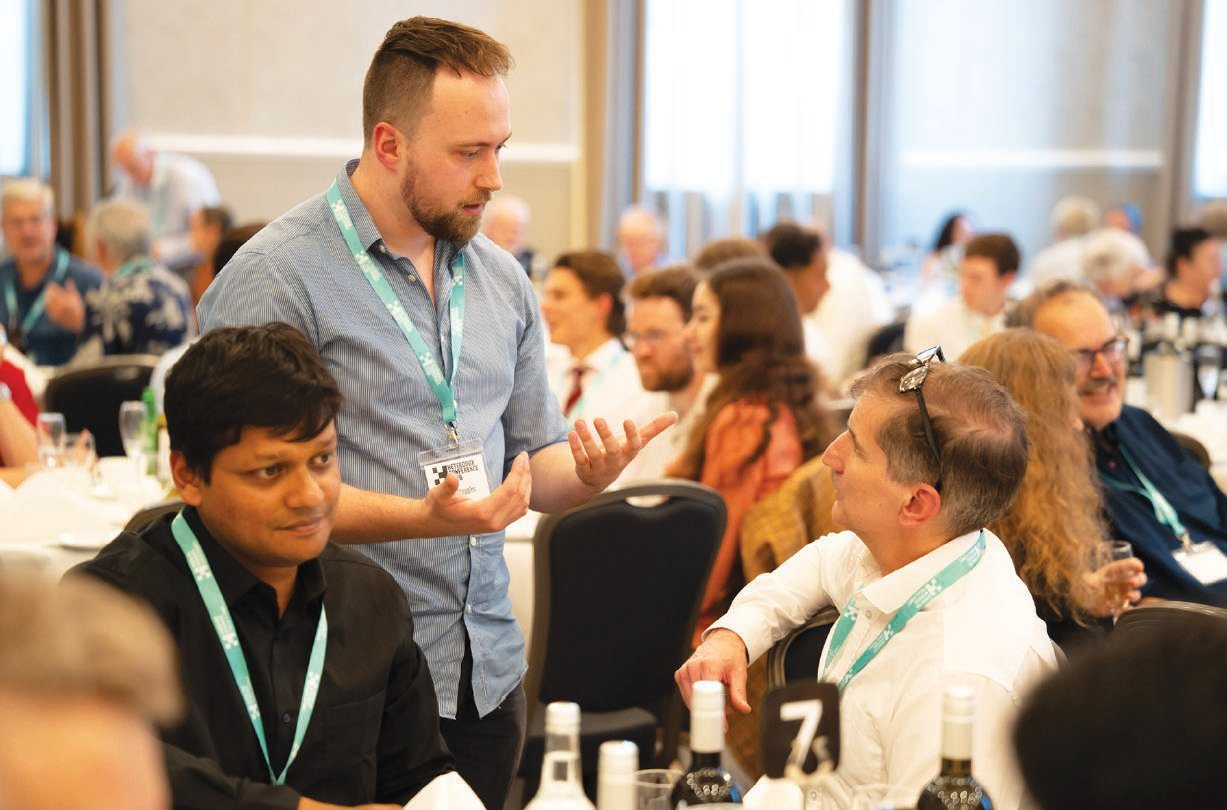
The inaugural Disraeli Conference at The Bull Hotel in Gerrards Cross, north of London, grew from an interest in connecting political history with contemporary questions about Britain’s future. We also helped deliver the Heterodox Conference at the University of Buckingham, bringing an international academic programme to a wider community.
Those events showed how closely programme development, communications and practical event delivery are connected. That combination is an important part of Alderbourne.
What were the initial conferencing challenges and how did your approach change?
My own background was principally in communications, public affairs and organising political and stakeholder activity. Building a full conference programme brought a much wider set of operational responsibilities.
The hardest part was coordinating decisions that depended on one another. Speaker availability shapes the programme; the programme shapes marketing; registrations affect catering; and production needs to reflect both the room and the intended audience online.
The experience reinforced the importance of a detailed running order, clear responsibilities and timely decisions. Relationships help get people involved, but the smaller operational details determine whether they have a good experience when they arrive.
I would now put even more emphasis on agreeing the budget, supplier requirements and decision deadlines early, and planning the use of recorded content before the event itself.
How do your business and energy summits fit your developing niche?
The common thread is the relationship between business, policy and public debate that makes convening special.
The Alderbourne Business Summit is being developed for founders, owner-managers and senior business leaders across Buckinghamshire, Berkshire, Oxfordshire and the wider Thames Valley. The programme covers practical questions about growth, technology, investment and leadership. We want attendees to leave with useful ideas and relationships they can develop afterwards.
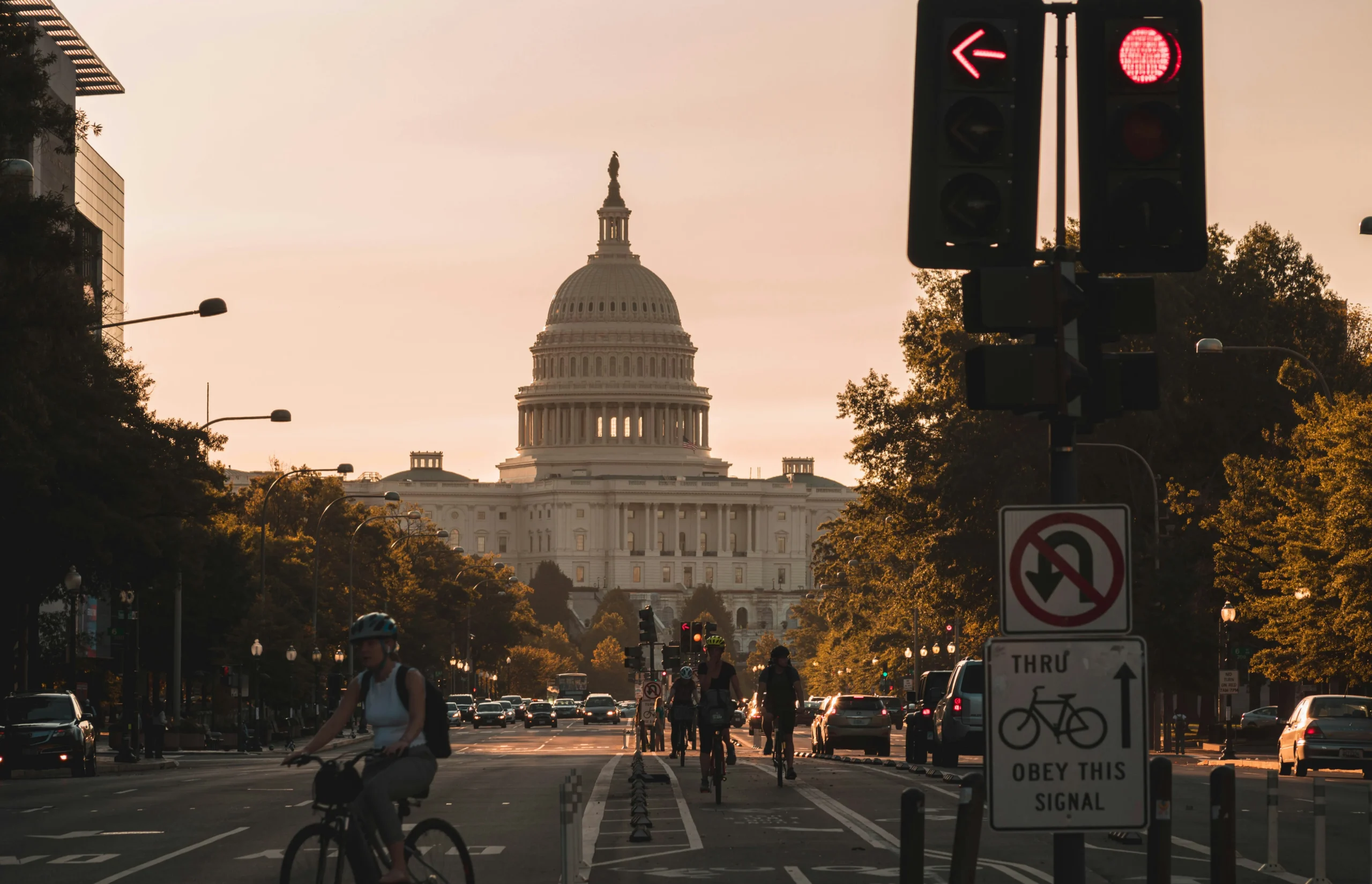
The Energy Realism Summit is being developed for March 2027 in Westminster, with secure and affordable energy, grid resilience, infrastructure and industrial competitiveness at its heart. The conference is timely at a time when the UK suffers from one of the highest energy costs in the developed world.
How do you choose venues?
We start with the audience and the practical requirements: how people will travel, whether they need accommodation, the format of the sessions and the space available for conversations between them.
The Bull Hotel and the University of Buckingham suited the character of our first conferences. Both allowed us to build a programme around time spent together, with the facilities needed to support the event.
The Westminster area, where our Energy Realism Summit will be held, has an obvious role when parliamentary participation is central.
The important test is whether the location makes it easier for the intended audience to attend and participate, within a budget the event can sustain.
What have you learnt about suppliers and sponsors?
It has been a considerable learning curve. A precise brief is one of the most useful things an organiser can give a supplier: what the event is trying to achieve, what needs to happen on the day and what must be delivered afterwards.
For filming and photography, that includes thinking ahead about full sessions, individual speeches, shorter clips and the formats contributors can use on their own channels. We work with a fantastic pool of freelance media pros.
With sponsors, the task is to understand why a particular audience or subject matters to them. The proposal then needs clear deliverables, responsibilities and a realistic account of the value on offer.
A sponsor can bring expertise and help make an event viable. The programme still needs to be credible in its own right, with room for worthwhile questions and discussion. Getting that balance right is essential to earning the audience’s trust.
How will you measure success?
More than 120 delegates attended the Disraeli Conference and more than 200 attended the Heterodox Conference. Both also produced professional video content, with speeches and clips continuing to circulate through contributors’ networks after the conferences. Heterodox attracted discussion on LBC radio and online. We specialise in media and want to ensure the conference conversations continue over the digital airwaves.
For future events, I want us to track more of what happens afterwards: follow-up meetings, repeat participation, partner feedback and whether people found the programme useful enough to act on. That will help us improve the events and explain their value more convincingly.
What is the Gold & Wealth Conference looking to achieve?
We are developing the Gold & Wealth Conference with Jasmine Birtles and MoneyMagpie for early 2027 in London.
The intended audience is private investors and people seeking a clearer understanding of gold and its place in wider discussions about saving, investment and financial resilience. We want an accessible programme that examines the practical questions, risks and differing views.
Where would you like Alderbourne to be in three years?
I would like us to have a sustainable portfolio of annual conferences and strategic convenings that people actively want to return to.
Conferences will sit alongside our media relations and public affairs work. I see opportunities both to develop our own events and to organise conferences or private roundtables for clients with a specific objective.
There is also scope for an international dimension. We are developing relationships overseas, particularly in the United States. Energy, investment and industrial policy are already international conversations, so bringing those perspectives into our programmes is a natural next step.
What one piece of advice would you give a first-time organiser?
Be clear about the purpose before committing to the event, then secure sponsorship and backing.
You should be able to explain who it is for, why those people would give you their time and what you want them to take away. That gives you a practical test for the programme, venue, marketing and budget.
Then put names and deadlines against the work. A compelling idea gets a conference started; consistent follow-through gets it delivered.
Find out more at www.alderbourne.co.uk