Denmark has become the first EU country to announce the end of Covid-19 restrictions, with vaccine passports being abolished on 10 September. With vaccination rates the third highest in the EU – over 80% of the e population over 12 years old have had two jabs, and hospitalisations and deaths due to Covid the second lowest per million of the population of EU countries – Denmark has said restrictions are now ‘unnecessary’. “Denmark is lifting the restrictions because the vaccine rollout has been very successful,” said Jens Lundgren, Professor of Viral Diseases, Copenhagen University Hospital. Denmark had introduced a ‘Coronapas’ on 21 Apri1 and venues were required to only allow entry to people who were fully vaccinated, had negative test results, or who had contracted Covid in the previous 2- 3 months. Distancing is still recommended and strict entry restrictions apply for foreigners at the borders. The Danish move was followed, 12 September by the UK government ditching plans for a roll-out of Covid passports from 1 October (Scotland is still to decide). “We shouldn’t be doing things for the sake of it,” said health secretary Sajid Javid. The UK has a vaccination rate of 64%. The policy U-turn in England came following growing opposition from lawmakers and business about plans to introduce Covid passports for events such as those required in other European countries, like France. The hospitality industry welcomed the government’s decision, saying it would make it possible to move forward. “We hope that businesses will now be able to plan for the future with some degree of certainty, regain confidence from customers and the workforce, and start to rebuild a sector that has consistently been at the sharp end of this pandemic,” said Michael Kill, chief executive of the UK’s Night Time Industries Association.
Denmark first country in EU to end Covid restrictions
Vaccine success drives policy shift. Denmark leads Europe in dropping restrictions. With over 80% vaccinated, the nation abolishes Covid passports from September 10th. The UK follows suit days later, abandoning similar plans amid business pressure.

Comments
Comments are closed on this post.
Trending
Beyond attendance: How conferences can grow membership, strengthen communities and create lasting impact
1 week ago
IMEX America achieves top neurodivergent inclusive event design endorsement
4 days ago
Nearly 9 in 10 destinations improve as Helsinki leads 2026 GDS-Index
1 week ago
PCMA members approve 2027 Board of Directors and Trustees slate
1 week ago
Cairns doctor launches skin cancer conference, with a day on the Great Barrier Reef
3 days ago
Antwerp welcomes OpenLivingLab Days 2026
1 week ago
Major NZ healthcare conference chooses Hamilton for next phase of growth
1 week ago
Advertisement
Essential Reads

New EIC study finds business events contribute US$1.8 trillion to global GDP
Analysis
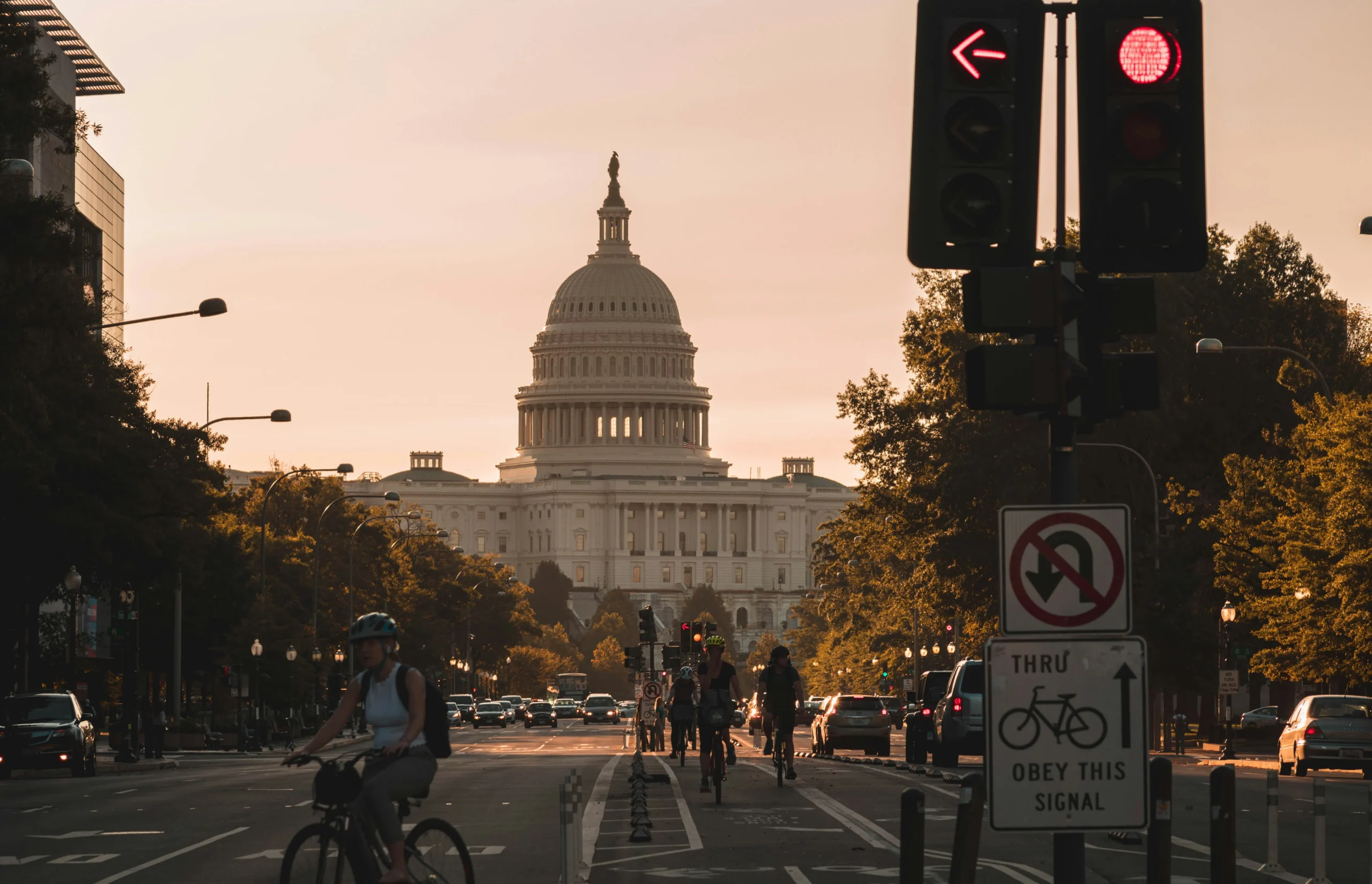
Washington DC bucks trend of US tourism decline with record visitor spending
North America

A look back at November’s IBTM and how event formats are “festivalising”
IBTMWorld

US airports face potential closures amid government shutdown
Business Travel

The countries with the highest business travel spend in the world
Business Travel
More like this