I once had a friend who sought out package tours to Albania in the 1980s when the country was effectively locked away from the world. The difficulty of access and lack of usual amenities were actually part of the attraction. Going where few men have gone before also brings bragging rights still in today’s conference world and the exotic can play well to the delegate who has been everywhere.
For some places, destination marketing can be a challenge beyond the exotic. Many destinations are labelled unfairly for past sins and getting organisers and clients to look beyond the psychological barriers is not always an easy task.
It can be more challenging than usual if your region suffers from a major problem overhanging public perception. Such challenges can range from the human, such as visa issues and security problems, to natural disasters which can temporarily cripple a destination’s business tourism effort.
Volcanoes and tsunamis are recent violent acts of nature that have given destination marketeers in Iceland and Japan, particularly, plenty to think about. CMW picks out a selection of destinations that have battled with negatives and, in most cases, turned them into a positive re-marketing campaign.
Here’s the first in the series:
Colombia
Colombia, the fourth largest state in South America, is working hard to change international perceptions of the country. For many in the country’s largest potential meetings market, the USA, the shadow of the narcomafia of the 1970s and ‘80s still casts an anxious shadow.
Colombia has always had significant natural resources and its diverse culture reflects the indigenous Indian, Spanish and African origins of its people. However, it has indeed been ravaged by decades-long violent conflict involving outlawed armed groups, drug cartels and gross violations of human rights.
Since 2002, the country has made real progress towards improving security. The Government has been leading vigorous efforts to rebrand the country and shake off its image as a trouble spot associated with drugs and kidnapping and it says major advances have been made in security and economic development. It said in early 2012 that 94 per cent of the country was safe for travel and that only six per cent of its territory was under potential threat from terrorist groups or organised criminal bands.
Proexport, the country’s international tourism and foreign investment bureau, says Colombia
has a lot to offer business tourists. Proexport’s Director Juan Perez told CMW: “We have been running a successful leisure tourism campaign and now we want to expand that information in to the meetings arena and have a new business tourism campaign to market. Colombia has
a new face and we want to change people’s previous perceptions of the destination.”
The bureau even coined a slogan: ‘Colombia: the only risk is wanting to stay’, nicely turning on its head the common misconception.
Proexport has taken the campaign to Germany and Spain where it is working proactively in the MICE arena, it now hopes to attract the UK and Asian markets.
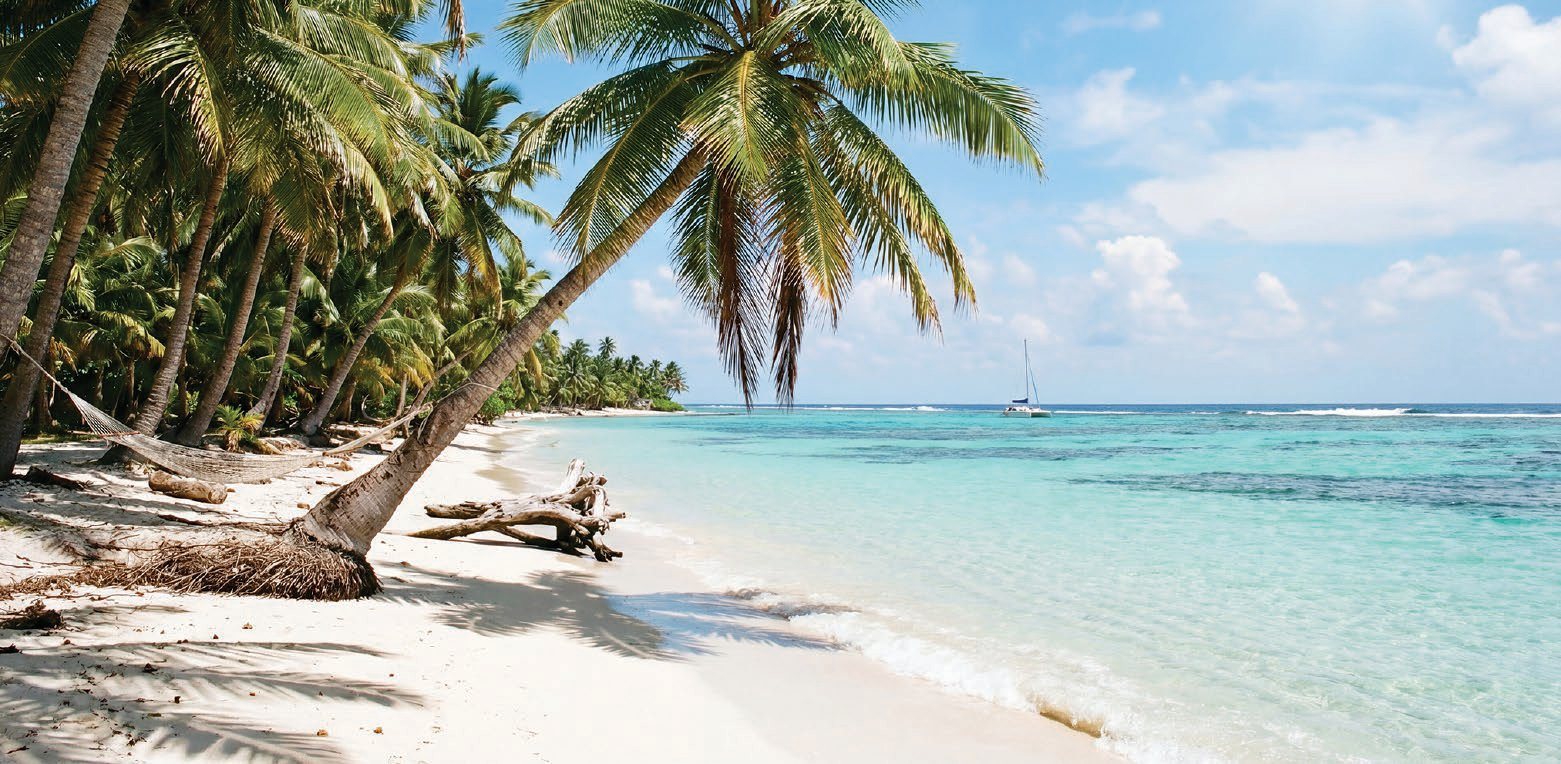
“Colombia is a tropical, nature destination full of culture and diversity,” Perez says. “We are not
a low-cost destination, but more an affordable high-end destination that is particularly attractive for incentives.”
Colombia’s main cities of Bogotá, Cali, Cartagena, Medellín, and Santa Marta, as well as the Café Triangle region (Armenia, Manizales y Pereira), are the main event destinations in the country.
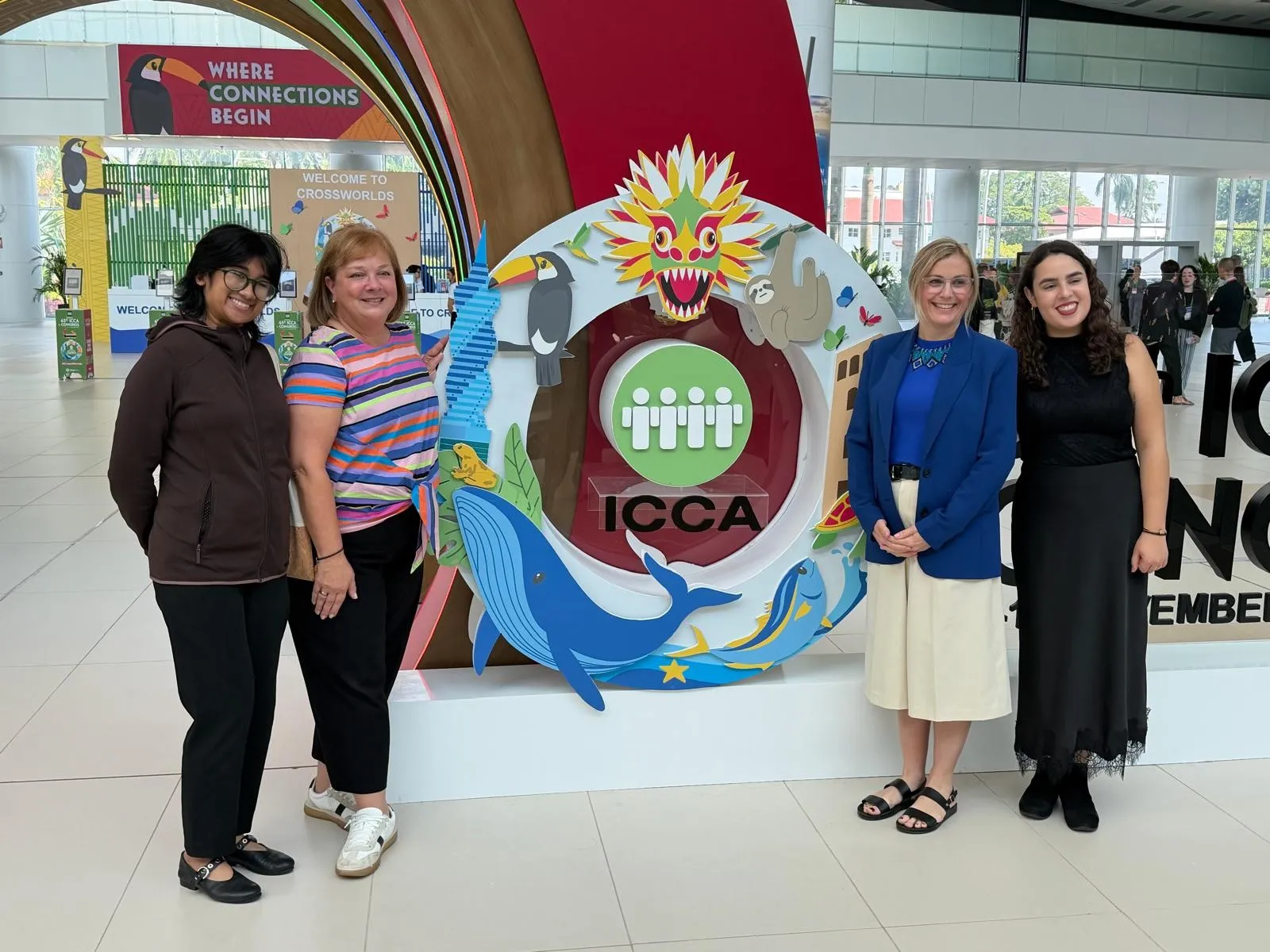
As an active member of ICCA and for the first time since the World Bank created the Doing Business report, Colombia has been ranked the third country in terms of having the best business atmosphere in Latin America.
In April 2010 Colombia became part of the CIVETS, being recognised internationally as a country of large business opportunities for multinationals and for direct foreign investment.
The World Economic Forum Latin America 2010 and the 50th IDB Governors’ Assembly in 2009, are examples of large events the country has previously hosted.
Airlines fly directly to the country from the USA and from Madrid and Paris in Europe. Proexport hopes that in the future new routes will be added to include direct services to London.
Next week, Part II. Any comments? Email cmw@mashmedia.net