MPI correspondent Paul Cook shares how the association is keepign an open and diverse mind for events: After a trip to Costa Rica, I found myself reflecting on the vast range of flora and fauna that all have a place in their hugely diverse ecosystem. Every giant creature or tiny insect plays a vital part. Diversity is just as essential in events, particularly if meeting professionals hope to elevate experiences.
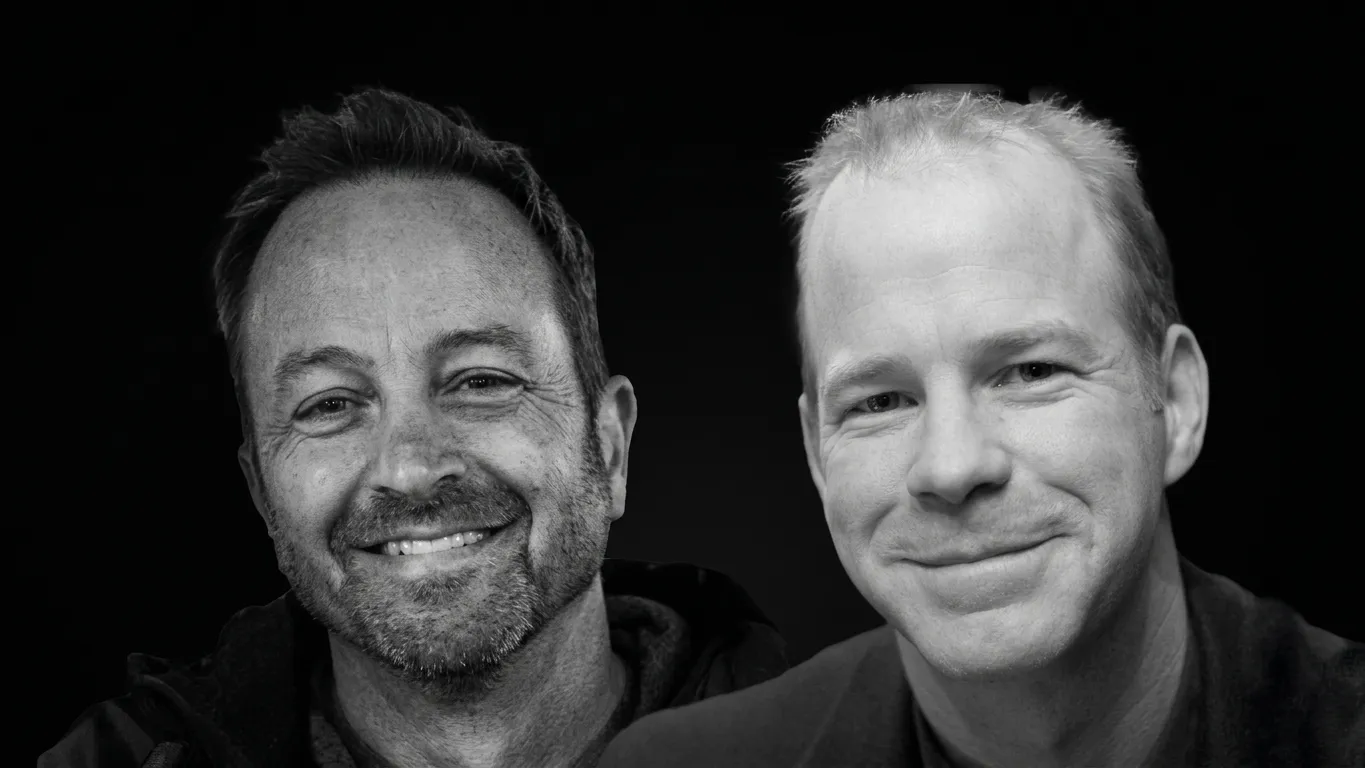
Paul Van Deventer, president and CEO of MPI, says the association’s founder members, over 50 years ago, ensured that the foundation of the association would be built on “an unwavering commitment to inclusivity and diversity and a steadfast dedication to social responsibility”.
Principles of Professionalism refresh In 2024, a group of volunteer leaders shared concerns that some of MPI’s practices, systems, and communications were creating barriers to increasing diversity. This led to the formation of a working group to identify improvement opportunities. As a result, MPI’s Principles of Professionalism were refreshed, including clearer language on inclusion, diversity, and social responsibility.
Van Deventer says: “Inclusivity is at the heart of the events space and will remain core to MPI’s ethos. We are excited to continually introduce changes to lead to a better, safer, more inclusive global events community and greater opportunities for you to thrive.”
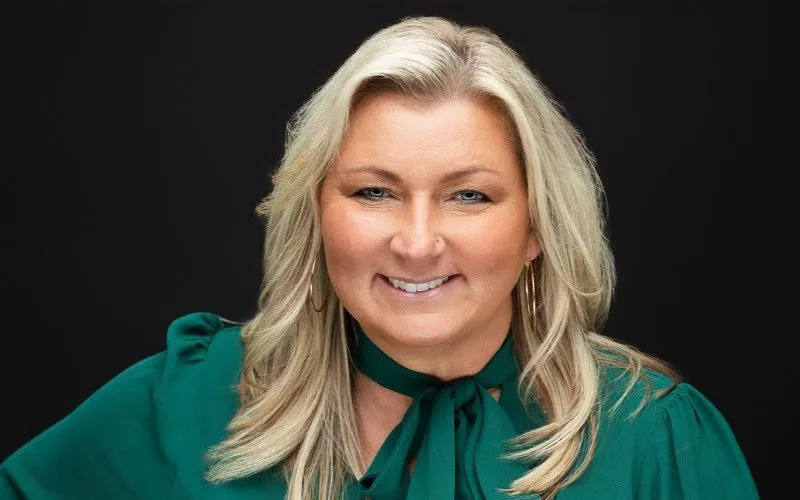
Leanne Calderwood, CMP, agrees: “Introverts and thoughtful professionals make great meeting planners. They are strategic, deep thinkers and detail obsessives. But in an industry powered by relationships, connections matter. So, even if networking feels like climbing Mount Everest in flip-flops, we still have to do it.”
Her comments highlight the need for meeting professionals to consider whether their programmes cater to everyone. Networking, for example, has long been an activity where attendees are expected to talk to each other regardless of whether they are neurotypical or neurodiverse. This can produce profoundly differing experiences.
The good news is that there’s a developing recognition that events must evolve, and people like Calderwood can show the way. MPI’s 2025 World Education Congress (WEC) takes place 18-20 June in St Louis, and she’ll share her insights.
Also, at WEC, Dr Temple Grandin’s keynote will herald the benefits of neurodiversity in the event industry. Dr Grandin (pictured) has shown us that there is space for every kind of thinking.
As a child, Temple Grandin didn’t speak until she was four years old. Doctors during the 1950s didn’t understand autism, so diagnosed her with brain damage. Over time, she received a Ph.D. in Animal Science.
Grandin’s autism causes her to experience the world visually, which she explains in her bestselling book, Thinking in Pictures. In her keynote, ‘Great minds are not all the same’, Dr Grandin will discuss the various ways in which people think and find solutions in work and life.
“It is important to develop the person’s strengths,” Grandin says. “Object visualisers, like me, are skilled at art and understanding mechanical devices. The spatial visualisers are good at mathematical pattern thinking.”
Dr Grandin argues that people who view the world differently can shine in this industry. There’s room for every kind of thinking. You just need an open mind.
If you want to learn more about diversity, the Inclusive Event Strategist programme through the MPI Academy is available.