Project Griffin, a police-run initiative advising businesses on counter-terrorism issues, held its annual seminar earlier this week. CMW’s sister magazine EN reports the key lessons. The free-to-attend seminar (held at ExCeL London on 25 August) began with a short welcome from ExCeL London CEO David Pegler, who acknowledged that over the last 12 months: “the world has become a more uncertain place”. The bulk of the seminar was chaired by David Parkes of the National Counter-Terrorism Security Office (NaCTSO), who ran through some of the ways that businesses could protect themselves against domestic and international terrorism. Here are four things we took away from the event: THERE ARE MANY TYPES OF TERRORISM… Parkes highlighted the fact that, while it is terrorist organisations such as ISIL that often make headlines, there are also many other potential terror threats to the UK. This could include ‘lone actors’, extremists in Northern Ireland, right and left wing extremists and animal rights activists. Parkes also pointed out that, while terror attacks in France, Belgium and further afield clearly impact the UK, each country’s terror threat is different. He specifically pointed out that guns in particular are harder to acquire in the UK than they are in continental Europe and the US. …AND DIFFERENT TYPES OF TERRORIST With regards to ISIL, there are three distinct ways that they might incite an attack in the UK: Directing: By directly training and instructing soldier, most likely UK citizens, to carry out specific acts. Enabling: By releasing magazines and other media containing instructions for would-be terrorists on how to make bombs from easily attained supplies and how to plan and carry out an attack. Inspiring: By inspiring unconnected groups or individuals to carry out an attack. The last method is the one that causes the most concern for security agencies, with ISIL in particular using its vast funds (acquired, according to Parkes, largely through raiding the banks of conquered cities and selling oil) to create slick, youth-friendly videos and other media. BUSINESSES CAN TAKE STEPS TO DETER ATTACKS… The advice given to businesses is to work to deter attacks by not releasing information online that could be useful to potential terrorists (such as building floor plans and the locations of CCTV cameras and fire exits). Businesses can also work to detect suspicious behaviour by encouraging security staff to be proactive, for instance looking for people acting in an unusual fashion and approaching them to politely ask if they need assistance. If security staff or employees have a feeling that someone is acting in a suspicious manner, and can articulate why that behaviour is out of the ordinary, then they should consider calling 999. For less urgent suspicious they can also call the anti-terrorist hotline on 0800 789 321. …AND SHOULD HAVE A SPECIFIC TERRORISM ACTION PLAN Parkes pointed out that in the event of a terrorist attack, for instance an active shooter, protocols used in the event of a fire could be detrimental to the safety of those involved. He used the example of all lifts in a fire automatically descending to the ground floor. In the event of a terrorist attack this could place people in harm’s way. Businesses, especially larger business, should make sure that staff are aware of routes out of the building and potential hiding places should an attacker enter the building. The best practice for these circumstances is ‘Run, Hide Tell’. TO FIND OUT MORE: More information about Project Griffin and the counter-terrorism information available to businesses can be found on the NaCTSO website or the website for the Centre for the Protection of National Infrastructure (CPNI).

Guest Author
Four things we learnt at the Project Griffin seminar
Project Griffin, a police-run initiative advising businesses on counter-terrorism issues, held its annual seminar earlier this week. CMW's sister magazine EN reports the key lessons.

Comments
Comments are closed on this post.
Trending
Cvent Accelerate returns to Sydney for fifth edition
1 week ago
China Ready® Workshop to return to WTM Africa 2027
1 week ago
Qatar Event Show signals sector momentum with bigger 2026 edition and new industry awards
1 week ago
CEMA’s largest Summit registers record-breaking attendance in Toronto
1 week ago
Half of Australian travel managers can't prove ROI to their own bosses
1 week ago
Events help deliver a record A$2.3bn boost for jobs and growth in Brisbane
5 days ago
Adelaide named in world's top three emerging business travel destinations
1 week ago
Advertisement

Essential Reads
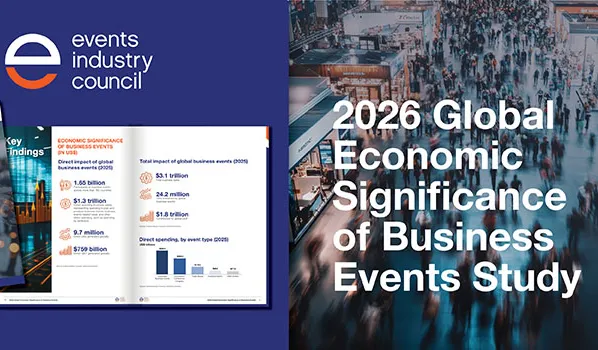
New EIC study finds business events contribute US$1.8 trillion to global GDP
Analysis
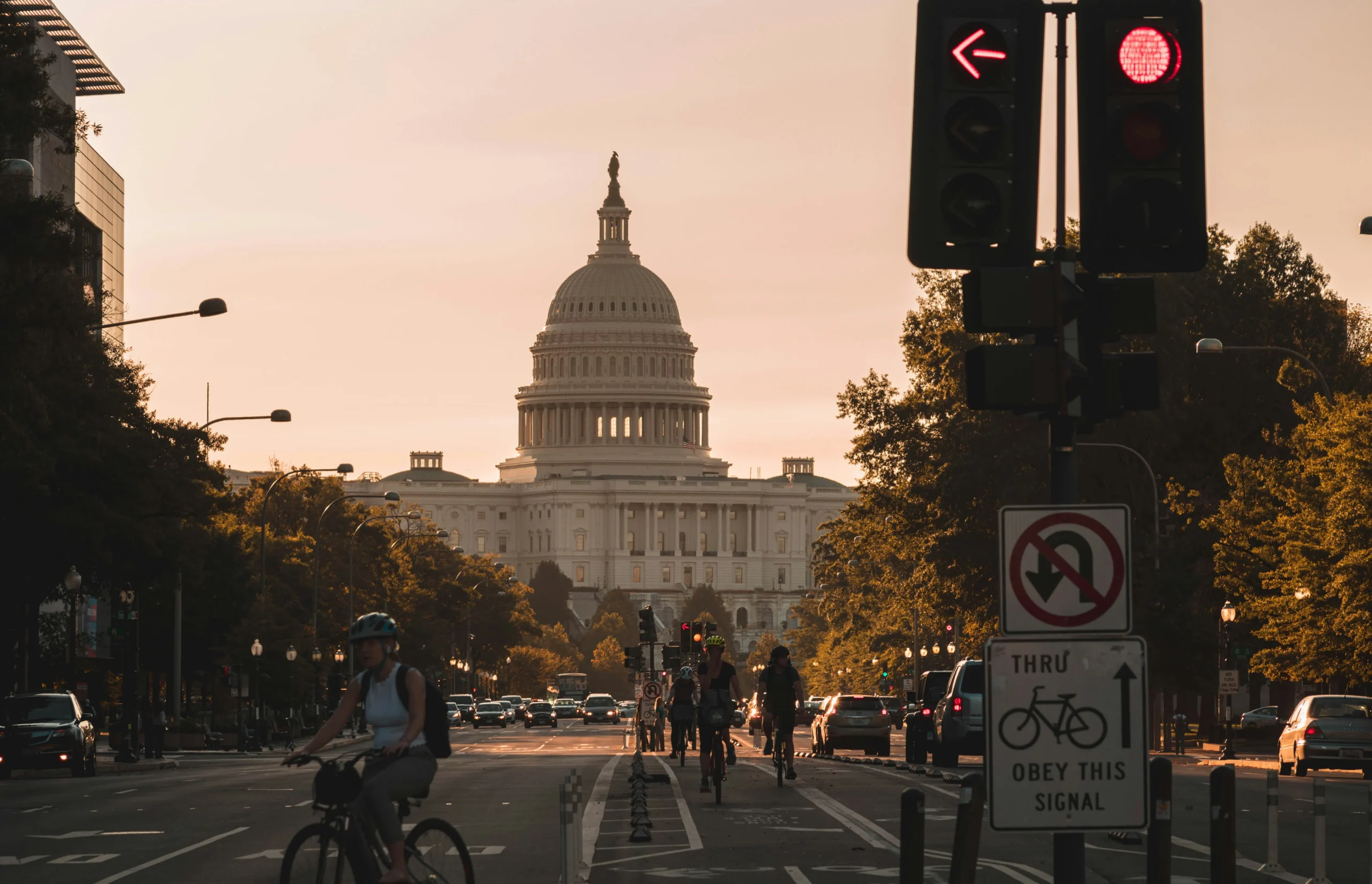
Washington DC bucks trend of US tourism decline with record visitor spending
North America

A look back at November’s IBTM and how event formats are “festivalising”
IBTMWorld

US airports face potential closures amid government shutdown
Business Travel

The countries with the highest business travel spend in the world
Business Travel
More like this