Destinations International – The international resource and advocacy for destinations – shares some tips for increasing event attendance The needs, values and priorities of event attendees are ever-changing, so to successfully drive event attendance your marketing strategies need to evolve as well. Working with destination organisations to create meaning and engagement for your events can help build word-of-mouth advertising and develop a loyal fanbase of repeat participants. Consider using the following tips to help boost attendance at your next event: Work with the destination organisation to uncover and market what is unique Work with the local destination organisation to identify infrastructural, cultural and human intellectual capital that are unique to the location. More than ever, attendees are aware of the value of their time and increasingly specific about where they choose to spend it. Creating an original and unique experience that allows attendees to connect with local content and the local community will help ensure that they leave with a sense of fulfillment and, ultimately, become repeat attendees at future events. Create an interactive, experiential and welcoming environment for all Having a deep understanding of who is attending your event will help you create an experience that drives a higher return rate. This should go beyond surface-level understanding since attendees come with different learning styles, individual needs and attention spans. Work with the local destination organisation to build intentional space into your event for both planned and organic networking, collaboration and personal decompression. This will help to maximise the experience for all participants and turn attendees into ongoing event ambassadors. Every audience is different, and meeting the custom needs, wants and learning styles of all your participants will help produce long-term success. Don’t just define the intention of your event, measure success and articulate it to stakeholders Examine the values of both your organisation and your attendees to create events that are values-aligned and offer opportunities for participants to see themselves as part of the bigger picture. Once you have defined the objectives of your event, proactively share it with all stakeholders, especially attendees. Be sure to take a holistic approach when measuring the success of the event – depending on your event goals and intentions, there are important measures of success beyond standard metrics such as attendance. Also, remember that success will look different to each stakeholder. Communicating through all stages of the event cycle will increase the likelihood that participants will feel informed and comfortable attending the event. Consider the option of co-location When planning your event, be sure to consider possibilities offered by co-location. Co-location is an opportunity to partner with non-competitive or complementary organisations to expand availability, secure prime dates and locations, decrease costs and offer attendees the opportunity to engage in multiple events at one time that could enhance their experience and benefit them professionally. Work with the local destination organisation to determine if there are potential date or pattern shifts that could provide an opportunity to maximise the success for all. These approaches will help elevate your next event, ensure attendee satisfaction and foster word-of-mouth endorsement and repeat participation for future events. n

Guest Author
How to work with destinations to drive event attendance
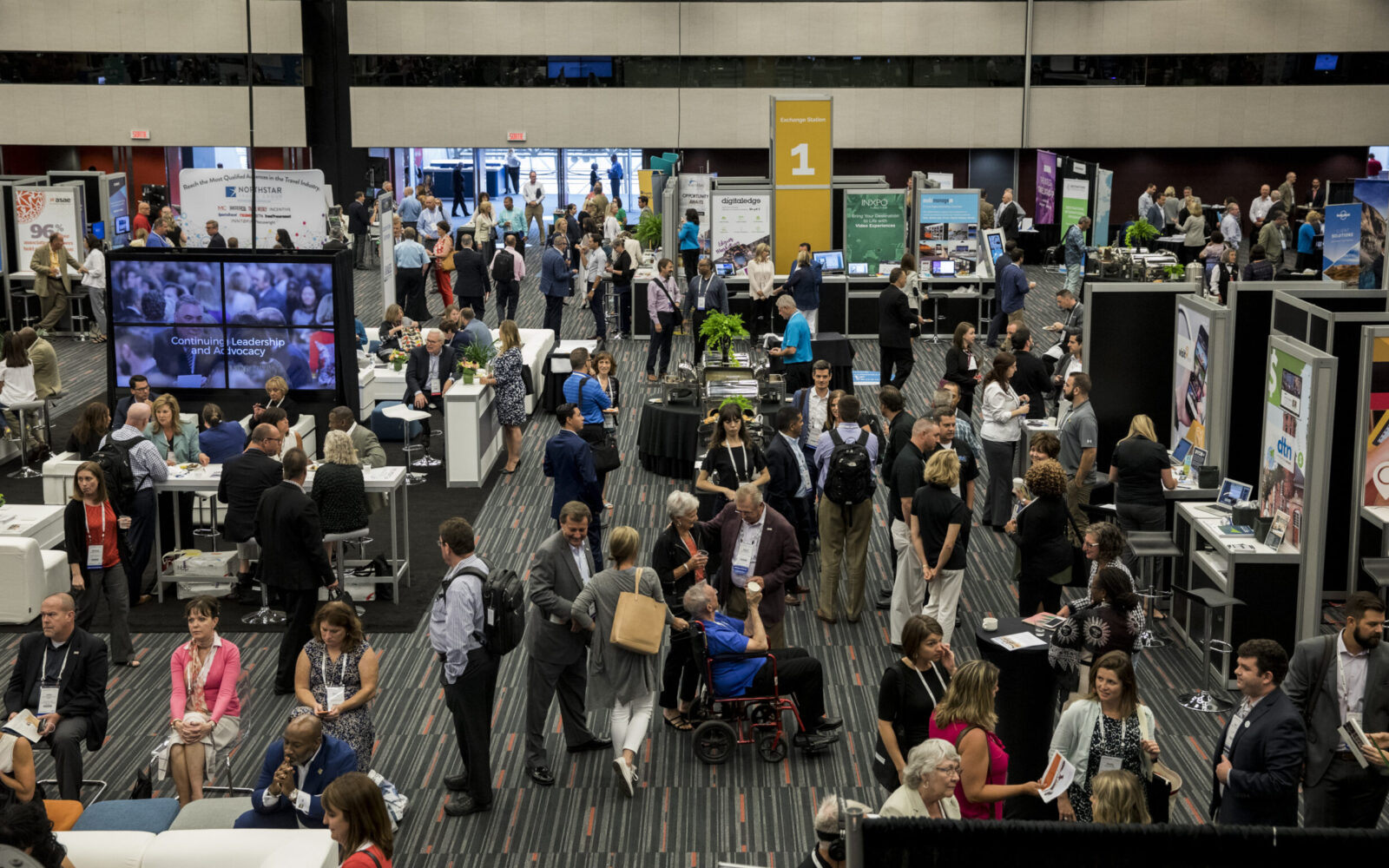
| DI_Annual-Conference-Day_003_081-scaled-1600x1000-1
Comments
Comments are closed on this post.
Trending
Cvent Accelerate returns to Sydney for fifth edition
1 week ago
China Ready® Workshop to return to WTM Africa 2027
1 week ago
Qatar Event Show signals sector momentum with bigger 2026 edition and new industry awards
1 week ago
Half of Australian travel managers can't prove ROI to their own bosses
1 week ago
CEMA’s largest Summit registers record-breaking attendance in Toronto
1 week ago
Events help deliver a record A$2.3bn boost for jobs and growth in Brisbane
4 days ago
Adelaide named in world's top three emerging business travel destinations
1 week ago
Advertisement

Essential Reads
New EIC study finds business events contribute US$1.8 trillion to global GDP
Analysis
Washington DC bucks trend of US tourism decline with record visitor spending
North America

A look back at November’s IBTM and how event formats are “festivalising”
IBTMWorld

US airports face potential closures amid government shutdown
Business Travel

The countries with the highest business travel spend in the world
Business Travel
More like this