MPI correspondent Paul Cook explores the idea of creating inclusive event environments
Designing for everyone
Is there a kind of science – or even magic – behind designing successful inclusive events? As events evolve, the answer seems clearer: inclusivity is about creating environments where everyone feels welcomed and valued.
At the most basic level, inclusivity means ensuring that all attendees and stakeholders can see and hear event content without obstruction. It means choosing plenary and breakout rooms with good acoustics and clear sound, and it means offering content in the language of attendees – something increasingly affordable thanks to AI translation.
Inclusivity also requires designing with both visible medical conditions and invisible neurological conditions in mind. And it must extend to different cultures, generations, and personality traits. The key question is: are we designing events for ourselves, or for the full spectrum of our attendees?
Beyond ramps and captions
Carlos Oliveira, global events strategist with Carlos Oliveira Events, puts it plainly:
“There’s a growing recognition that true inclusivity isn’t just ramps and captions but about designing environments where people of all cognitive styles, sensory needs and lived experiences feel welcome, supported and able to thrive.”
Legislation is supporting this shift. The European Accessibility Act (EAA), which came into force on 28 June 2025, is a prime example. Its focus on digital accessibility applies to any organisation, anywhere in the world, that hosts an event or provides services to an event in the European Union.
Food, culture, and place
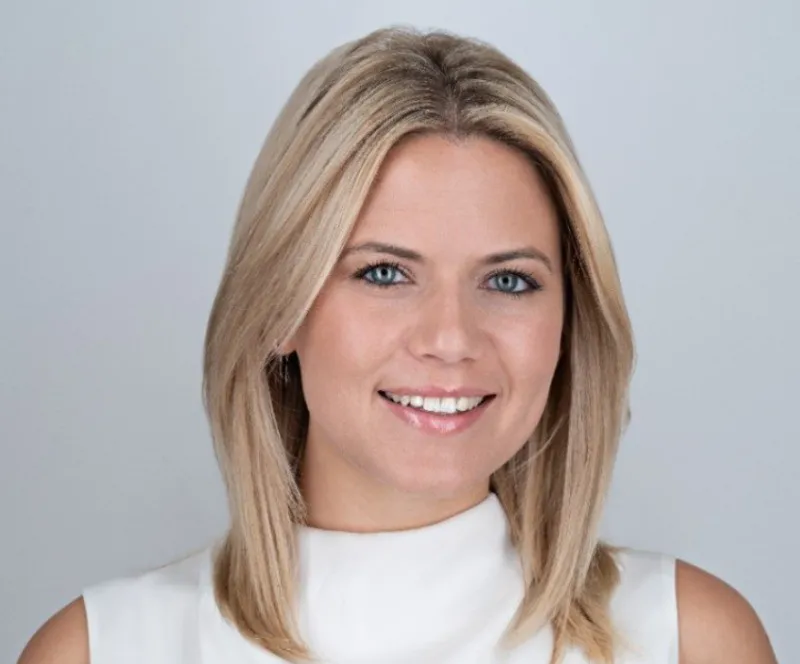
Food and beverage are also part of the inclusivity conversation. Jenny Ng, CMP, event planning senior manager for National Co-op Grocers, highlights the growing attention on food inclusivity:
“I would love to see full ingredient labelling become standard practice.”
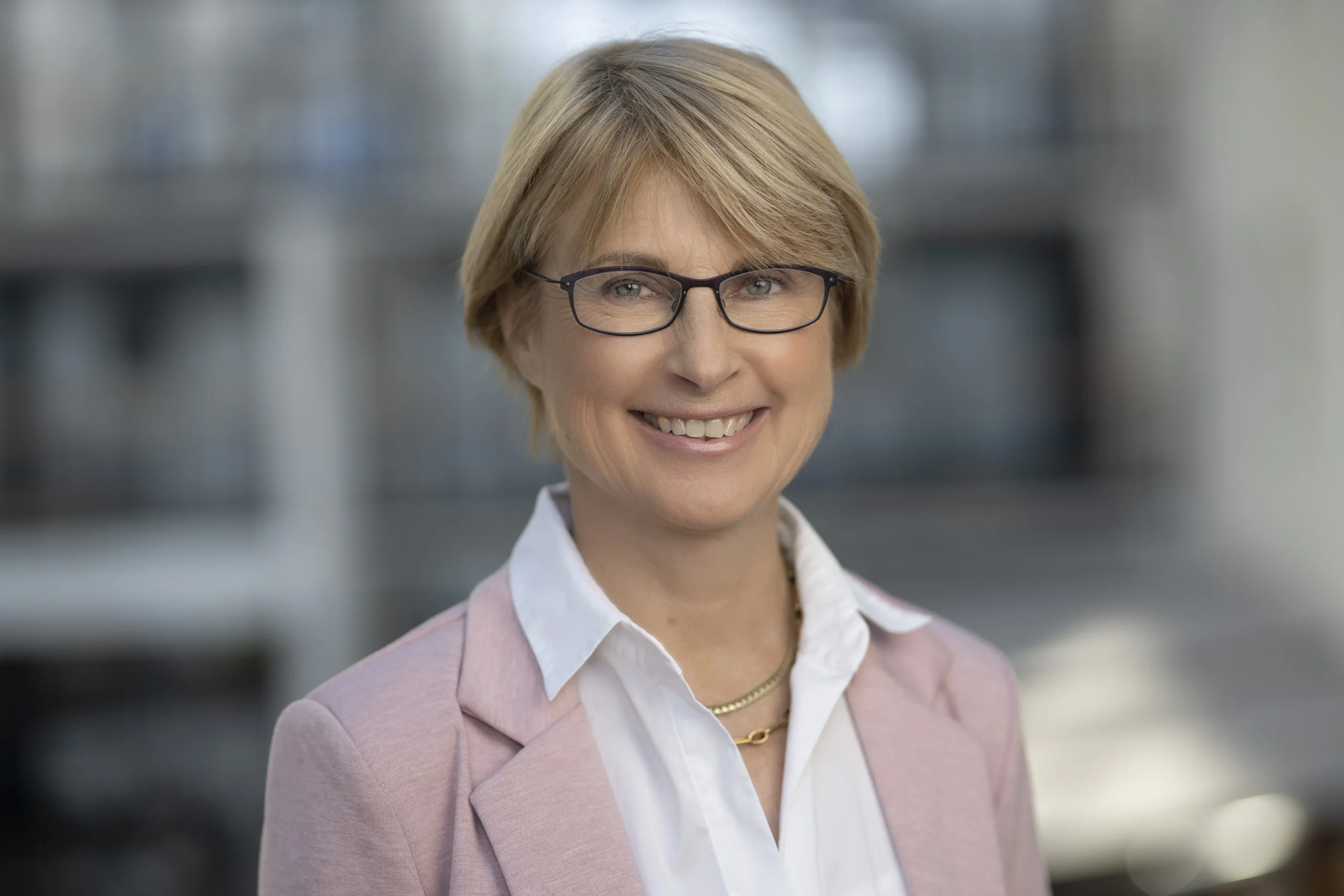
Meanwhile, place-based inclusion is gaining traction. Khris Baizen, senior director of production sales for EnCore, explains:
“It’s about honouring the cultural and historical stories that were already there, long before our networking happy hours and hashtags showed up. Truly inclusive events don’t just connect people but respect the ground they stand on and the people who’ve cared for it.”
Building belonging
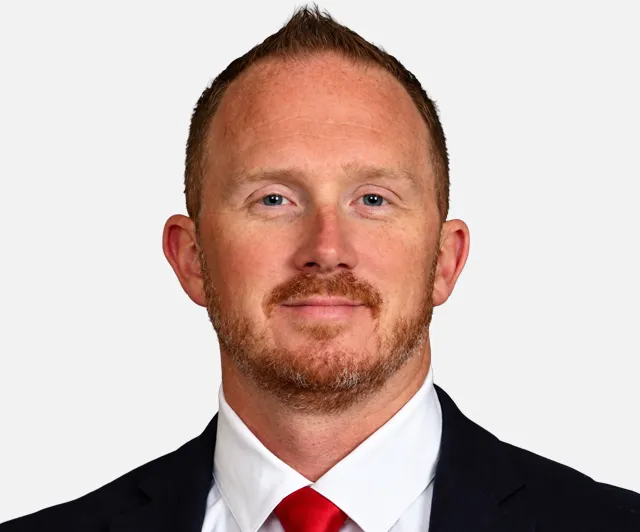
Gary Murakami, vice-president of global sales and industry relations for Teneo Hospitality Group, adds:
“Leaders in today’s meeting industry are building experiences grounded in equity, inclusivity, and belonging; they’re creating inclusive events that acknowledge the complex world we’re living in.”
No tricks, just values
There’s no single magic trick to creating inclusive event environments. The solutions already exist: by valuing differences, event organisers can design spaces where all participants feel supported, respected, and empowered.
All contributors featured are members of MPI’s Equity, Diversity & Inclusion (EDI) Advisory Committee.