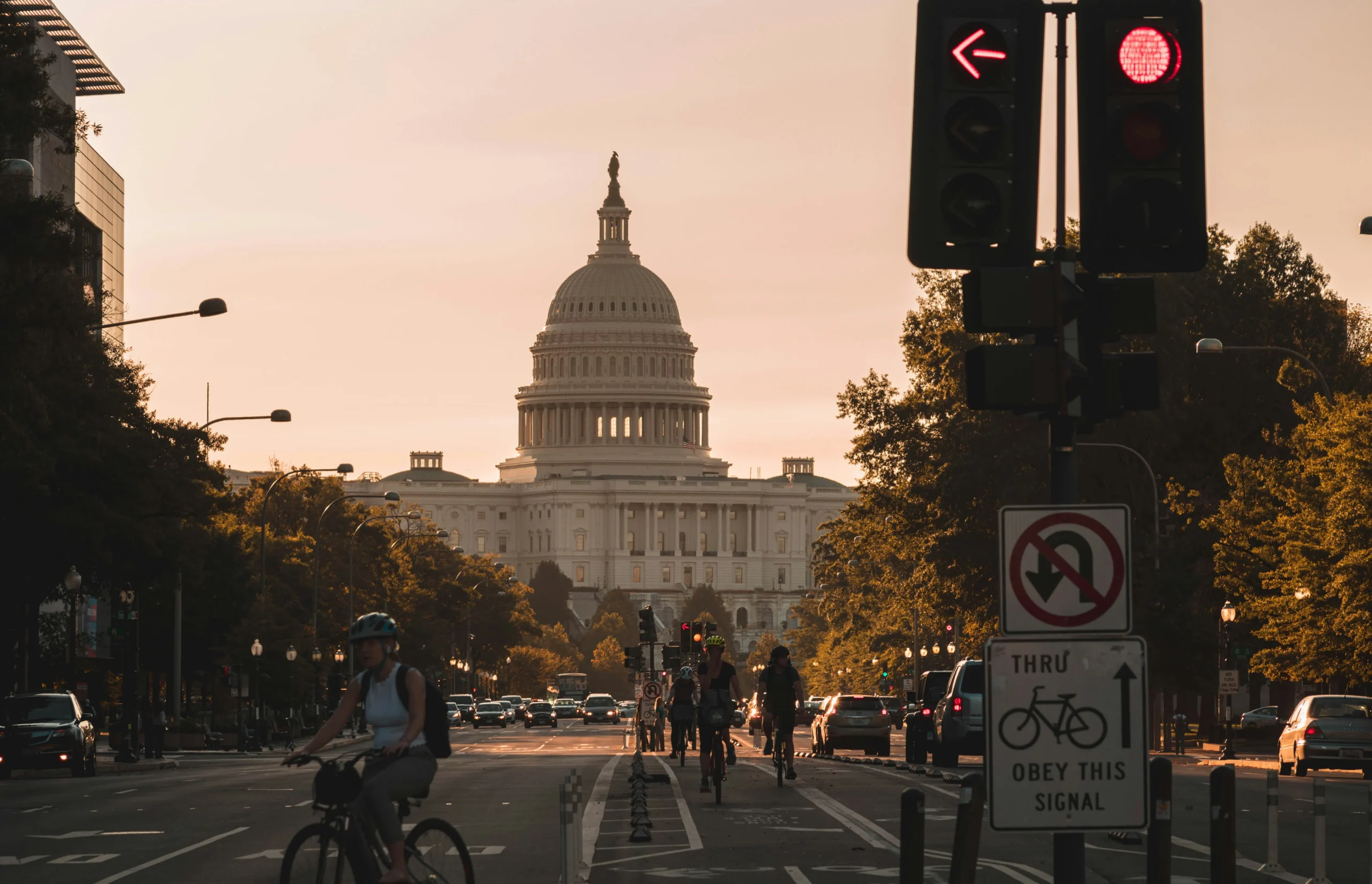
Paul Cook asks if we even understand the true value of event legacy

Paul Cook
What even is event legacy? A term that’s so widely used in the events industry should be simple to explain. But, depending on who you talk to, it can mean different things. These differences can lead to misunderstandings, but they can also lead to new opportunities. What does event legacy mean to an event planner, a supplier, or a destination? Is it even a problem if the events industry uses the term ‘event legacy’ so loosely? Maybe there are some upsides: in the spaces between those definitions where a host of opportunities for event professionals could lie. What’s clear is that event legacy provides both opportunities and challenges, depending on who you are talking to. But the danger is that, without context, it could become an overused term that ultimately gets zoned out as white noise. Event legacy is often connected to mega-events such as the Olympic Games and the FIFA World Cup. Linda Nilsson-Aro, head of the Hospitality Desk at IIHF Hockey World Championships 2023, believes that mega-events leave lasting effects in terms of infrastructure improvements, economic development, cultural shifts, and social changes. The host cities construct stadiums, tourism infrastructure, transportation systems, and other facilities, with the expectation that these will form a legacy benefit for the city long after the event has ended. However, she also recognises that this doesn’t always happen. She says: “After the event, some developments may not be utilised and it’s critical that, at the very early stages, event legacy needs to be taken into account. Doing this makes the whole project more sustainable and brings added value for future events to come.” Her comments align with those of Vanessa Lovatt, strategy consultant at Financial Times who cites the importance of taking actions to enhance an event’s legacy, rather than hinder the attraction and accessibility of a destination. Lovatt says that “event legacy is a phrase that should fill the industry with pride, as it signifies the lasting impact our work has on destinations”. The Birmingham 2022 Commonwealth Games – One Year Post-Games Evaluation Report published in March 2024 shed some light on that host destination’s legacy. However, it’s interesting that, while legacy is mentioned throughout the report, it doesn’t appear as a separate section. Possibly this is because event legacy doesn’t fit neatly into a neat box because of the multitude of ways it can have an impact. What is clear from the Commonwealth Games evaluation is that there are positive legacy impacts for the area and the local population. Gail Tomlinson Short, head of business development, Warwick Conferences, University of Warwick in the UK, supported this by sharing a sporting example of event legacy. She says: “British wrestling held their pre-Commonwealth Games training camp at Warwick and then stayed with us during the Games. Fast-forward to today, and there are three new community wrestling groups in the city. These are based in areas of the city that have diverse communities.” Now, to me, that’s legacy; a positive impression has been left!” It’s not just about mega-events though. Shawn Cheng, senior project manager at Spark Event Collective, shares his perspective on event legacy: “I think that event legacy and legacy impact are two different things.” In his view, event legacy is all about what the event means to the attendees and other stakeholders, while legacy impact is about what happens to the host destination. He continues: “An example of event legacy I always like to refer to is the SIGGRAPH Conference. It is an annual gathering for computer graphics and interactive technologies. This conference has been held in Vancouver, British Columbia (BC), multiple times since around 2011. It has not only created a significant economic impact on room blocks and direct spending but also inspired a whole generation of young talents in BC to get into the industry.” The consequence is that now Vancouver is considered a hub for computer graphics and animation. It’s an interesting view. People come to events for many different reasons. If the event can continue to provide reasons for people to be at “the place to be”, that is also event legacy in play. Does Cheng’s view make sense? I think it does. You only need to think of your favourite trade shows and conferences and ask yourself why you go to them year after year. It’s easy to attribute this to the event legacy that has been created in attendees. Lovatt shares an example of attendee event legacy in action. “I think of Cannes as an event destination rather than a property industry destination. However, for people attending MIPIM, the trade show for the property industry, you might associate the destination with your industry, but people outside your industry probably wouldn’t.” Whatever your view on event legacy, it’s important that you clearly explain it. Doing so will make it much easier for people to see your perspective. Knowing how you have defined it will help your discussions, whether you are using an event’s legacy to pitch to investors or gain government funding. It is also important to be mindful of what an event’s legacy means in terms of time. Are you defining the legacy period as one year, three years, or something much longer? Event legacy is a powerful factor from which all event professionals can benefit. It may not be easy, events are fast-moving, and the next one is always due imminently. However, taking the time to review the potential event legacy will, at the very least, provide more stories that the industry can use to empower future events. If we want to develop the potential of event legacy, now is the time to share our discoveries. Mega-events will only take us part of the way toward making effective arguments for the value of the event industry. Let’s look at everyday events and discover their value as well. Remember though, it’s not all about the money, but making a positive difference to the lives of people attending as well as adjacent our events. Event legacy can be incredibly valuable to the communities in which we live and work now and in the future.
Comments are closed on this post.