The legacy of Glasgow 2014 has been hailed as ‘rocket fuel’ for this summer’s Commonwealth Games, with a senior 2026 team member saying it has enabled delivery at record pace and on a ‘boutique’ budget. It is an approach that could reshape how future major events are planned and delivered.
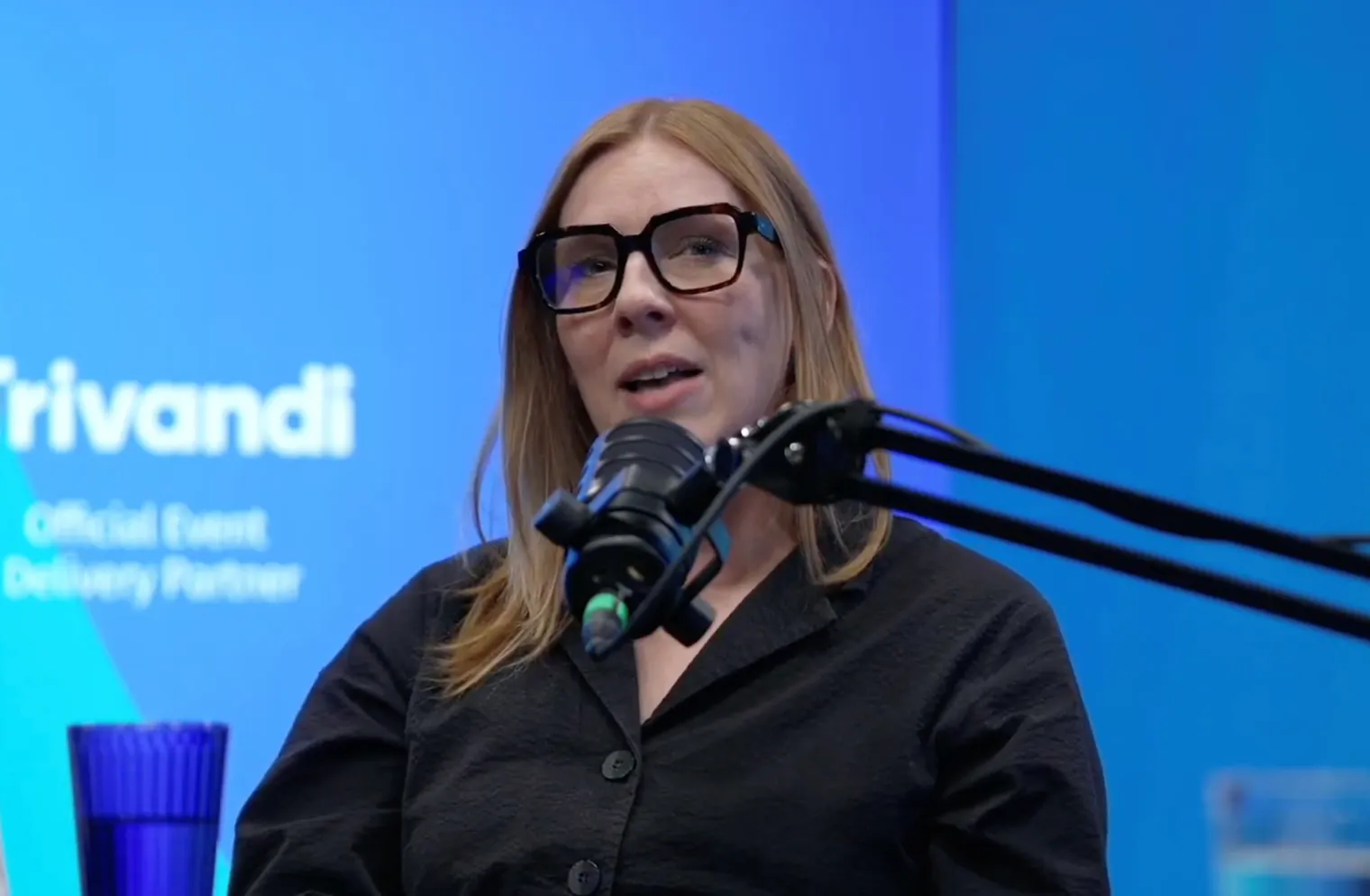
Speaking on the recently launched Behind the Games podcast from official event delivery partner Trivandi, chief marketing officer for Glasgow 2026, Louisa Mahon said the first-class venues, talent and sense of community that 2014 left has created ‘muscle memory’ in the city that has been critical to delivering this year’s Games.
Taking place 23 July-2 August, Glasgow 2026 will be the UK’s biggest multisport event this year, welcoming 3,000 athletes from 74 nations and territories.
Louisa Mahon said: “I always pay tribute to 2014 – the incredible Games that took place that year has been the rocket fuel for what we’re achieving this time round. We were able to build upon first-class venues, which have been maintained really well. Day to day, they are the home for incredible sport that takes place in the city for the incredible events that followed Glasgow 2014, and what that has done is built amazing muscle memory.
“This is a city that has incredibly talented people who know how to make an event work in a very short space of time and, with a very boutique budget.”
She added that the city partners were united and the business community prepared.
“We have seen on the street our retailers, our hoteliers, all of whom have helped us craft this new model… athletes living in hotel hubs and being part of local neighbourhoods, and we have seen those neighbourhoods coalesce around that. So that has made it much easier for us to come in and do what we’re doing in such a short space of time.”
Trivandi chairman and co-founder Paul May was part of the senior management team for the Organising Committee of the London 2012 Olympic Games and Paralympic Games and has worked on a range of other high-profile events and mega projects since then, including the FIFA World Cup and the Birmingham 2022 Commonwealth Games.
He said: “During the Glasgow 2014 Commonwealth Games, the city came to life – to a large extent because of the people – and there’s another opportunity to do that here. This is a brilliant city to be able to host major events, it has a great character, culture, personality. Through the work we’re doing together, we can enable and create a platform for that, which is going to create a brilliant experience for everybody.
“What we’re doing here is very compact, very authentic within a city environment, and it will create a model which will inform future events. I think the India Commonwealth Games in 2030 will learn a lot from this.”
“Glasgow 2026 will create that opportunity for the city to remind itself how brilliant it is at hosting events,” May added.
Behind the Games is a six-part podcast series that will provide an in-depth look at how Glasgow 2026 is being delivered in record time and how it will go on to influence the future of major events. You can listen to the podcast in full by searching for ‘Behind the Games’ on all major platforms, including Spotify, YouTube, and Apple