Historically Scandinavia, the cultural-linguistic region in Northern Europe, has referred to the three kingdoms of Norway, Denmark and Sweden.
More recently, Scandinavia has been used unambiguously as a synonym for the Nordic countries, comprising Denmark, Norway, Sweden, Finland, and Iceland, including their associated territories (Greenland, the Faroe Islands, and the Åland Islands).
Although the Nordic countries have much in common in their way of life, history, language and social structure, one major difference is their approach to the MICE and events industry.
Founded in 2009, the Swedish Network of Convention Bureaus gathers representatives from the 20 cities throughout Sweden that together strategically in communicating and marketing the advantages of hosting a meeting in Sweden.
The cooperation between the bureaus involves securing quality in services throughout the country and knowledge exchange in order to jointly develop the meeting industry of Sweden. Each city is also backed by a joint vision between politicians, the business community and the universities.
From explosive springs to ice cold winter landscapes, to the Arctic wilderness of the far north, cool urban fashion and five star culinary adventures, Sweden offers a wide range of opportunities and a great location for all kinds of meetings and events.
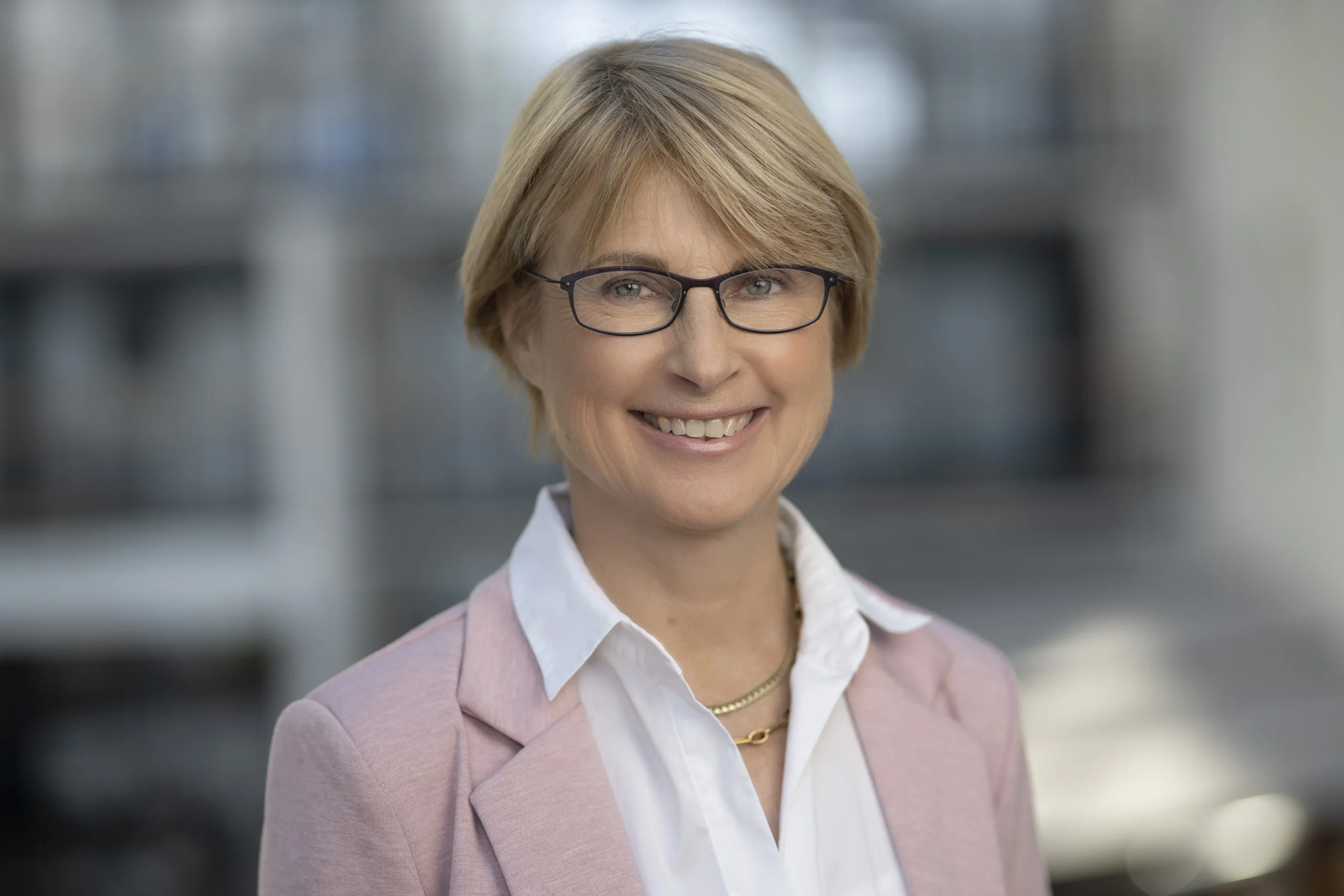
Anna Lindström, manager of Uppsala Convention Bureau says: “There is no doubt that professional convention bureaus are playing an increasingly important part in achieving top rankings in meeting planners minds, as a meetings country. Therefore, with the aim of making Sweden into a pioneer country in the meetings industry, a unique cooperation was born.”
Earlier this year, the International Congress and Convention Association’s (ICCA) Scandinavian Destinations Sustainability Index, developed in conjunction with MCI, received the ‘Most Innovative Project Award’ at the second United Nations World Tourism Organisation’s (UNWTO) Knowledge Network Global Forum.
“Sustainability is undoubtedly the word ‘de jour’ of the world’s meeting industry,” says Christian Bergström, marketing manager, Stockholm Convention Bureau.
“But actual sustainability can only result from a much more holistic approach where every aspect of environmental, economic and social impact is part of the equation.
“A holistic view is part of our DNA. Stockholm is a city where a century long tradition of tackling environmental issues has laid the foundations for one of Europe’s strongest and most vibrant clean tech clusters and one of the most popular destinations in Europe.”
The Swedish capital, Stockholm, has long been famed for its idyllic setting and its rich cultural heritage. The city has also built a reputation as a global centre of dynamic design, cutting edge fashion and innovative cuisine, music and art.
On the west coast, Sweden’s second largest city, Gothenburg, has plenty to offer with its vibrant entertainment scene and multitude of cultural experiences. Meeting venues, restaurants and shops are all within easy walking distance of each other and a short journey by boat will bring you to a stunning archipelago with islands to explore.
Malmö, in the far south of Sweden is the third largest city and has become a symbol of cross border diversity. Cosmopolitan and bustling Malmö is linked to the Danish capital of Copenhagen via the Öresund Bridge.
Team players
VisitDenmark, the official national tourism organisation of Denmark, is in charge of the overall branding and marketing of Denmark as a tourist destination. The organisation aims to increase the awareness of and preference for Denmark as an attractive tourism destination in order to increase growth within the Danish tourism sector.
According to Steen Møller, head of business tourism at VisitDenmark, the organisation is a corporate foundation, subject to the control of the Danish Ministry of Business and Growth.
“We’ve got a very professional meetings industry, who are team players too when it comes to attracting foreign business to the destination,” he adds.
“Open-mindedness and innovativeness is key to our local partners, which is why they’re happy to work us with and able to identify themselves with the ‘MINDblowing Meetings’ concept and campaigns that we promote internationally too.
“That concept is again based on a unique Danish meeting design concept ‘Meetovation’ – which in essence is a tangible concept including guidelines and ideas for how to exert strategic meetings management and to get the most out of your meeting or conference.”
The region’s main meetings and conference venues include Bella Center Copenhagen, Forum Copenhagen, Øksnehallen, Tivoli Congress Center and Odense Congres Center.
“The domestic meetings market compared to international is looking good and the Danish venues are getting the hang of it with new and/or renovated hotels and meeting venues popping up across the country, more trained ‘Meetovators’ available (over 300 in Denmark have finished the official Meetovation training programme in Denmark),” adds Møller.
“Short term we expect a growth in the European meetings industry of 1-3 per cent and we work hard on increasing our market share. It is imperative to be one step ahead and to focus on the destination’s first-mover advantages in the use of innovative meeting design concepts (ie Meetovation) and sustainable meetings management.
Lapping it up in Iceland
Meet in Reykjavík Convention Bureau was founded in January 2012 by the City of Reykjavík, Icelandair Group and Harpa Concert Hall and Conference Centre, and operates now with 40 associated partners. This counts for about 70-80 per cent of the MICE-market in Reykjavík.
“Because we are a young professional organisation with a broad public as well as private backing, we are flexible and dynamic and thereby have the ability to shape our future by listening and reacting to marketing trends and changes,” says Brynja Laxdal, director of marketing at Meet in Reykjavík.
“Meet in Reykjavík believes in collaboration and we support the power of joint forces with all local relevant players who work on promoting Iceland as a MICE destination.”
The bureau’s aim is to increase the number of international MICE visitors with focus on off-season and making Reykjavík one of top ten MICE cities in Europe. “We strive to make Reykjavík attractive by pushing for continuous quality improvements through survey feedback, product development and joint CSR effort.
“In addition to this we use the traditional methods of lobbying and marketing both personally and via digital marketing,” Laxdal. “One of our newest service innovations is a Meet in Reykjavik app, designed for our ambassadors and contains easy, accessible information, images and videos ready to show and share.”
Meet in Reykjavík cooperates with other Nordic countries in joint events in IMEX Las Vegas and EIBTM and share trade fair space at IMEX Las Vegas.
“We have several conference hotels and venues but the most prominent display of the city’s corporate courtship is the newly built Harpa, a combo concert hall and convention centre.” Harpa recently won the Best Conference Venue in Northern Europe award at the Annual MICE Report Awards 2012.
“We don´t have castles as our ancestors were more into building turf huts but we do have unusual sites for events such as The Blue Lagoon and Reykjavík Art Museum. Not to mention hosting a meeting in a cabin on top of Langjökull Glacier,” she adds.
High flyer
The Scandinavian frequent traveller can benefit from daily flights to destinations in Europe, USA and Asia with Scandinavia’s leading airline Scandinavian Airlines (SAS).
ICCA member SAS was formed in 1946 by the National airlines of Denmark, Norway and Sweden, and is listed on the three Nordic stock exchanges.
SAS is a founding member of Star Alliance and, together with 27 partners, offers 1,300 destinations worldwide in 193 countries. “Our main focus is supporting the work of attracting business events to our Scandinavian destinations,” says Susanne Nygaard, manager of meeting and convention sales at SAS. “Business tourism is generating travel so that’s of course interesting for airlines. In our case, as a Scandinavian Airline we benefit most if our home destinations are successful in attracting events, and in some cases one visit in connection with a conference or event can create numerous repeat visits either for business or leisure purpose.”
SAS has close cooperation with the main convention bureaus all over Scandinavia and support the work of attracting meetings and events to our destinations.
“We are very pleased that our Scandinavian destinations are popular congress and meeting cities, many are significantly placed on both ICCA and UIA rankings. This is of course due to the good venues, great convention bureaus, the professionalism and cooperation in the meeting industry here but also due to the superb accessibility and logistics including great air connections to conference cities in Scandinavia,” she adds.
This was first publsihed in issue 77 in CMW. Any comments? Email Zoe Vernor