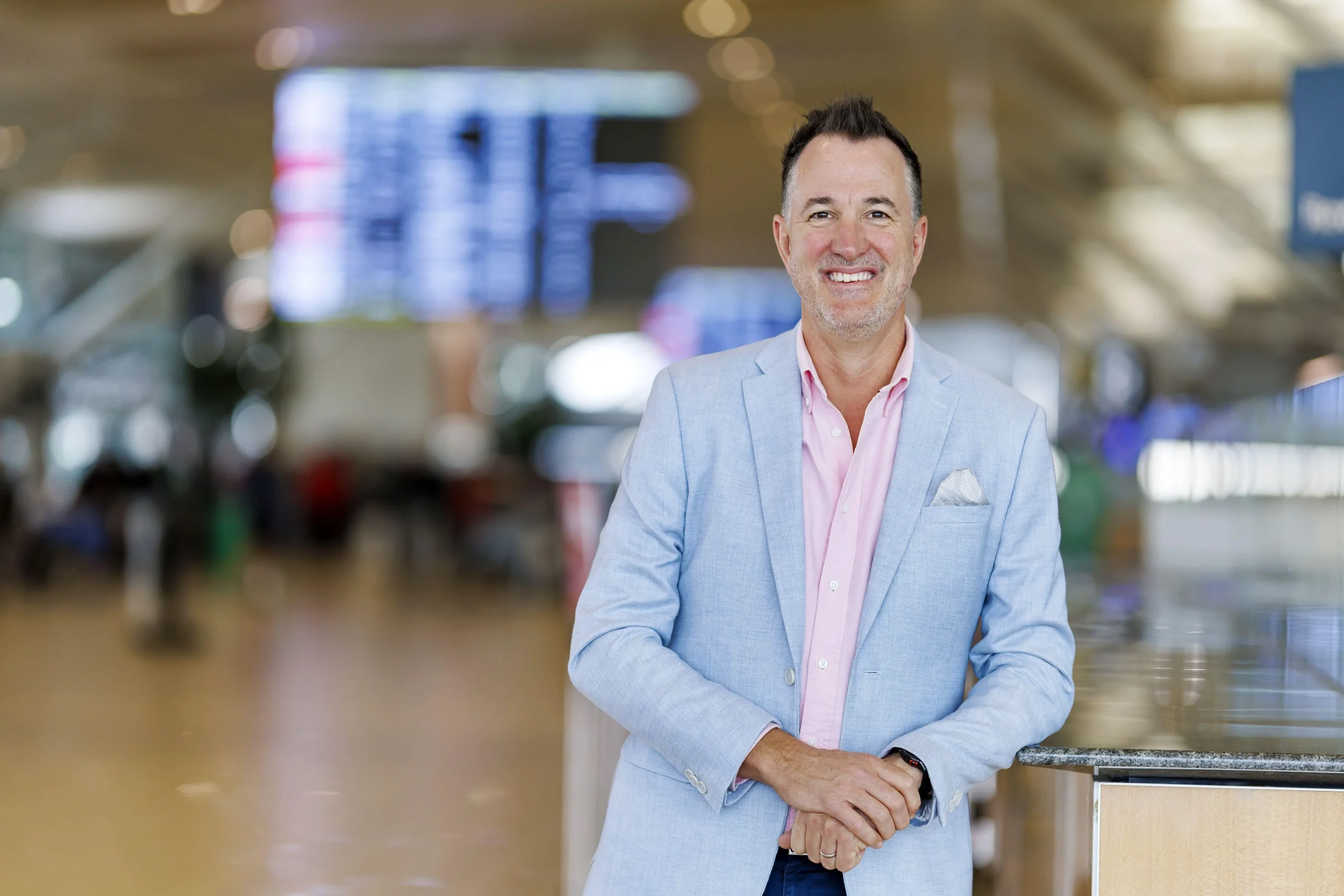
Destination Professionals Day (DPD) was marked 19 February, a global initiative created to recognise the important contributions of the destination management sector and those who work in it worldwide. From boosting economies to promoting cultural growth, destination professionals are the bedrock to not only the tourism industry itself – which was valued at $155.2bn in 2024 and projected to reach $513.1bn by 2034 – but the stability of local communities and its residents’ livelihoods. Jane Cunningham, director of European engagement at Destinations International, was in London recently to mark that date and answered some questions from CMW:
How important is the role of DMOs across the world today?
Destination organisations play a critical role in helping destinations thrive economically and socially. Beyond marketing, they bring together public and private partners to support community vitality, steward destination reputation, manage visitor demand and respond to disruptions beyond a destination’s control – in short, they are brand stewards for their destination. In an increasingly complex global environment, destination organisations are essential to building trust, resilience and long-term value for visitors and residents alike.
Why was Destination Professionals Day important to mark?
Destination Professionals Day is important for raising awareness around the essential work carried out by destination organisations and professionals around the world every day. It offers the opportunity to recognise and celebrate the people behind the work – the professionals who protect, promote and enhance destinations every day for the betterment of the local community. This is especially important given the significant expansion of their roles in recent years, requiring leadership in destination promotion and development, crisis response, community engagement, sustainability and economic vitality. Marking this day highlights the critical impact of the profession and the dedication of those who help ensure the travel, tourism and hospitality sector remains a positive force for communities worldwide.
What trends do you expect to see in this market in 2026 and what are the main challenges to the DMO community?
So far this year, I have visited Copenhagen, Madrid, Tallinn and Edinburgh, meeting with destination leaders across Europe. What has become clear – and consistent with the Destinations International DNEXT Futures Study – is that the role and relevance of destination organisations is evolving rapidly.
The themes that have consistently emerged include:
- Advocacy for sustainable tourism: As the climate crisis intensifies, DMOs are prioritising environmental preservation, ensuring they are embedding sustainability as a guiding principle across all aspects of destination management. When integrated from the outset, sustainability becomes a powerful driver of long-term resilience, community wellbeing and destination stewardship.
- Long-term planning for the future of the travel industry: To secure the next generation of destination professionals, DMOs are rethinking how they engage with young people – investing in school outreach, introducing structured pathways into the workforce, and adapting to the expectations of values-driven, tech-savvy and socially conscious Generations Z and Alpha.
- Integrating data in destination marketing: DMOs are increasingly using smart data to inform strategy, build trust and strengthen communities. By translating complex datasets into clear, actionable insights, destination organisations can engage stakeholders more effectively and support evidence-based decision-making.
Alongside these opportunities, DMOs face growing challenges. As geopolitical tensions grow, destination reputation has become a critical concern. Findings from our 2025 Futures Study show that destination professionals, such as event planners, are placing greater weight on reputation, influenced by factors such as safety, political stability and broader societal issues, when making key decisions.
To overcome this, many DMOs are working more closely with residents and local businesses to create a balanced tourism ecosystem. Through initiatives such as Vienna’s Optimum Tourism strategy that works to benefit businesses, residents and guests, DMOs are leveraging collaborative approaches to ensure tourism delivers tangible value for communities.
Overtourism remains another significant challenge. In recent years, concerns around congestion, environmental degradation and cultural erosion have prompted cities across Europe to introduce new controls. In 2024, Greek authorities announced plans for a €20 cruise passenger tax in Santorini and Mykonos, while Amsterdam banned the construction of new hotels. In 2025, the Mayor of Palma, Mallorca announced restrictions on party boats, new tourist rentals and youth hostels.
In response, DMOs are increasingly advocating for responsible tourism models that ensure the benefits of tourism are shared equitably with residents and local communities. Tools such as Destinations International’s Community Shared Values Workbooks can support open, inclusive dialogue to ensure tourism development aligns with local values and priorities.