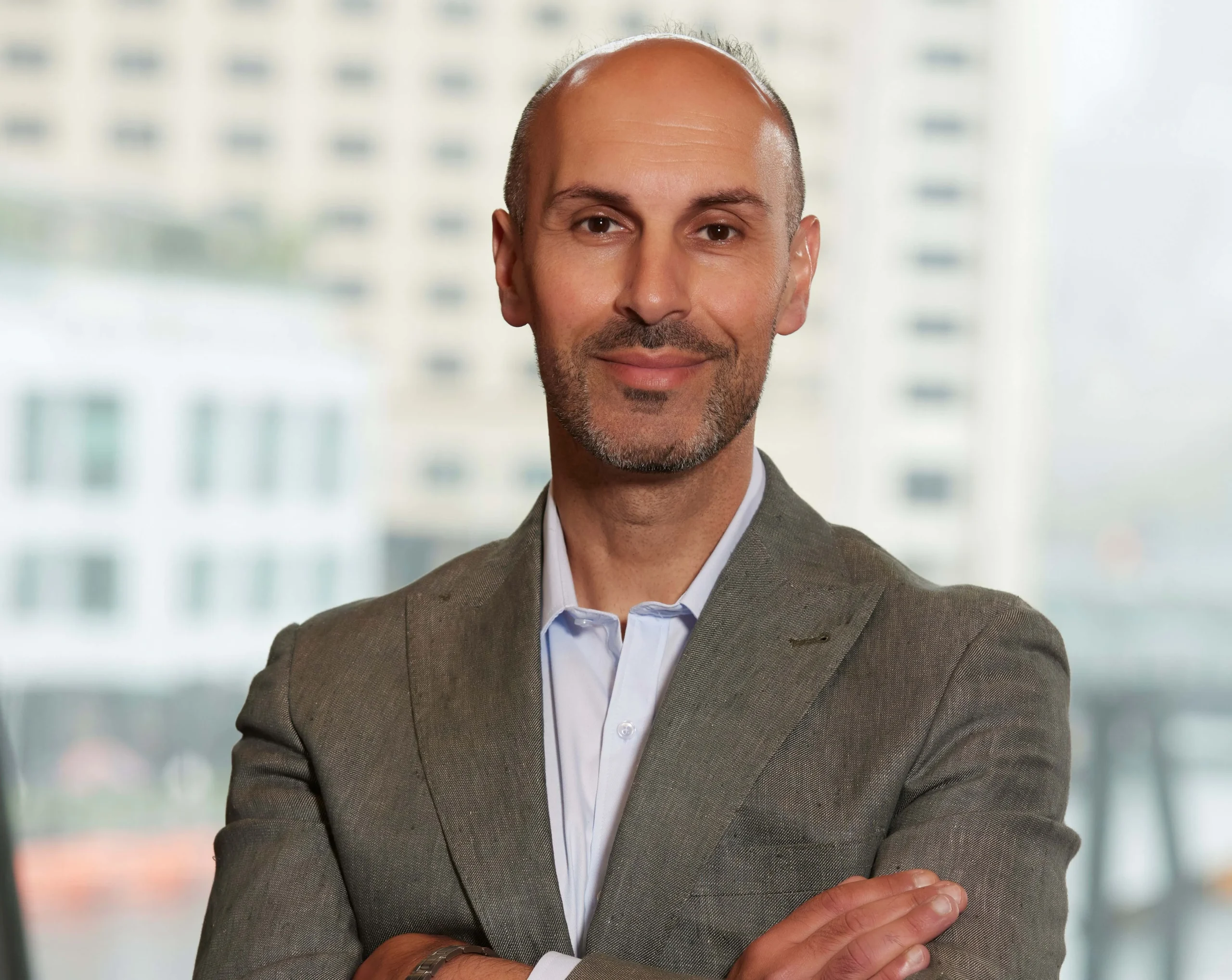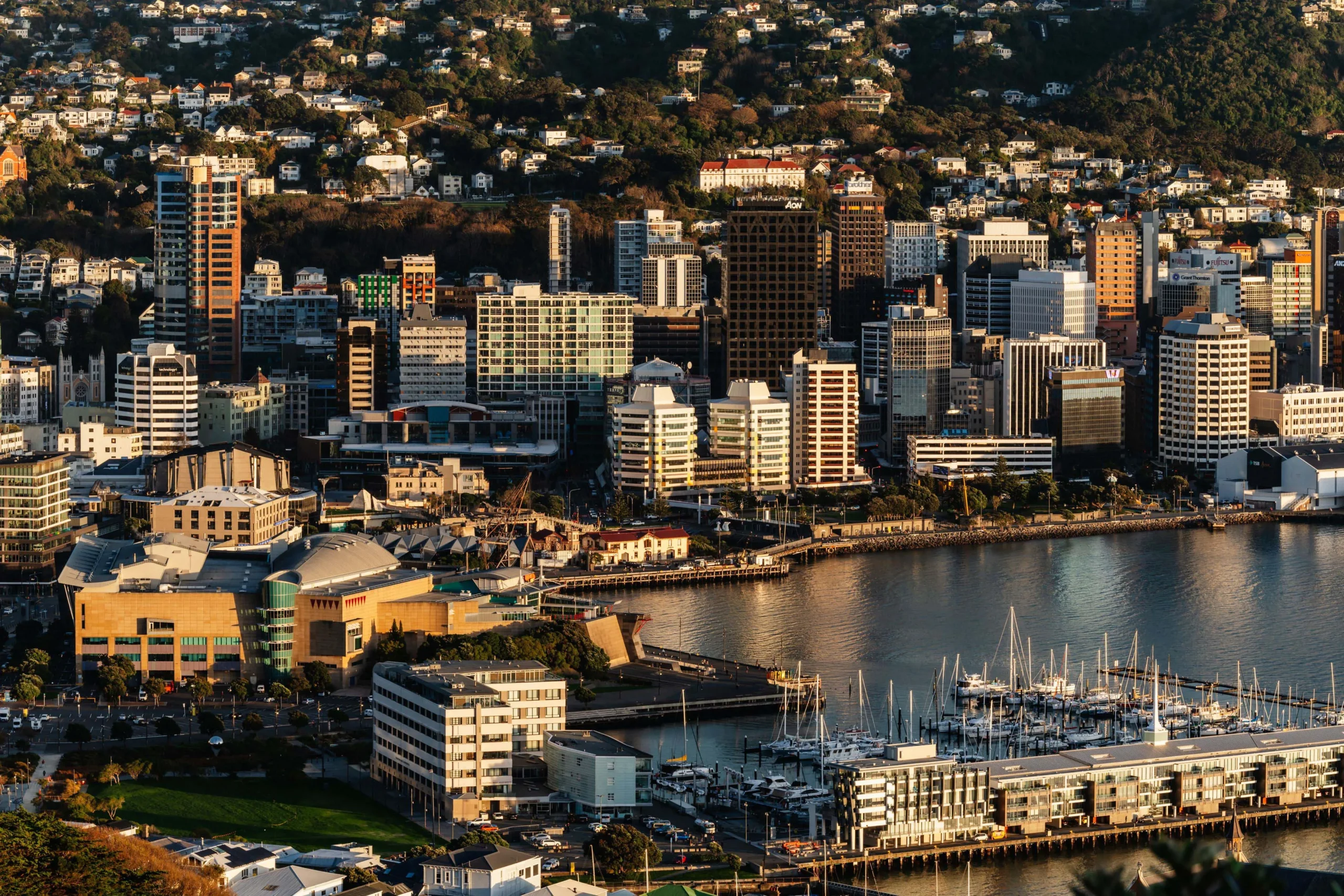
The opening of NZICC has changed what New Zealand can bid for. Tourism New Zealand‘s global manager business events, Penelope Ryan, told CMW’s Iain Stirling why capacity is only part of the story.
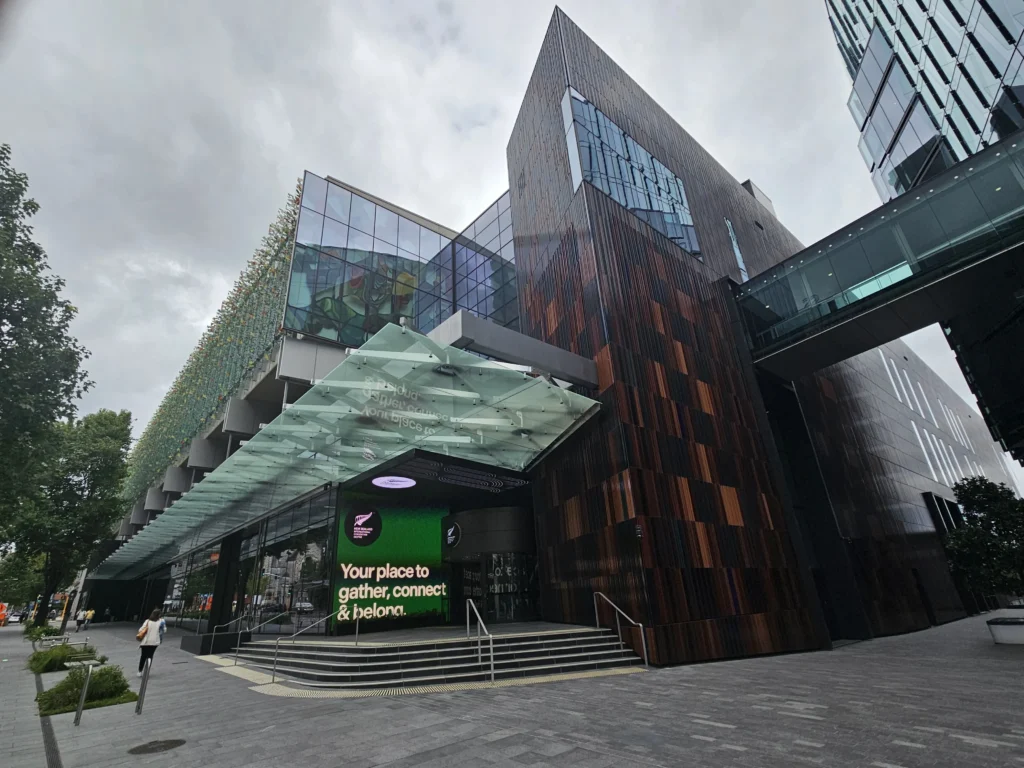
New Zealand no longer has to turn away the conferences it wants most. The New Zealand International Convention Centre (NZICC) opened in Auckland in February, and with it the country gained the ability to host events of up to 4,000 delegates.
Ryan said: “We can now cater for up to 4,000 people, which is a real step change from where we’ve been with Tākina and Te Pae.”
NZICC joins Tākina Wellington Convention and Exhibition Centre and Te Pae Christchurch Convention Centre as New Zealand’s principal purpose-built conference venues. The point, Ryan said, is not to have the three compete for the same business. It is to grow the market: more capacity across more cities, supported by specialist venues elsewhere in the country. For association planners working with delegate numbers in the thousands, that moves New Zealand off the “too small” list.
The targeting is deliberate. At national level, Tourism New Zealand is prioritising health science, agritech, engineering, technology, game development and space. Individual cities layer their own strengths on top, based on their universities, research institutions and industries.
Growing the people who win the bids
Capacity is the easier half of the problem. Most international conferences need an eligible local bid champion to front the bid, and that person cannot be manufactured at short notice.
Tourism New Zealand’s response has been the Future Leaders Fund, a grant programme for mid-career academics built with regional partners and universities. It gives participants the experience and standing needed to put a credible bid forward. The first cohort was delivered with Business Events Wellington and Victoria University of Wellington, and the results arrived faster than anyone planned for.
“We were not expecting bids within the first 12 months,” Ryan said. “But out of the first cohort that went through with Business Events Wellington [and] Victoria University, we’ve already got four bids on the table and a fifth one in the process.”
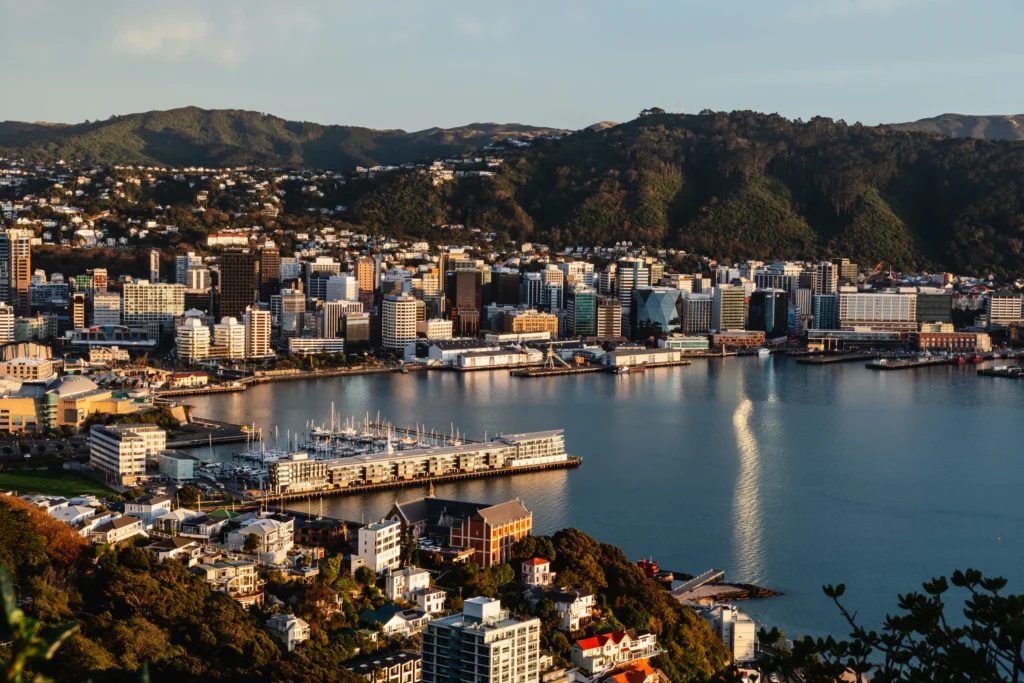
Wellington
Distance as an argument, not an obstacle
Disruption to air travel through Middle East hubs has unsettled long-haul routings across the sector. New Zealand has felt less of it than might be expected. Its largest source markets – Australia, the United States and Southeast Asia – all have direct services into the country. European delegates routing through UAE hubs are affected, but they make up a smaller share of arrivals.
There may even be an opening. Ryan sees an opportunity in the corporate incentive market, particularly from Southeast Asia, where groups that had been considering Europe are now looking further afield for somewhere perceived as stable and straightforward to reach.
Ryan said: “For some markets we are a long-haul destination, but that can help provide a real sense of a circuit breaker. You’re going somewhere different to have a really different experience.”
That distance also shows up in the numbers that matter to a destination. International business events visitors stay longer, are more likely to bring companions and spend more in-market than leisure visitors. Ryan is quick to add that the value is not only expenditure: events carry knowledge exchange, trade relationships and scientific collaboration with them.
Culture woven through, not bolted on
Sustainability in New Zealand is framed through kaitiakitanga, the Māori principle of guardianship, covering environment, culture and communities alike. It shows up in venue design – Te Pae’s food-waste approach prioritises repurposing surplus food, community distribution, dehydration and composting.
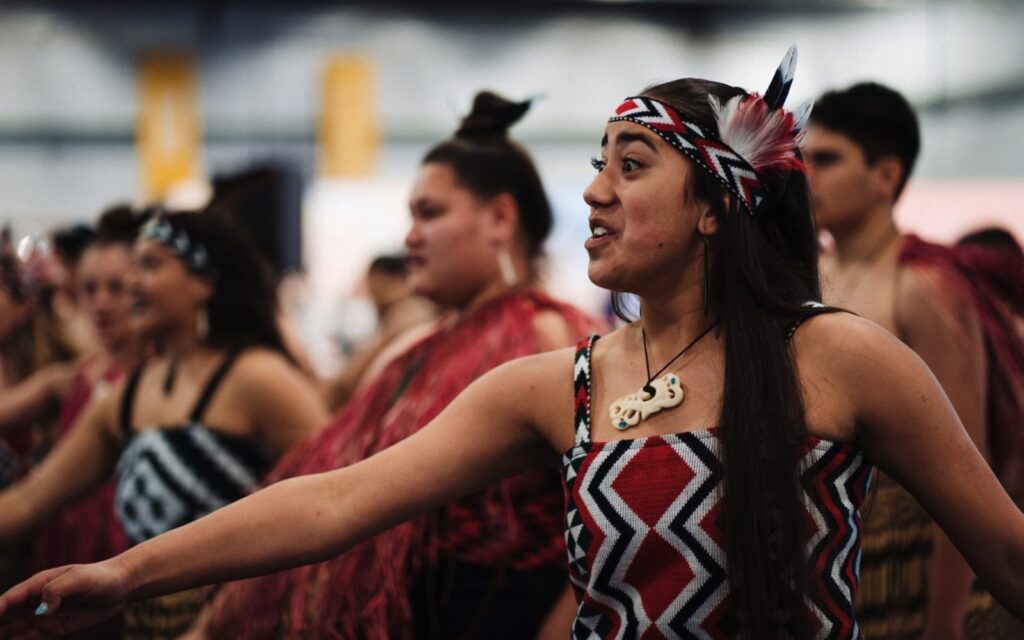
Where Ryan is most pointed is on how Māori culture is used in event programmes. Too often it is treated as a welcome ceremony or an evening’s entertainment, sitting alongside the content rather than inside it.
“It’s not an add-on,” Ryan said. “It can be a fundamental thing that’s woven through the conference.”
The IWA Aspire water conference in Christchurch is the example she returns to. Delegates visited a local marae and heard from local iwi about their relationship with water and its stewardship, bringing an indigenous perspective directly into a technical programme. Tourism New Zealand has seen the same approach applied at a rural doctors’ conference through engagement with mātauranga Māori, or Māori knowledge. The aim is not decoration. It is to give delegates a different way into their own subject.
What 2027 looks like
The forward pipeline is where the investment starts to show. Tourism New Zealand expects 2027 to be one of its strongest years for international conferences, with bidding activity continuing across its priority sectors.
The infrastructure is moving in step. Auckland Airport is undergoing redevelopment, and hotel supply continues to come online across the country, with substantial development in Auckland timed around NZICC’s opening.
Ryan reported a strong show at IMEX Frankfurt, with several New Zealand partners describing it as their best in terms of the quality of conversations and prospective business. Her read on the wider mood is straightforward: whatever else is happening globally, the intent to bring people together in person has not weakened.