As regional airspace closures continue and the Middle East conflict disrupts traditional flight paths, Singapore is stepping up its role a major artery between Australia and Europe.
New figures from the flagship business travel divisions of Flight Centre Travel Group, FCM Travel and Corporate Traveller, show a swift response from customers as they shift travel patterns. The fresh statistics show that booking volumes between Australia and Europe via Singapore’s Changi Airport – the world’s fourth busiest airport with 42.6 million seats in 2025 – soared by 38% 2-15 March, compared with the two weeks prior. This growth highlights the importance of flexible travel in keeping things moving during international disruptions.
Companies are adapting rapidly, channelling business traffic through resilient flight corridors to protect economies, safeguard supply chains, and maintain vital connections.
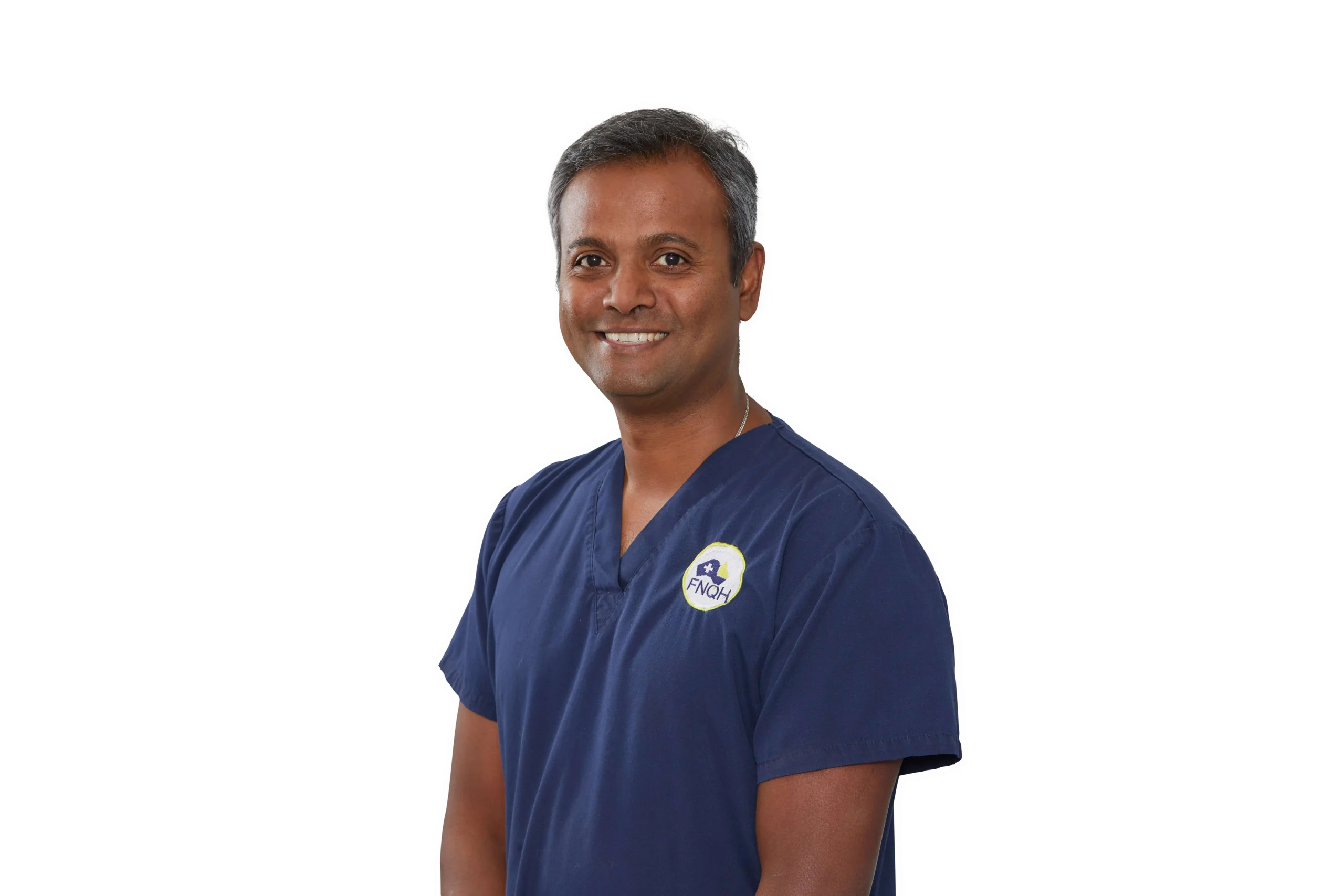
“The safety and well-being of our customers and staff is our top priority – we continue to closely and actively monitor the situation,” said Melissa Elf, global COO, FCM Travel and Corporate Traveller.
“Business travel is known for its resilience and flexibility, with companies looking at alternative routes that are safe to travel through, rather than cancelling. Global economies don’t stop, and our latest data show that corporates continue to find ways to get deals done through alternative routes.
“The majority of Europe to Australia flight connections operate via Asian hubs, not the Middle East, including Singapore and other regional airports, with these routes continuing to operate normally.
“Travel managers and passengers should note that seat availability on these alternative routes is limited and subject to rapid change. Securing a booking is essential,” Elf said.