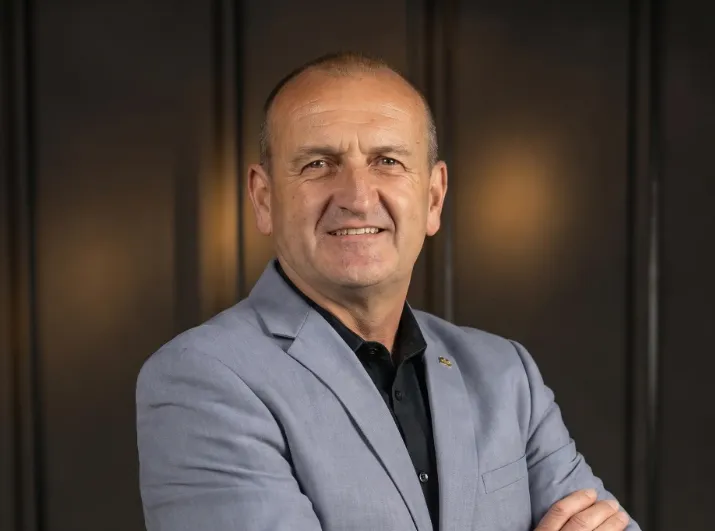
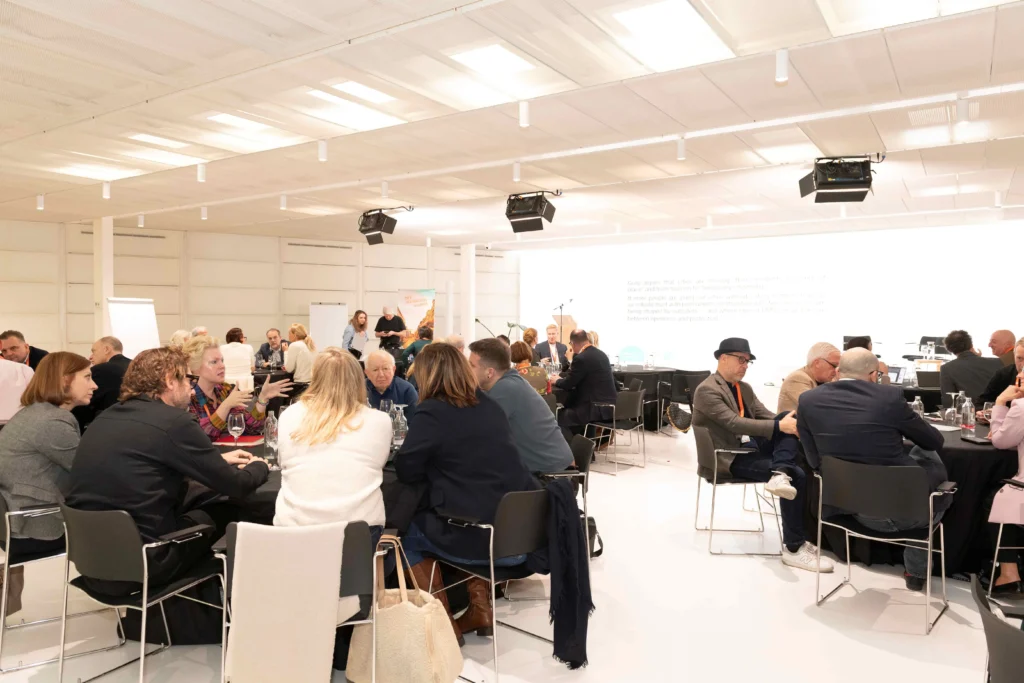
Forty-nine 49 European city destination leaders gathered in Barcelona 9-10 February, for the 19th City Destinations Alliance (CityDNA) CEO Meeting.
Few cities have more visibly navigated the political, social and structural pressures surrounding urban tourisms than the Catalan capital. Against this backdrop, European destination CEOs addressed a central reality: the role of the Destination Management Organisation (DMO) has fundamentally evolved. What began as marketing has become stewardship. What was once promotional has become structural.
From promotion to stewardship
Over the past decade, European DMOs have transitioned from outward-facing promotion to inward-facing coordination and governance. This evolution is no longer conceptual – it is operational.
The DMO is increasingly positioned as a neutral convenor within the city ecosystem:
- Aligning public and private stakeholders
- Facilitating two-way communication between institutions and communities
- Anchoring long-term strategy beyond electoral cycles
Destination leadership today is defined not by campaign visibility, but by its capacity to safeguard the city’s long-term prosperity.
As urban strategist Greg Clark (The DNA of Cities) emphasised during the meeting, Europe’s cities possess a distinct ‘DNA’ rooted in democratic governance, cultural capital and social trust. Preserving that DNA – while managing increasingly complex urban flows – is now the defining task of visitor economy leadership.
The social contract at the centre
Workshop sessions crystallised a shared conclusion: tourism must operate within the city’s social contract.
Several structural tensions define the current landscape:
- Visitor needs ↔ Resident needs
- Actual economic value ↔ Perceived public value
- Service visitors ↔ Service residents
- Traditional DMO model ↔ Wider city function
These tensions are not contradictions to eliminate; they are realities to manage transparently.
The debate has shifted from “How do we grow tourism?” to “How do we ensure tourism strengthens the city it serves?” Without resident trust, competitiveness weakens. Without legitimacy, reputation cannot endure.
From declaration to delivery
The Barcelona discussions were guided by the strategic compass of the CityDNA Tórshavn Declaration, a collective framework developed by CityDNA to reflect on global shifts and redefine visitor economy governance for a new era.
The Declaration translates shared political, economic, social and technological priorities into coordinated action and priority activities for 2026, from value-based measurement and transparent taxation to AI ethics, cross-sector collaboration and community alignment.
Together, Tórshavn and Barcelona signal a clear trajectory: European cities are not retreating from tourism. They are reshaping it, aligning competitiveness with resilience, innovation with responsibility, and growth with trust.
From insight to action
Learnings from Barcelona are being integrated into CityDNA’s 2026 activity planning, ensuring that the Alliance’s priorities, knowledge exchange, research and advocacy directly reflect the realities faced by European city destinations.
CityDNA will focus on translating strategic intent into practical tools, shared frameworks and evidence-based narratives.
The discussions in Barcelona reinforced that European DMOs must help shape, not simply follow, the EU tourism agenda, ensuring that funding instruments, governance models and measurement frameworks reflect urban realities.
Barbara Jamison-Woods, President of City Destinations Alliance, stated: “European cities are not stepping back from tourism, they are stepping up to lead it differently… DMOs are uniquely placed to bridge European ambition with local delivery. Barcelona demonstrated that destination leadership today is about stewardship: protecting the city’s social contract while ensuring tourism remains a force for long-term resilience and prosperity.”