Industry association PCMA discuss how convention centres are both embracing and reflecting cultures and aspirations of the cities that surround them.
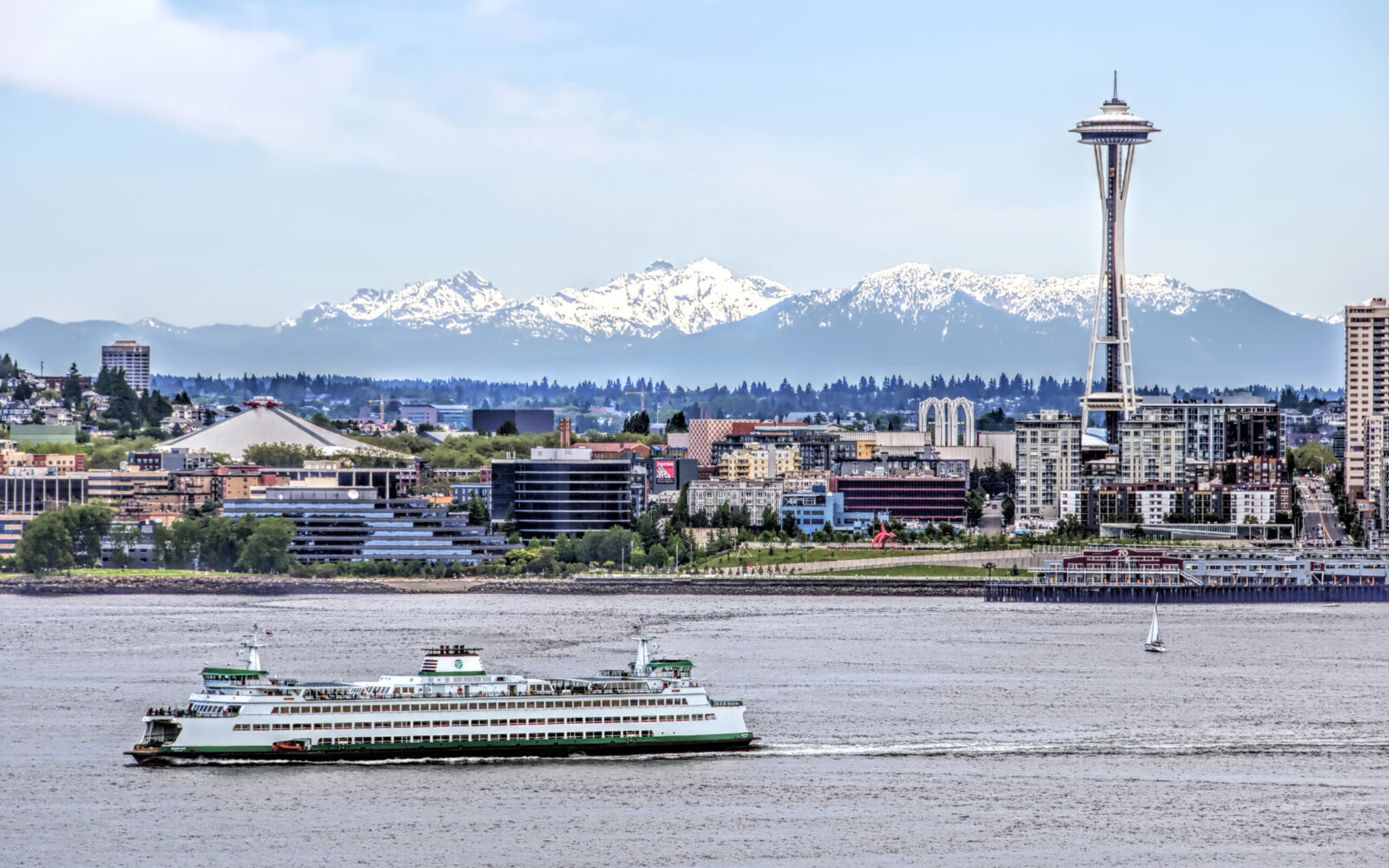
Bombo, a restaurant, opened earlier this year in downtown Seattle, USA, on the ground floor of the Seattle Convention Center’s new six-story Summit building, is filled with reclaimed wood and offers wraparound views of the city and the Puget Sound. It well illustrates how convention centres increasingly have become warmer, dramatically more hospitable places, as well as part of the fabric of the cities that surround them.
The Summit’s ‘only-in-Seattle’ vibe and its central location, which brings visitors to the vibrant commercial districts in nearby neighbourhoods, helps to answer a question posed in a recent New York Times article, which is why cities continue to invest in convention centres. The story paints a picture of the business events industry as a diminishing one, compared to pre-pandemic days, and of convention centres as empty and frozen in time.
In fact, the industry has made a sustained recovery – there were 41,000 participants at the RSA cybersecurity conference held in San Francisco in May 2024, which was described by market intelligence firm S&P Global as “pre-pandemic busy” and its attendance numbers “in the territory” of record-breaking years before 2019.
Live events attendance expected to increase
According to Future Partners’ seventh annual State of the Meetings & Convention Industry report published in April 2024, 64% of planners say they expect attendance at their live events to increase in the next three years – a 16% increase over their 2023 expectations.
What stories like the one in the New York Times miss is that the business events industry and convention centres aren’t isolated from the communities and the larger world around them but have changed and are changing in response to them. That includes offering authentic and connected experiences for new generations of event goers, for whom those are top priorities, and remaking convention centres into spaces that aren’t empty stages but active participants in catalysing the transformation of cities.
Local community value
Some examples: In Chicago, McCormick Place is part of the City of Chicago’s plan to bring more mixed-use commercial activity to its historic and culturally rich South Loop, including housing, restaurants and nightlife. In Texas, the Fort Worth Convention Center is entering the second phase of a renovation project, part of a plan aimed at revitalising the city’s downtown.
That project is being undertaken in tandem with an adjacent expansion of Texas A&M University into the city, opening up the potential for new collaborations between the university and scientific, medical and other business events held at the convention centre.
Those of us who work in this industry recognise the significant value events and the facilities that host them bring to local communities and the larger world. We need to help others outside of our industry do the same, and ensure they aren’t referencing an outdated or only partial version of the role we take in economic and social development