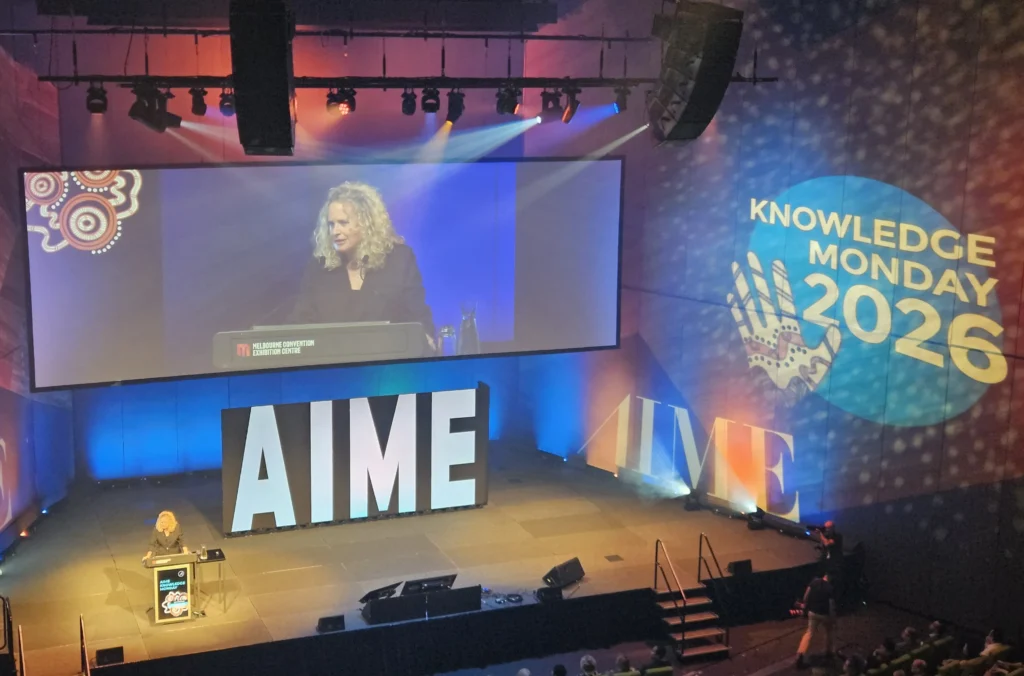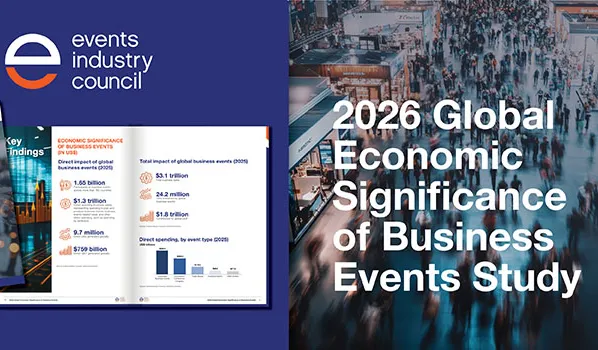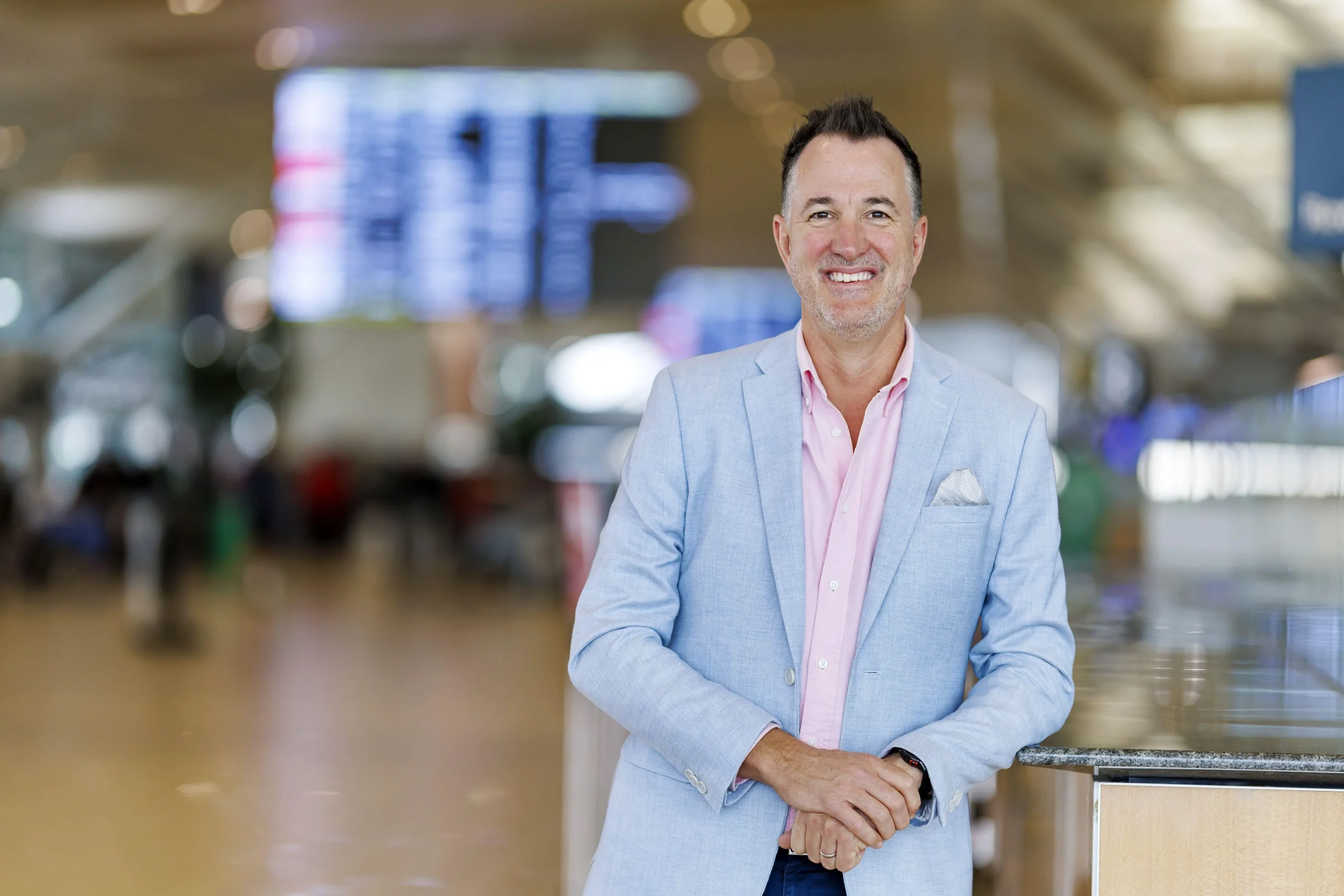
Four days at AIME 2026 in Melbourne offered more than a view of Australia’s business events sector. They revealed how a destination evolves when long‑term planning, industry collaboration and a clear sense of purpose align. Australia is not without its challenges, nor is it the only market investing in precincts, knowledge economies and incentive experiences. But the conversations at AIME – with bureau leaders, venue executives and organisers – surfaced lessons that resonate far beyond its borders.
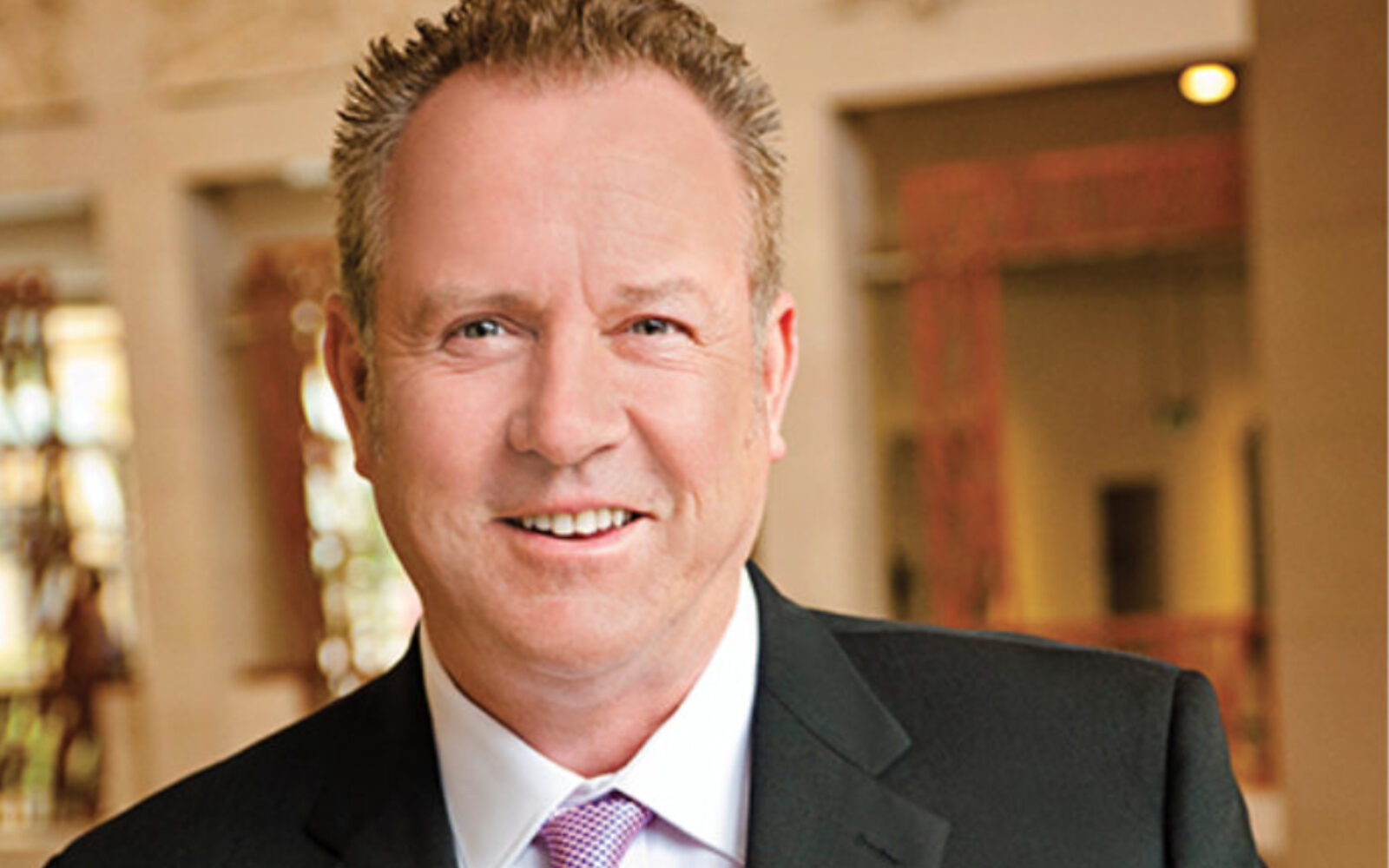
Matt Pearce, CEO of Talk2 Media & Events, set the tone early. Despite AIME’s largest edition in its 33‑year history, he resisted the temptation to celebrate scale for its own sake.
“Size is a vanity metric. The priority is staying relevant.”
That distinction, between growth and relevance, became a thread running through every conversation.
Infrastructure and knowledge: The dual engines of destination competitiveness
One of the clearest takeaways from AIME was that infrastructure alone no longer differentiates a destination. What matters is intentional infrastructure – the kind that emerges from decades of planning rather than opportunistic expansion.
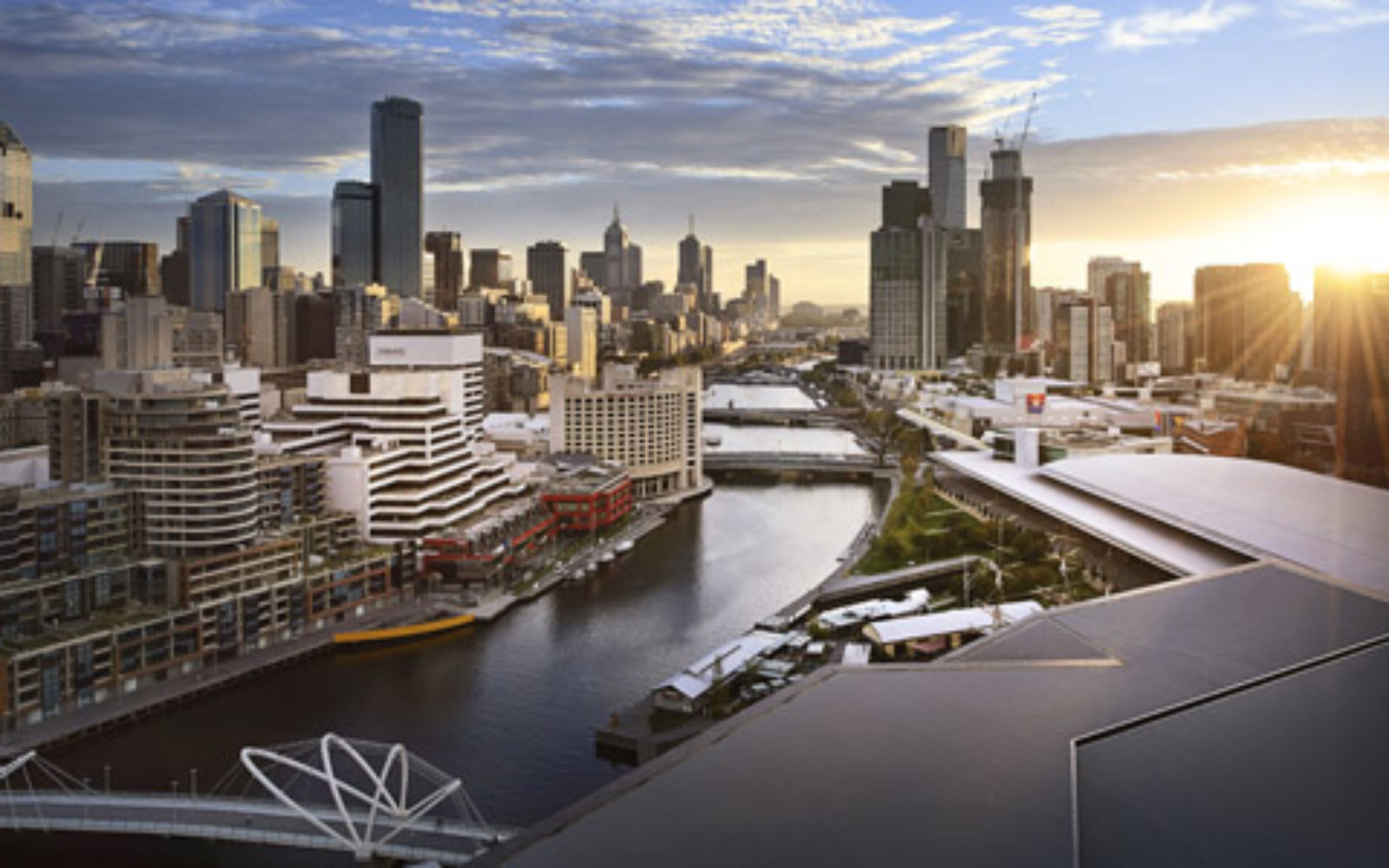
Melbourne’s convention precinct is a case in point. Julia Swanson, CEO of Melbourne Convention Bureau, described decisions made long before the industry looked the way it does today.
“A large area of our city centre was set aside to be purpose-built for business events. Those choices in the 1980s and 1990s shaped everything that followed.”
Sydney and Brisbane are at different points in the same arc: Sydney with a harbour‑front venue integrated into the CBD; Brisbane with an Olympics‑driven transformation that is reshaping transport, culture and public space. The lesson for global destinations is simple: precincts are built on political courage and long‑term vision, not short-term wins.
But infrastructure is only half the story. The other half, increasingly the more decisive half, is the strength of a destination’s knowledge economy.
- Brisbane is leaning into life sciences, supported by a Convention Trailblazer programme that turns researchers into long-term ambassadors.
- Sydney is anchored by tech, defence, finance and biomedical research, with institutions like RNA Australia and the Tech Central precinct driving demand.
- Cairns, often underestimated as a leisure destination, is leveraging world-leading marine science and Indigenous knowledge systems.
Tara Bennett of Tourism Tropical North Queensland addressed the perception gap directly.
“Because we are a holiday destination, you can be underestimated. But we’ve got what it takes to deliver incredible events.”
The broader takeaway: destinations that treat academia and industry as strategic partners, not marketing assets, build deeper, more resilient pipelines.
Collaboration, purpose and the evolving role of venues
If there was one theme international planners consistently raised, it was Australia’s collaborative culture. “Team Australia” is often referenced, but rarely interrogated. Robin Mack, MD of Tourism Australia’s business events division, acknowledged that locals barely notice it anymore.
“That one voice, that mateship, helping each other grow the pie – we take it for granted, but it’s not the norm.”
In a global market where cities often compete more than they coordinate, Australia’s model suggests that collaboration can be a competitive strategy, particularly for large association bids.
Purpose also surfaced repeatedly, not as a marketing layer but as a structural element. Victoria’s Gender Equality Act places measurable obligations on government-funded entities. Melbourne’s First Nations Engagement Guide was created because clients wanted practical tools, not ceremonial gestures. In Cairns, Indigenous engagement is framed as both cultural and economic.
Swanson put it plainly: “These aren’t just talking points; they’re backed by policy.”
Meanwhile, venues are redefining their role. ICC Sydney’s investment in content creation, from 3D animation to podcast suites, reflects a shift in how events are produced and consumed. Wellness is also becoming part of the delegate experience, with new pickleball courts and a broader focus on wellbeing.
Beverley Parker, ICC Sydney’s deputy CEO, captured the mindset:
“We’re ten years old and still actively searching for the next thing rather than consolidating what we have.”
Even AI, often overhyped, was discussed with refreshing pragmatism. Pearce noted that AIME’s matchmaking system has used AI for years.
“AI handles the laborious bits quickly. Humans still make the final call.”
No grand claims, just a tool doing useful work.
What global destinations can learn
AIME 2026 didn’t present Australia as flawless or universally replicable. Instead, it offered a set of principles that any destination, emerging or established, can adapt:
- Plan precincts decades ahead; retrofitting rarely works.
- Build deep, operational relationships with universities and industry.
- Collaborate across cities and agencies to grow the collective pie.
- Embed purpose structurally, not symbolically.
- Invest in content and wellbeing as core venue services.
- Use AI pragmatically, not performatively.
- Cultivate genuine industry culture – enthusiasm is a competitive asset.
What stood out most was not the infrastructure or the statistics, but the sense of an industry that has rebuilt itself with clarity and conviction. Whether that translates into long-term global competitiveness remains to be seen. But the foundations – intentional planning, knowledge partnerships, collaboration and purpose – are undeniably strong.