What makes Melbourne stand out as a conference city? The short answer is that it’s highly walkable, it has a centrally-located convention centre and it will tempt delegates to explore outside the conference schedule. With over 14,000 hotel rooms within walking distance of the CBD, a world-class convention centre in the MCEC and a well-established network of universities and research institutes, Melbourne has a basic layout that makes life easy for organisers.

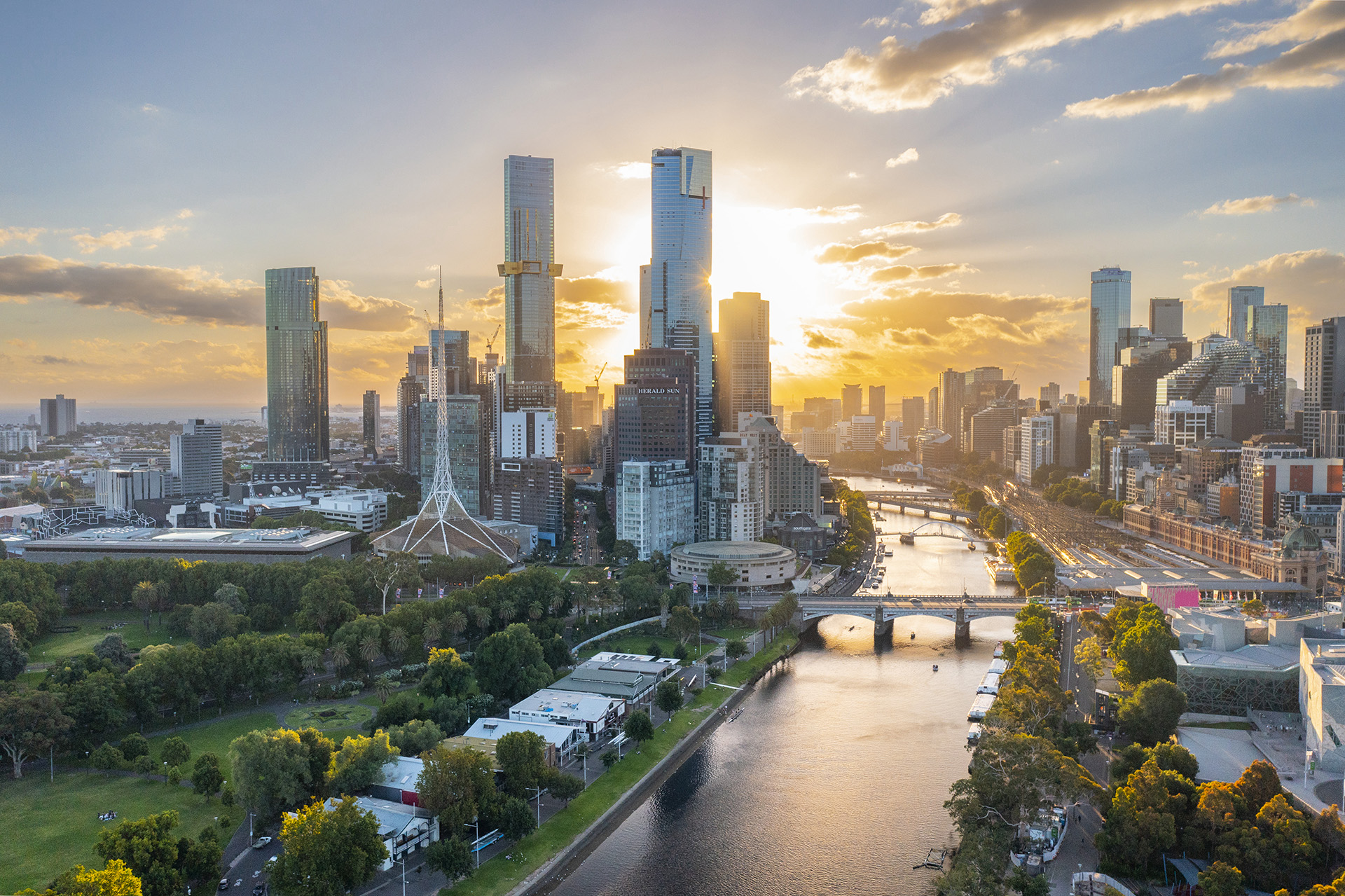
MCEC from above with Central Business District in background
What Melbourne gets right
1. Attendance and Infrastructure: the fundamentals are strong
A conference can only be as good as the destination allows. You need strong attendance, venues that work and a city that’s easy to access. Melbourne checks all three boxes.

Pan Pacific Melbourne bedroom suite
- Australia’s #1 city for business event attendance – – It ranks #2 in the Asia-Pacific region and 15th globally for delegate attendance (ICCA 2023), meaning it consistently attracts high numbers.
- The city is designed for events – Melbourne has the highest concentration of conference facilities in Australia.
- Melbourne Convention and Exhibition Centre (MCEC) is built for serious events – With 70,000sqm of space, it’s the largest in Australia and centrally located just a short walk from the city centre.
- Accommodation is abundant – By 2026, Melbourne will have 28,500 hotel rooms, many within walking distance of MCEC, so delegates are spoilt for choice with a range of quality and boutique hotels.
- Flights are frequent and well-connected – Melbourne Airport was named Best in Australia and the Pacific (Skytrax 2024) and has direct routes from London, LA, Singapore, Dubai and key hubs across Asia and the US.
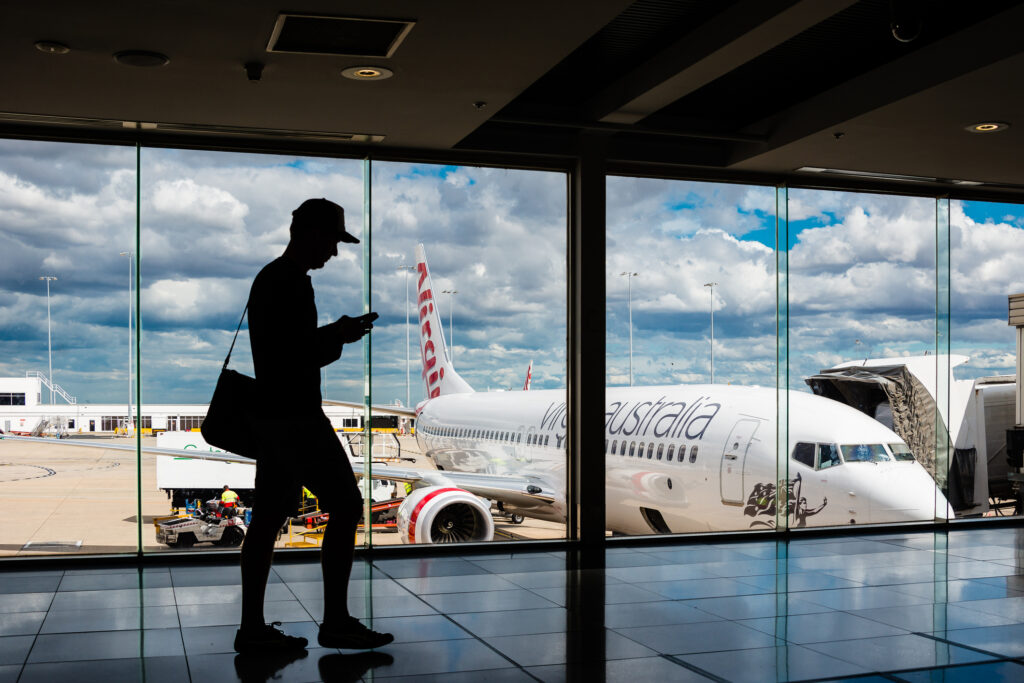
Passenger at Melbourne Airport
2. A city that works for events
One of Melbourne’s biggest advantages is that it’s set up in a way that naturally makes life easier for event organisers and attendees.
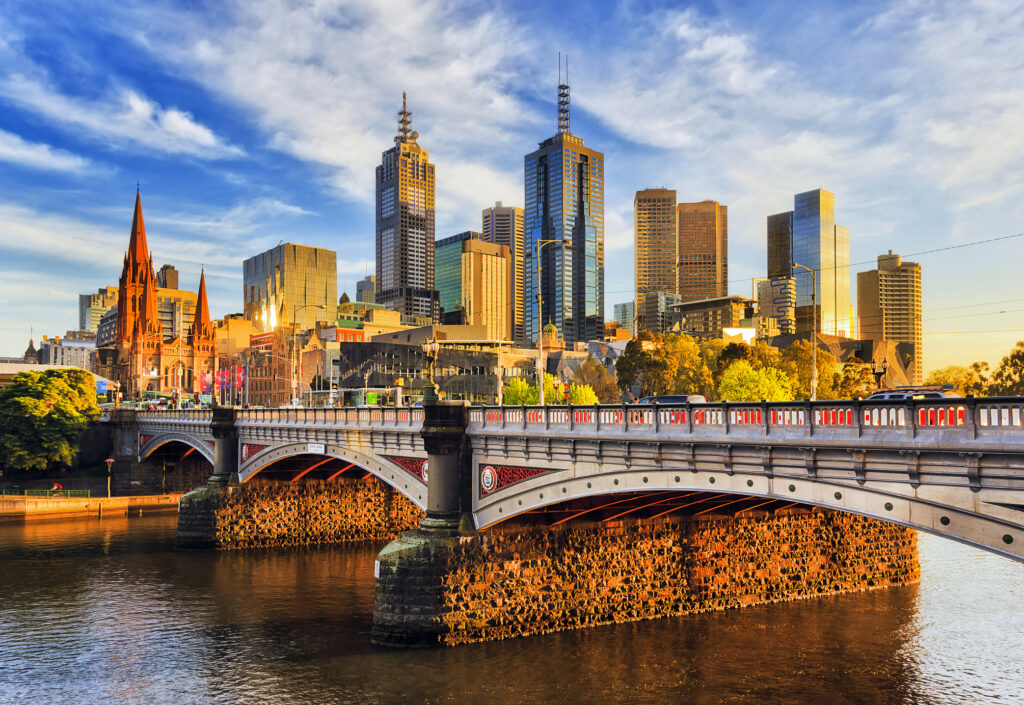
Melbourne Central Business District (CBD)
- The CBD is walkable – Unlike some major cities, Melbourne’s key venues, hotels, restaurants and bars are clustered together in the Central Business District.
- Free public transport in the city centre – The tram system is extensive and, in the CBD, it’s completely free, so delegates can move around with ease.
- Melbourne knows how to deliver quality events – The Melbourne Convention Bureau (MCB) is highly experienced in supporting large-scale international conferences and events. They work with organisers to make sure every element of the event is delivered to a high standard. Melbourne also benefits from the broader support of Business Events Australia, which works to attract global events and provides support for organisers.

Melbourne trams are free in the CBD
3. A city people want to spend time in
A great business event is more than just what happens inside a conference centre. What makes Melbourne stand out is that it encourages delegates to extend their trip – and that’s a massive advantage for event success. A seriously great food scene Every city claims to have great food. Melbourne actually delivers.

Farmer’s Daughters restaurant
- More than 100 nationalities represented in the dining scene, thanks to a deeply multicultural population. Some of the newest restaurants include Marmont’s Latin American inspired flavours, and Kolkata Cricket Club headed up by Gourmet Traveller’s Best Young Talent, Mischa Topp, both at Crown Melbourne.
- Abundance of hatted restaurants – Melbourne has over 50 hatted restaurants (Australia’s equivalent of Michelin stars), as well as a deep casual dining culture where great food isn’t reserved for fine dining.
- Some of the best coffee in the world – Melbourne has an extremely strong coffee culture, with high-quality coffee found throughout the city – in hotels, cafés and hole-in-the-wall espresso bars in Melbourne’s iconic laneways.

Visitors drink coffee in the Block Arcade, BCD

Melbourne Park, home of the Australian Open
- A packed leisure events calendar – Melbourne regularly hosts film festivals, theatre and live music. The city has more live music venues per capita than New York, London or Tokyo.
- World-class sport events – Melbourne is home to major sporting events like the Australian Open, Formula 1 Grand Prix, and the Melbourne Cup Carnival, drawing international crowds year after year.
- Street art and laneway culture – Beyond the famous and ever-changing street art of Hosier Lane, but Melbourne’s hidden bars and independent boutiques add layers to the city experience.
- A thriving late-night scene – Melbourne’s bars, rooftops and restaurants stay open late, making it easy to extend conversations in a relaxed setting.
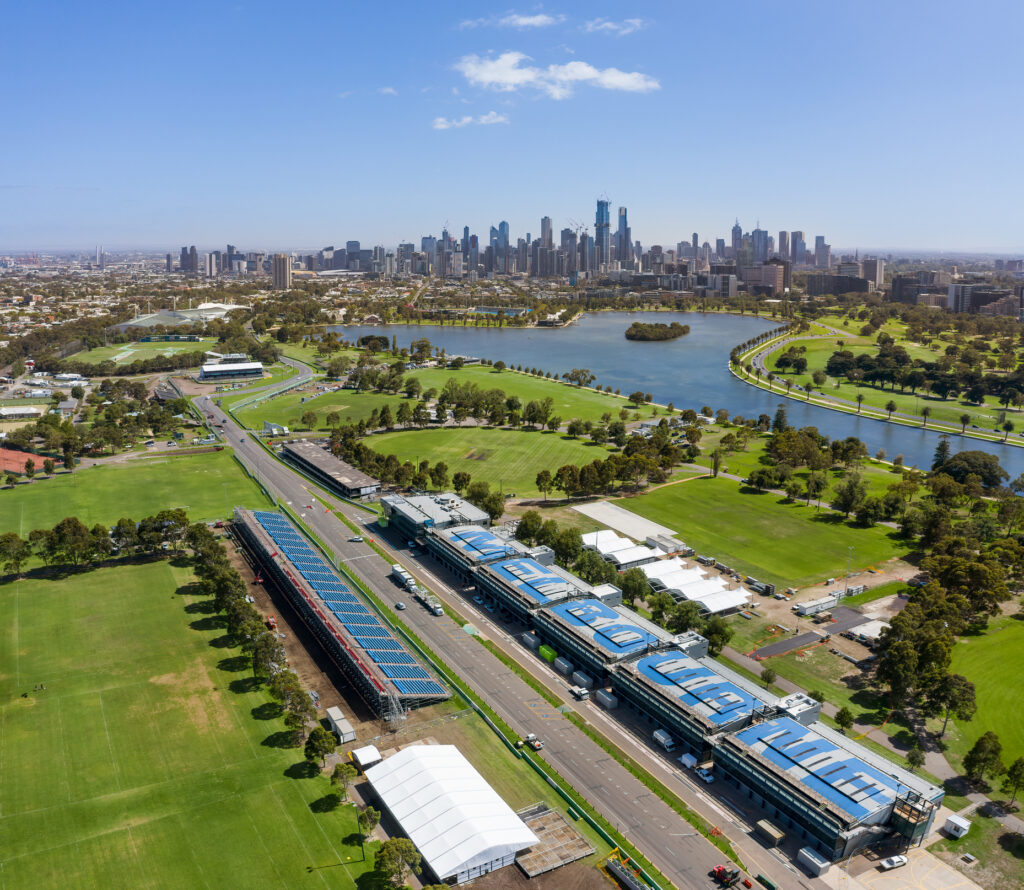
Albert Park F1 Grand Prix circuit
4. A city of ideas and innovation
Melbourne’s reputation as one of the world’s most liveable cities is well-established. But it’s also one of the most intelligent places to meet, with a knowledge economy that brings added value to business events.
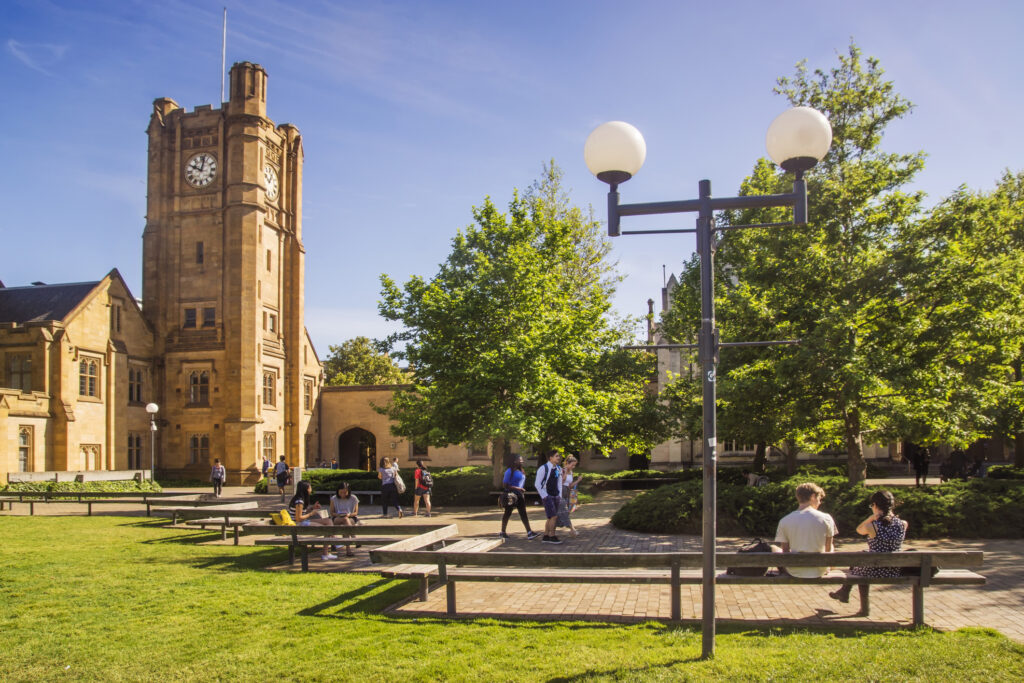
University of Melbourne, South Lawn
- Biomedical capital of Australia – Melbourne is the universally considered the biomedical capital of Australia, home to world-class research institutes like the Doherty Institute, hospitals and top universities like the University of Melbourne. These institutions regularly collaborate with global industry.
- City of innovation – Melbourne is one of the top three most innovative cities in the world, according to the 2thinknow Innovation Cities Index, and a hub for tech innovation, advanced manufacturing, biomedical research and more.
Victoria’s innovation ecosystem includes multi-sector research precincts, biotech clusters and high-impact university research – all of which contribute to events that go beyond networking and leave a lasting legacy. This means access to expert speakers, local collaborators and meaningful delegate engagement across sectors.
5. Easy access to some of Australia’s best natural landmarks
One of Melbourne’s biggest strengths is that it’s not just an urban destination. Victoria’s best landscapes are within easy reach, with a range of exciting and unique experiences on the city’s doorstep.
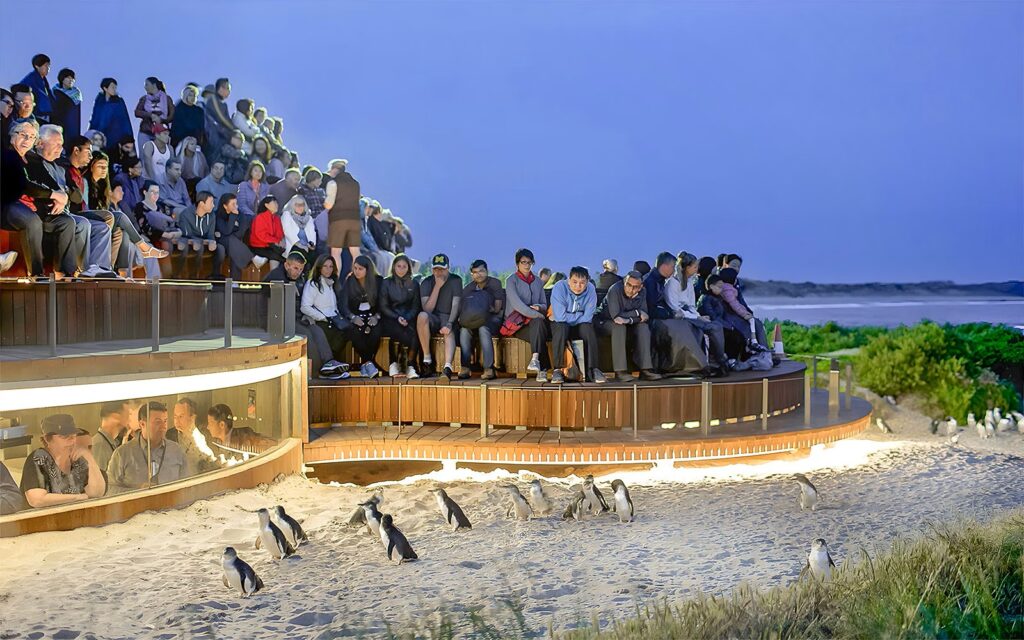
Visitors watch penguins returning to their burrows on Philip Island

Penguins on Philip Island
- Phillip Island – One hour and 45 minutes from the city, Phillip Island home to the world’s largest little penguin colony. Visitors can watch hundreds of penguins waddle ashore to their burrows each evening from specially designed viewing platforms and boardwalks.
- Great Ocean Road – Just two hours away, this famous coastal drive features beaches, rainforests and the Twelve Apostles rock formations.
- Yarra Valley wine region – An hour from the CBD, the Yarra Valley wine region contains over 90 wineries offering some of Australia’s best cool-climate wines.
- Healesville Sanctuary – About an hour’s drive from Melbourne, this renowned wildlife park offers close-up encounters with native animals like kangaroos, koalas, wombats and platypuses.
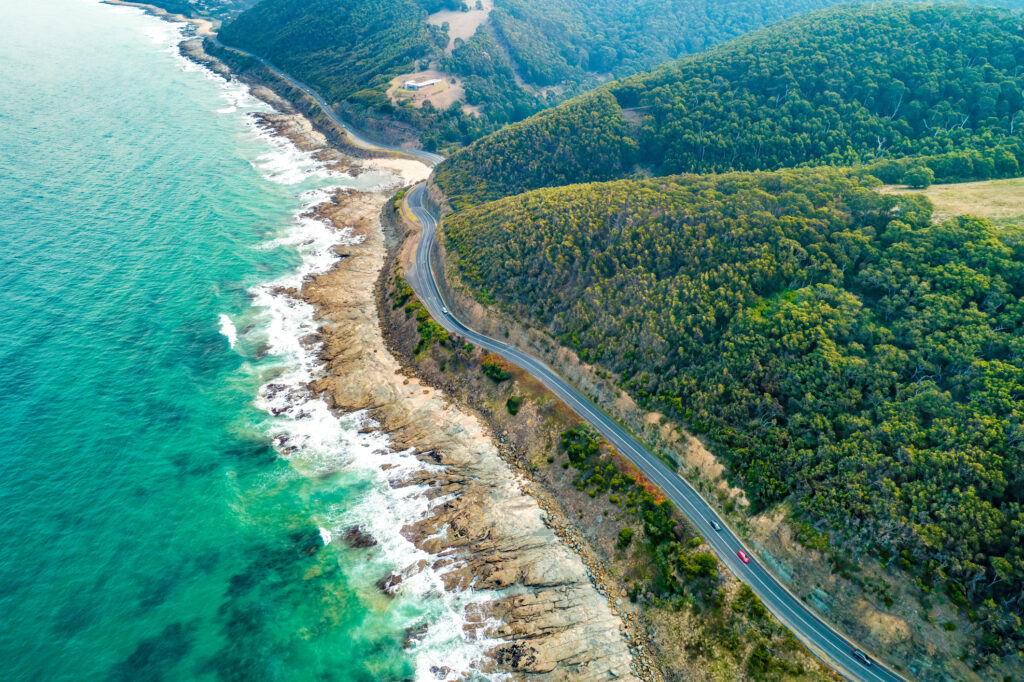
Great Ocean Road, Victoria

Wedge-tailed eagle at Healesville Sanctuary
- The event infrastructure is there making planning and delivering events seamless.
- The delegate experience is enjoyable and inspiring, making attendance and engagement higher.
- The city itself keeps people around, through its food, culture and easy access to nature.
Melbourne is a city with so much to offer, with accommodation, venues and experiences that are unlike anywhere else in the world. It’s not just a place that can host a conference – it’s a place that makes business events better. To discover more about holding a business event in Melbourne, visit the Melbourne Convention Bureau website. Or, to learn more about bringing your next event to Australia, visit Business Events Australia for resources, research and support. Email info@melbournecb.com.au to get started.