Nearly 2,000 delegates from 27 countries and territories gathered in Oregon for Destinations International’s 2026 Annual Convention. Iain Stirling reports on a host city that makes its commercial case quietly, and a programme that did not.
Portland does not oversell itself. By the end of the week, that looked less like modesty and more like strategy.
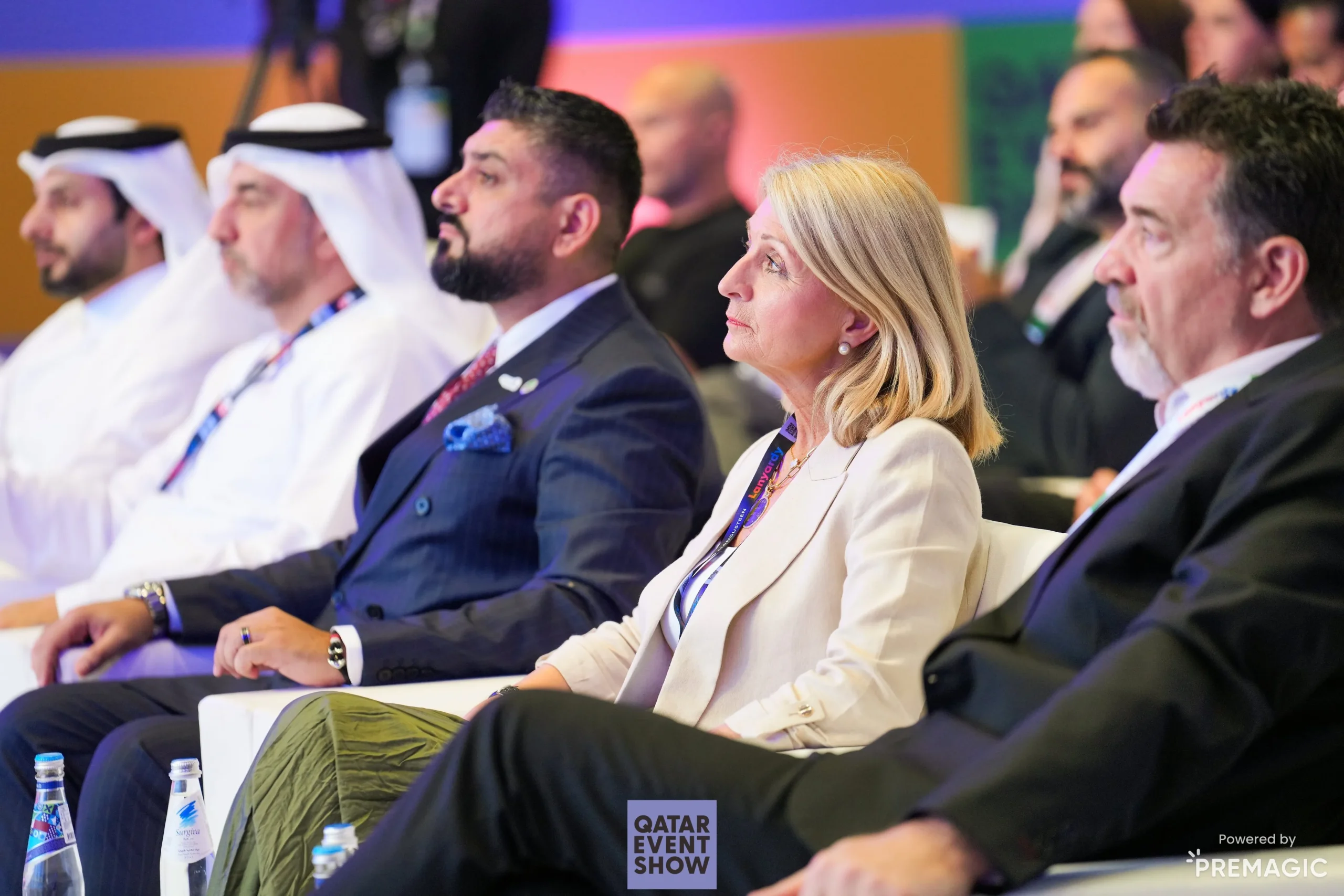
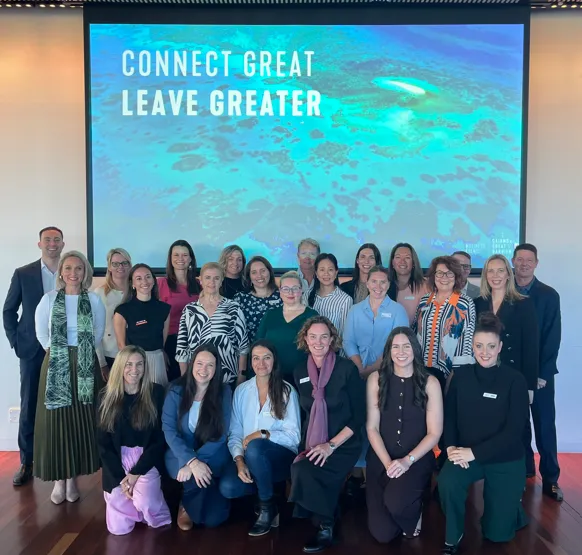
Nearly 2,000 destination professionals from 27 countries and territories gathered at the Oregon Convention Center from 21–23 July for Destinations International’s 2026 Annual Convention, hosted in partnership with Travel Portland. The room held convention bureaux from across the United States, Canada, Europe and Saudi Arabia. CMW attended as a media partner, and the week began before the convention did.
A city that makes its case quietly
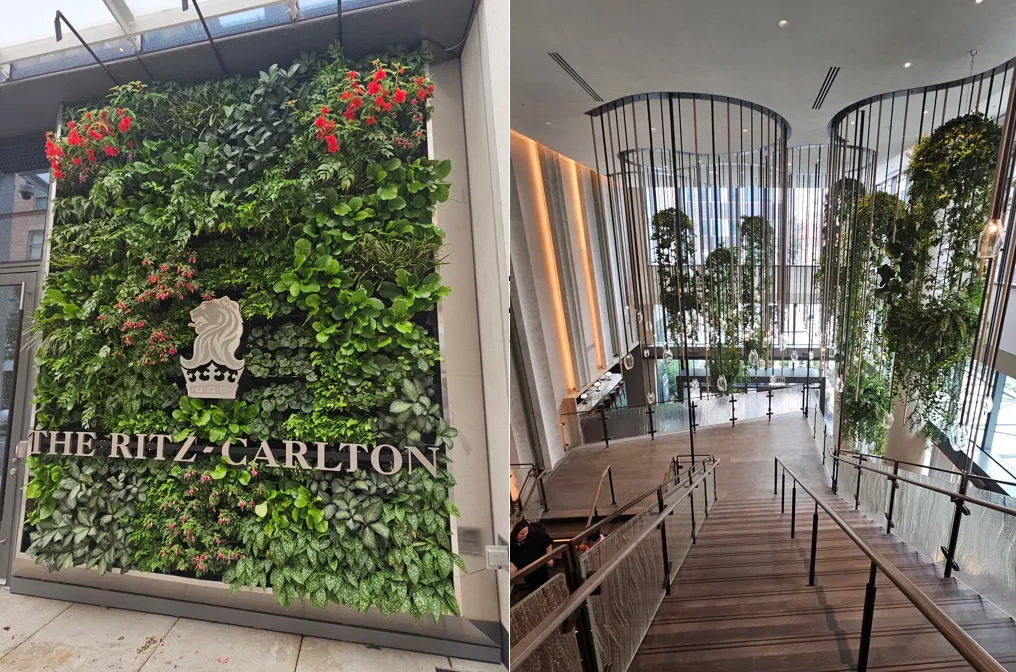
Travel Portland ran a pre-convention press trip based at the Hilton Portland Downtown. Breakfast and a tour at The Ritz-Carlton, Portland set the tone: 251 rooms across 35 floors, the brand’s first property in the Pacific Northwest, open since late 2023 and pitched squarely at the high-end incentive and board-level market.
Next came the Portland Art Museum, which reopened in November 2025 after a US$111m expansion. The Mark Rothko Pavilion, named for the artist who spent his childhood in the city, links two historic buildings and adds close to 100,000 sq ft of space. It is a serious off-site venue proposition, not simply a cultural stop.
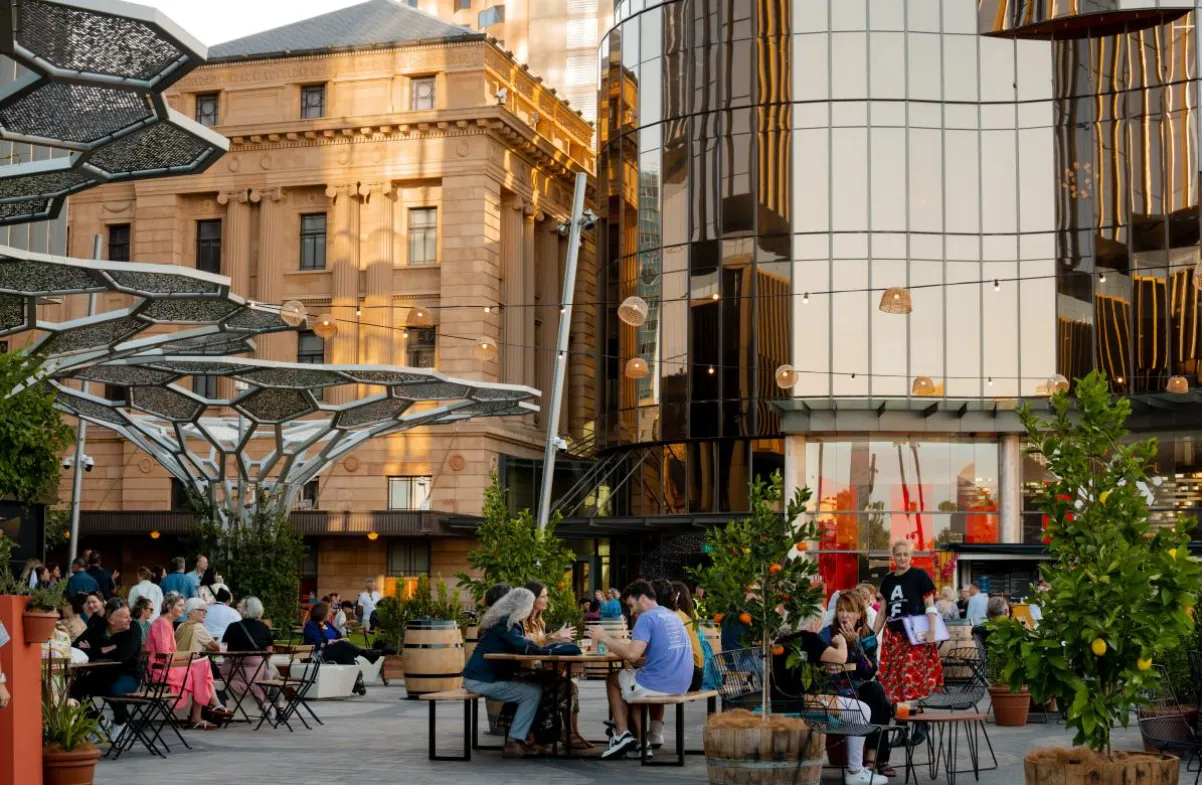
NW 23rd Avenue and the Nob Hill neighbourhood pack independent retail, cafes and restaurants into a few walkable blocks. Delegates judge a destination on what happens between sessions, and Portland is unusually easy to explore on foot.
The numbers behind Portland’s business events pitch
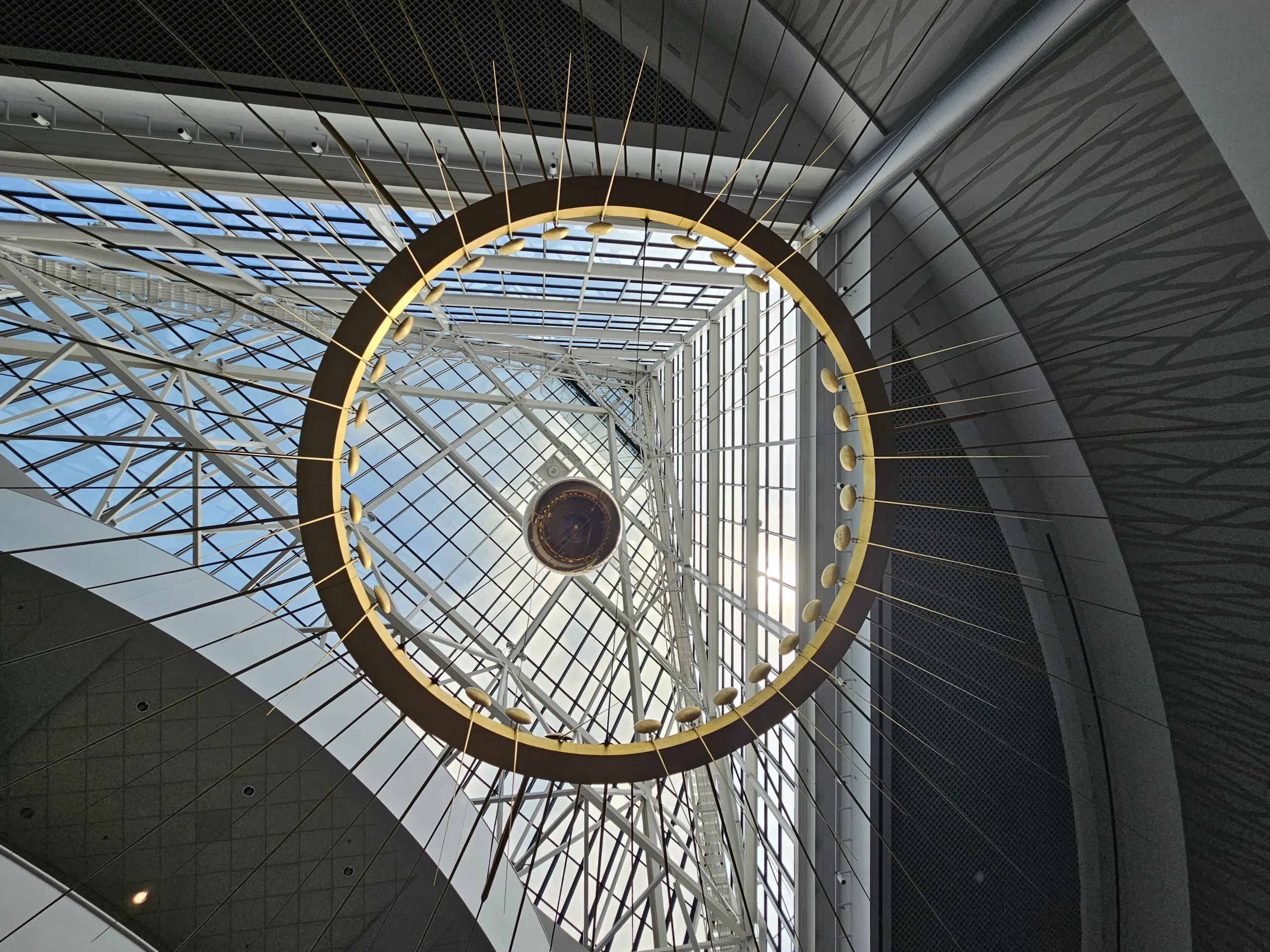
The commercial case is straightforward. The LEED Platinum Oregon Convention Center offers 255,000 sq ft of contiguous exhibit space, 52 meeting rooms and two ballrooms within roughly 500,000 sq ft of total event space, with the 600-room Hyatt Regency Portland next door as headquarters hotel.
The central city holds more than 10,000 hotel rooms, around 1,300 of them committable within five minutes of the centre. MAX light rail connects the airport, nine miles out, to both the convention centre and the downtown hotel core.
The clincher for budget-holders is tax. Oregon has no sales tax, which Travel Portland positions as up to 10% off the bottom line. For association organisers working to fixed delegate budgets, that is no footnote.
The corporate cluster on the doorstep
Easy to miss from the delegate programme is the corporate weight sitting just west of the city. Nike’s global headquarters sits in unincorporated Washington County next to Beaverton, employing thousands. Columbia Sportswear is headquartered a few miles away in the same county, and adidas America runs its US operation out of north Portland.
Between them they make greater Portland something close to a world capital of athletic apparel, and give the destination what plenty of second-tier US convention cities cannot offer: a genuine corporate event network on the doorstep. For organisers that means a local sponsor and supplier pool with global recognition, plus site visit and speaker access that lands with delegates. Travel Portland is worth pressing on what can be arranged; it is a stronger card than the destination tends to play.
Solutions for today, strategies for tomorrow
The convention theme did the work it was meant to do. Programming ran across artificial intelligence, innovation, destination stewardship, community engagement, organisational culture and workforce development, the issues DI members are actually being asked about by their boards.
New Learner Journeys let delegates build a personalised route through five areas: solutions, strategies, skills, scope, and leadership and culture. It is a sensible fix for a familiar problem: broad programmes leave attendees grazing rather than learning.
Keynote speaker Jeremy Gutsche, founder of TrendHunter.com, argued that disruption and AI should be treated as catalysts for innovation rather than threats to be managed. Kathy Varol, former head of global purpose at adidas, connected organisational purpose to brand strategy and leadership.
DI also welcomed the Maine Tourism Association as its 800th member organisation, launched a series of DestinationNEXT Futures Study action briefs alongside new workforce research, and recognised 70 new CDME recipients and 33 destinations receiving DMAP accreditation. Kyle Edmiston, president and CEO of Visit Lake Charles, took over as chair.
Lessons from the World Cup host cities
The standout session brought together tourism leaders from five 2026 FIFA World Cup host cities: New York, Boston, Toronto, Kansas City and Seattle. The framing question was blunt: was it worth it? The consensus was yes. Would they do it differently? Also yes.
Andrew Weir, president and CEO of Destination Toronto, made the sharpest point of the morning. Broadcast coverage was never going to carry the destination message, because the pictures are tight shots of the pitch. Destination Toronto worked the media centre instead, giving journalists a live city backdrop to report against, and brought media in during April and May so stories had time to build beyond match day. Weir also noted that the 16 host cities organised largely independently, which forced co-operation rather than competition. His advice was to define success at the outset, so the destination is not judged on a single metric.
Natalie Koepff, COO and general counsel of New York Meetings + Conventions, described a dispersal problem. Matches, including the final, were played at MetLife Stadium in New Jersey, so the objective was pushing fans into all five boroughs rather than Times Square. Grants went to each borough for watch parties and festivals.
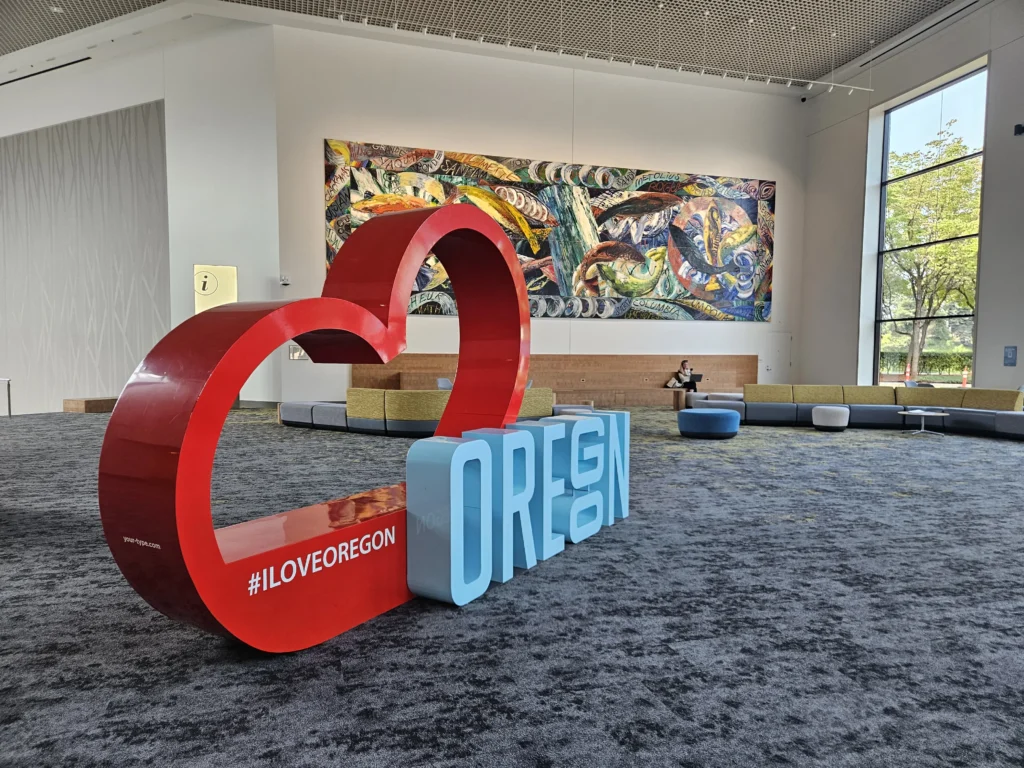
Kathy Nelson, president and CEO of Visit Kansas City and the Kansas City Sports Commission, had a different starting point as the smallest host market. International audiences did not know where Kansas City was, so the bureau appointed someone to international tourism years ahead of the tournament. FIFA had scored the city lowest of all hosts on transport, prompting work with traffic engineers. A US$3m heart structure designed with Populous anchored the fan festival, and hosted four proposals and a wedding. Her advice to future hosts: get ahead of the funding question.
Martha Sheridan, president and CEO of Meet Boston, was candid about the friction. Boston’s funding model was state-wide, but FIFA booked room blocks across the state line in Providence, Rhode Island, which took the business without the investment. Sponsorship was constrained too: Dunkin’, one of the city’s biggest corporate citizens, was unapproachable because FIFA sponsor McDonald’s holds an interest in Costa Coffee, closing the category. Her verdict was still positive on the region’s economic impact.
Tammy Canavan, president and CEO of Visit Seattle, used the tournament to accelerate community investment: new light rail routes, removal of a waterfront viaduct, improved pedestrian links and a US$400m airport modernisation. Seattle also ran its own Play SEA branding alongside the official FIFA marks.
Why this matters beyond football
None of this is really about football. Every argument in that session is one association organisers and venues are already having: define success beyond a single headline number, invest in the narrative early rather than assuming someone else carries it, and understand who captures the value you create.
The same applies to the wider convention. Bureaux rarely compete for the same congress on the same day, but they face identical structural problems: budget pressure, workforce retention, resident sentiment and stakeholder accountability. This is where those problems get compared honestly, which is why the networking is not a soft add-on to the programme. It is the programme.
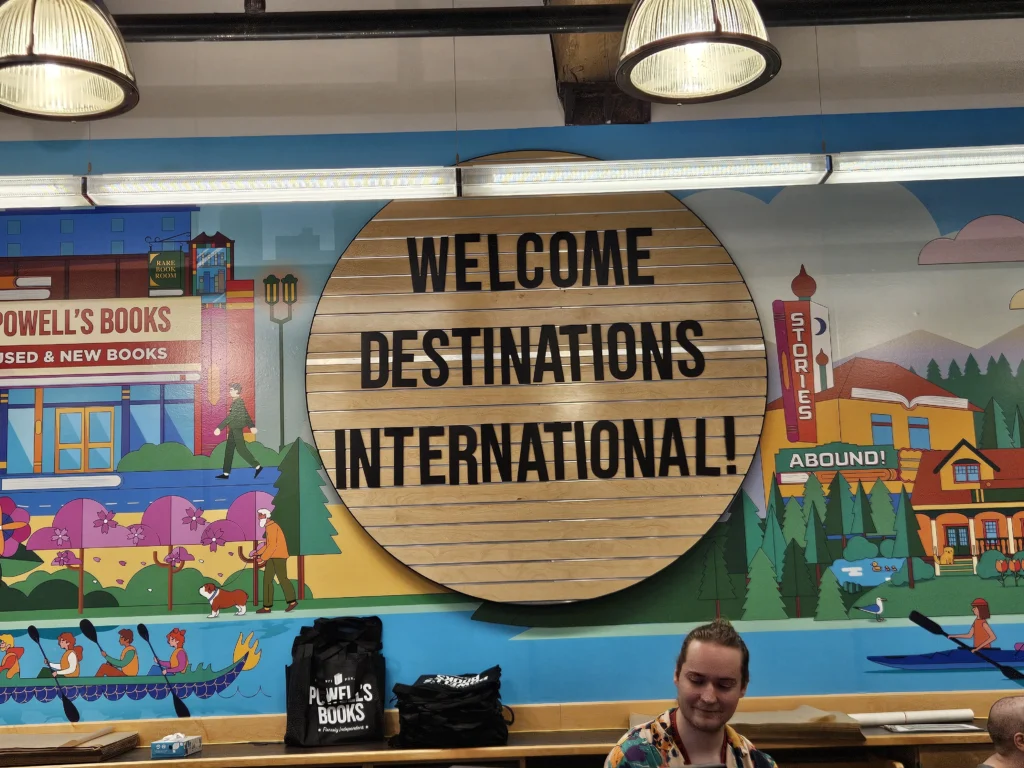
Portland understood that. The opening reception was held at Powell’s City of Books, the closing celebration at Providence Park. More than two dozen delegates volunteered with Blanchet House and Bethanie’s Room before the convention opened, engaging directly with the city’s homelessness response, an unusually honest piece of destination programming.
What’s next
DI’s Global Leaders Forum takes place in Geneva from 22–24 September. The 2027 Annual Convention moves to Kansas City from 12–14 July.
Portland set a high bar, quietly, which is entirely in character.