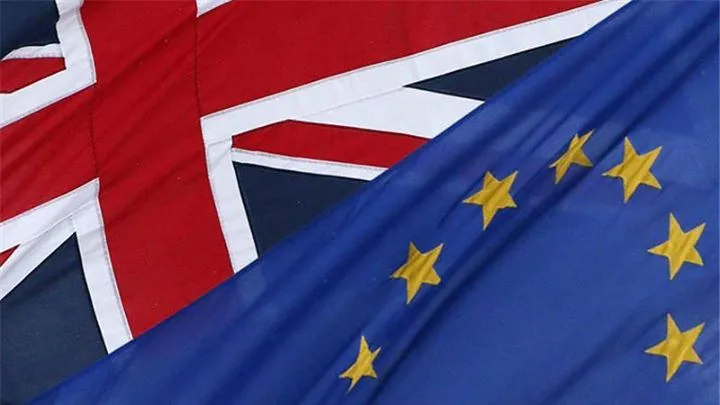
This feature was originally printed in CMW Issue 85, October 2016. It is three [as of October 2016] months now since the UK voted to leave the European Union (Brexit), and while still a contributing member, UK Prime Minister Theresa May is, we Brits hope, working diligently to ensure a smooth transition to a life connected despite the disunity. In the meanwhile, we remain preoccupied by Brexit’s impact on the events industry and the shape of thing to come. The UK’s impact on international business is felt in several areas. International delegates are deemed business tourists, the event organisers contribute to the expansion of trade and investment across national borders, and there are of course cultural, political and even academic incentives for staging business events in this country. A decision of this magnitude rarely lends itself to consensus, partly with so many stakeholders, loss for one is often gain for another. Take for example the UK’s media bemoaning the pound’s fall in value in the immediate aftermath of the referendum, as viewed through the prism of business tourism. When the Euro rises against the pound, the cost of a non-UK EU member’s holiday is reduced. The same applies for business trip expenses and to a lesser extent flight costs. So it follows that overseas organisers will experience favourable rates for the shows they bring to us. These shows in turn bring more business to the cities in which they are held. Good news for inbound tourism and anyone bidding to stage events in the UK. The news is not so good for outbound business tourism, where such currency inflation has precisely the opposite effect. UK event companies looking to arrange overseas conferences unfortunately experience inflated venue hire and management costs, as well as paying more to overseas staff on contract. For people involved in a globalised industry such as ours, it makes little sense to say inflation is a bad thing. So currency exchange speculation aside, what is actually being done to aid UK business tourism in the interim. The calendar year preceding the referendum was a record-breaking one for UK tourism. More than 36 million overseas visitors visited the country in 2015, collectively spending £22.1 billion. In an effort to maintain this momentum, the tourism industry and the Government are working hand-in-hand to generate more investment and jobs across the country. To this end, on 26 August the Government published a Tourism Action Plan to give Britain competitive advantage over other major tourism destinations with new initiatives and measures designed to boost international visitors. These include making travel easier, apprenticeship schemes and reducing red tape, as well as forging a £10.2m partnership between VisitBritain and Expedia to market Britain to key markets including USA, Germany and France. “Tourism is vitally important to the UK and the sector goes from strength to strength,” said May. “The British people’s decision to leave the European Union creates real opportunities for growth and we will work in close partnership with the tourism industry, to ensure it continues to thrive as negotiations on the UK’s exit progress. “We are making it easier for visitors to travel beyond London and experience all of the world-class attractions the UK has to offer, to make sure the benefits of this thriving industry are felt by the many and not the few.” May’s comments were welcomed by chairman of the Events Industry Board (EIB), Nick de Bois. He said that the EIB has already received a significant number of bids under the Event Support Programme, to be considered in September. “As [May’s] announcement recognises, however, we are also making progress on breaking down some of the barriers to ensure the UK can become the destination of choice for international business events,” he explained. “With the continued help of the Government and ministers, the events sector can play a significant role in helping British exports and inward investment.” At the Business Visits and Events Partnership, chairman Michael Hirst said the fact incentive travel, an often overlooked segment of business visits, is being recognised among the awards in the Discover England fund, was gratifying. “Hopefully this will encourage a further resurgence of interest from overseas markets in motivational and award programmes within England, where combined business and leisure activities can be used to incentivise improved company performance.” With improved tourism comes greater business for the hotels and venues where events take place. Alison Makosz, chairman of the trade association of the hotel booking agency, apartment and venue community, the HBAA, says at the moment there is no immediate cause for concern. “We considered whether we would see a panic and surge in cancellations due to the uncertainty, that maybe venues would start dropping rates further to encourage more business and race for space would be at a premium. However, this is not the case and the picture currently in the landscape is looking one of calm,” she said. Hotels and tourism are two industries dependent on non-UK EU citizens and migrant labour, and therefore any decision that restricts their movement and rights to work is bound to have an impact on the UK’s events industry. Brexit may create challenges for the future workforce and potential impact on European employees to the hotel industry. Legislation is likely to at least complicate things for overseas venue and hotel owners, when it comes to providing stability, access and long-term employment for employees from the European Union. Could it be the decision that leads them to down tools and head back to their native countries? In mid-September, the UK’s Office for National Statistics (ONS) released figures showing the number of non-UK nationals from the EU working in the UK rose by 238,000 to 2.23 million from 2015-2016, for the period April-June, the time period posited by the ONS. This figure is up 2.14 million on the previous three months. Non-UK born people working in the UK increased by 367,000 to 5.4m. It remains to be seen whether or not there was a significant impact on labour in the three months that followed the vote. And given the time it takes to put international events together, the extent to which the decision taken by UK voters on 23 June will impact our business is unlikely to be felt for some time yet. What matters most is that those responsible for driving the UK’s events industry make their voices heard. How better can we counter the impact of a schism such as Brexit, than to promote an industry that helps to bring the world together?
Trending
Beyond attendance: How conferences can grow membership, strengthen communities and create lasting impact
1 week ago
IMEX America achieves top neurodivergent inclusive event design endorsement
4 days ago
Nearly 9 in 10 destinations improve as Helsinki leads 2026 GDS-Index
1 week ago
PCMA members approve 2027 Board of Directors and Trustees slate
1 week ago
Cairns doctor launches skin cancer conference, with a day on the Great Barrier Reef
3 days ago
Antwerp welcomes OpenLivingLab Days 2026
1 week ago
Ex-McCann CEO to lead the EC Group
1 week ago
Advertisement
Essential Reads
New EIC study finds business events contribute US$1.8 trillion to global GDP
Analysis
Washington DC bucks trend of US tourism decline with record visitor spending
North America

A look back at November’s IBTM and how event formats are “festivalising”
IBTMWorld

US airports face potential closures amid government shutdown
Business Travel

The countries with the highest business travel spend in the world
Business Travel