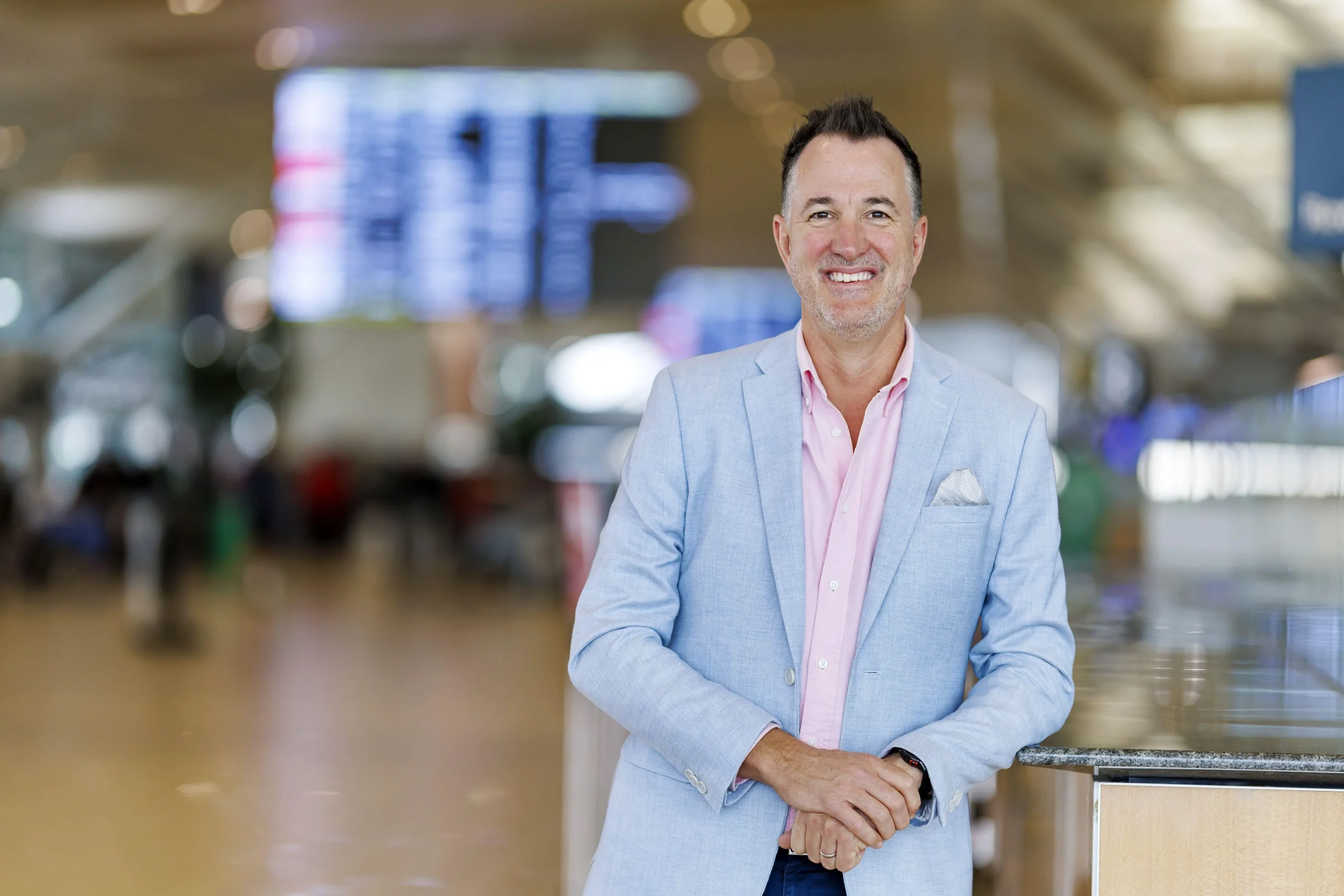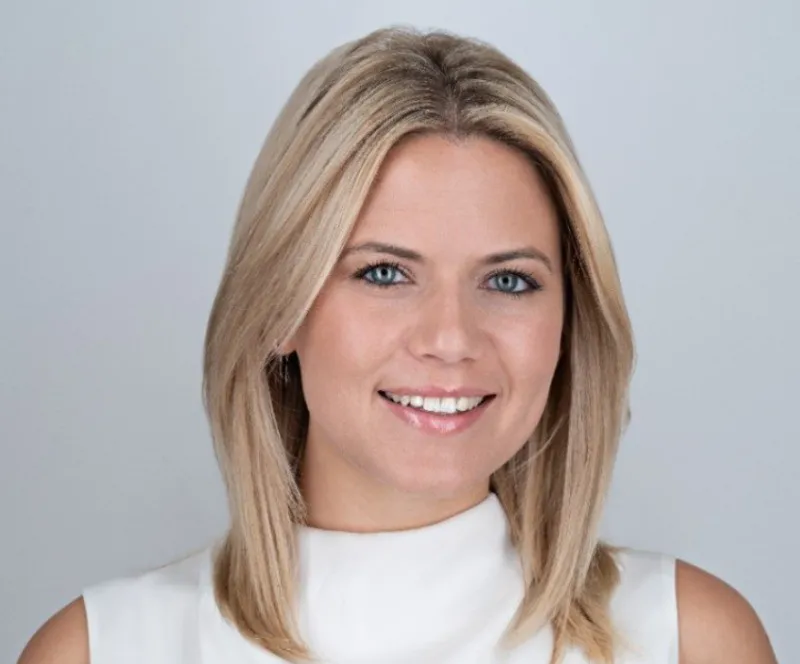
CMW pings some questions Down Under for Melbourne Convention Bureau chief executive Julia Swanson.
Tell us about your early career in hospitality, and how you moved into destination marketing.
I spent 13 years in the hotel sector, initially in operations and then into an area director of sales and marketing role. I loved that sector but was drawn to having a broader scope of promoting the city I love to an international audience.
Business events is an amazing sector to work in; we work with such a variety of venues, professional conference organisers, hotels, event producers and exhibition companies. We are also fortunate to work with global leaders in science, medicine, business and academia, for whom we can help build international collaboration platforms. It is very rewarding seeing business events come to life and deliver real economic and social outcomes for the city.
What was a good early piece of career advice that has stood you in good stead, and who was an early mentor for you in the industry?
An early leader told me not to stress about anything you can’t control, which is easier said than done in a global pandemic. However, it reminds me to stay focused on what you can do and not what you can’t. Mental resilience is more important now than ever for all leaders.
In my career I’ve had the fortunate experience of working under some incredible female leaders: Leanne Harwood at IHG, Sandra Chipchase and Karen Bolinger at MCB. All very different leaders, but ones that have been great to learn from.
Did it seem to you that Melbourne would go on to earn the accolade of Australia’s events capital when you were first working hard to research and win bids for major events for Victoria state and Melbourne?
Melbourne has always been known as Australia’s events capital domestically, so it was a natural evolution that awareness of the city’s credential would build internationally.
Our infrastructure paves the way for highly successful conferences and events, with world-leading conference facilities and venues, excellent connectivity, quality accommodation and an extensive transport system. We have the highest concentration of conference facilities in Australia and offer international associations access to our world-leading research institutes and connections to academics to facilitate strong education programmes, powerful knowledge sharing and fostering of world-leading innovations.
When you add those elements together with our collaborative ‘Team Melbourne’ approach, this powerful combination is a significant drawcard for some of the world’s largest and most prestigious conferences.
You have made a policy of aligning the strategy of MCB more with Visit Victoria. How has this borne fruit?
Our integration into Visit Victoria gives us an edge over our local and international competitors in accessing major events and generating opportunities for incentive groups and pre- and post-conference touring programmes that are new and immersive.
It’s also testament to the city’s holistic approach to events – they are integral to the culture of the city.
What has been the impact of Covid on Melbourne’s international events business and the extent of the hit to its MICE economy?
Like all destinations across the globe there has been a significant impact on international business events. It has been an incredibly challenging time and we’ve remained focused on supporting our clients and the events sector throughout this period. We’re pleased that the majority of our clients have been able to keep their future events in Melbourne.
The Australian government and, in turn, the Victorian government’s response plays in our favour, and already clients are telling us that Australia is being seen as a much lower risk destination, which will be an important factor for the selection of destinations in the future.
Business events can currently be held in various settings across Victoria, from meeting rooms in hotels, museums, restaurants and cafes, to dedicated conference facilities. Our iconic Melbourne Convention and Exhibition Centre (MCEC) is open and able to host events at 75% capacity.
Our governments have the appropriate policies and strict health and safety procedures in place to assist the resumption of operations in the hotel and accommodation sector, venues and events supply chain, safely in accordance with the easing of restrictions.
We anticipate mostly domestic business this year and international business is set to resume in 2022. In the meantime, Melbourne has an innovative supply chain to support the delivery of hybrid events with domestic face-to-face delegates and virtual elements for international delegates.
What tactics have you been able to pursue to help event organisers and supplier stakeholders during this crisis?
We have undertaken significant digital transformation of the delivery of our products and services to help international clients, professional event organisers and incentive planners plan future travel to Melbourne.
We have provided alternative options to ensure clients can keep promoting their meetings, particularly as in-person engagement opportunities are limited, as well as having developed virtual site visits, improved digital bid books, delegate boosting kits, destination training presentations, a hybrid events guide and the Safe Events Melbourne microsite providing updates on our products and offerings to inspire future group travel when the time is right.
The launch of our Delegate Destination Site, which builds on the event planning support already provided by MCB, has been well received by conference organisers, supporting them in promoting their future meetings in Melbourne.
In particular, the site’s VR and experiential content is easily integrated into planners’ existing communication channels with direct booking capability, and virtual booth assets like the avatars are proving to be a real hit as demand for virtual and hybrid meetings increases.
What can you say about the turn to digital and how that has helped Melbourne stay in touch with the MICE community internationally?
Digital solutions have truly come into their own during the pandemic. It was a trend that has been accelerated out of necessity. Online events are not a substitute for in-person connections, but rather an opportunity for business event organisers to ensure their events are maximising reach and growing their audience.
From a destination viewpoint, digital events provide for greater reach globally of the Melbourne brand, building on the captured audience of a live event via content beamed to a broader global audience. This increased awareness is not just a destination’s visitor and tourism brand, but our city’s business and innovation brand.
How do you now see the route towards the industry’s recovery in Australia and Melbourne specifically? What strategies will you pursue to win back business?
Even prior to the pandemic, safety was high on the consideration set for clients when deciding on a host destination. Melbourne’s reputation as a leading business event destination is supported by a list of success factors and safety is among them. This continues to be a number one priority for Victoria and its business events supply chain.
MCB must stay relevant and evolve. Reworking the value chain of what makes business events successful will be key. This means continual innovation and reimagining what events can look like in a Covid-normal environment and leading the way to bring these events to life.
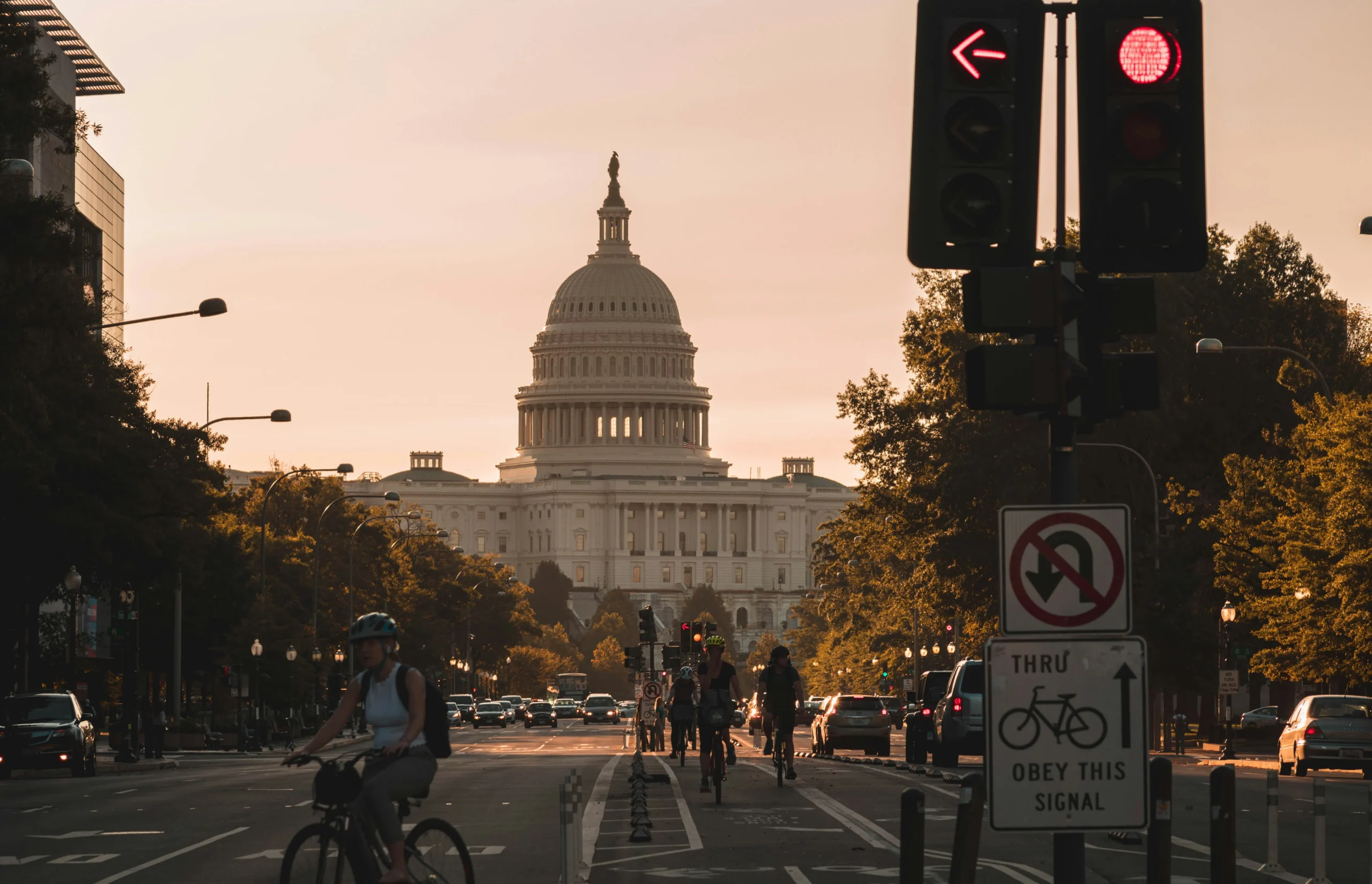
It is going to be a very competitive landscape for destinations. We’re focussed on supporting our clients from our Melbourne office, as well as through our team located in Washington DC, London, Kuala Lumpur and Shanghai.
What are your goals for Melbourne and its future international success?
Melbourne is a knowledge capital and our relationship with local academics, universities and associations is key for being successful in our bids for international conferences. We plan to deepen these relationships to encourage more and effective local partnerships aligning with Victoria’s priority sectors. Achieving meaningful social and economic outcomes from meetings will be more important than ever, and we will create new international collaborations to achieve this.
Melbourne will be ready to welcome visitors safely when international borders reopen.
Lastly, what word of advice would you pass on to someone starting out on a career in business events?
Firstly, congratulations on choosing a great industry! My advice would be to make the most of all opportunities to broaden your knowledge and build your networks.