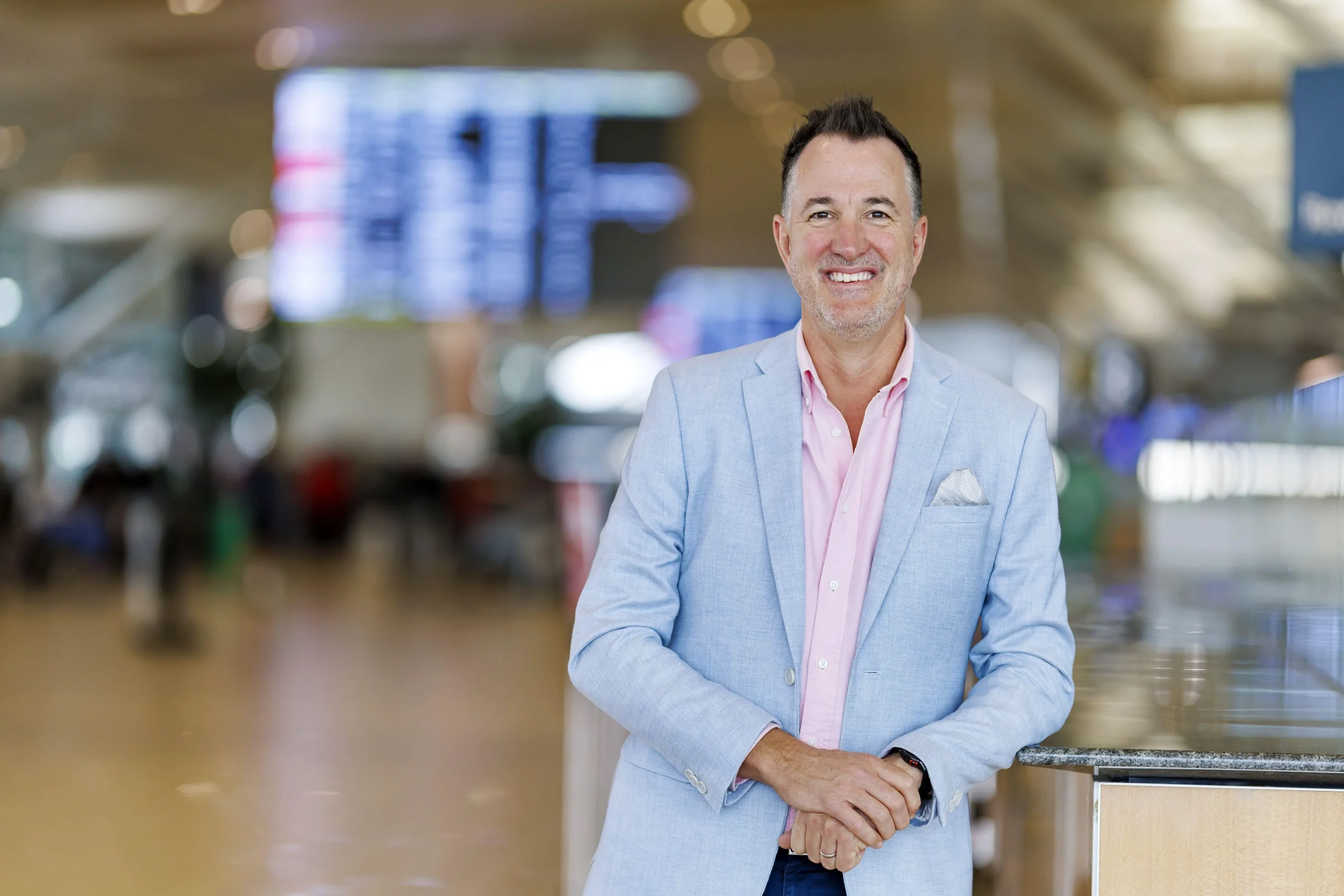
The ‘Golden Triangle’ of Sydney, Melbourne and Brisbane have reported a boost in corporate travel bookings with Melbourne inching towards the most popular corporate destination. According to exclusive data from Australia-based Flight Centre Corporate’s FCM Travel and Corporate Traveller, the volume of flight bookings between the three major airports rose by 12% in the first half of 2024, compared to the first half of 2023. Melbourne took out a greater share of the arrivals, with 38% of corporate travel between the three cities landing into the Victorian capital, compared it 39% into Sydney in the first half of 2024. That’s up from 36% % into Sydney in the first half of 2023. Brisbane maintained a 23% share of the arrivals in the first half of both 2023 and 2024. The top five industries travelling between Australia’s key business hubs in the first half of 2024 were Services, Finance and Insurance, Construction, Arts, Entertainment and Recreation, and Health and Social Services. Flight Centre Corporate COO Melissa Elf (pictured) said the increased travel between the Golden Triangle was critical against the backdrop of continued economic pressures. “More business travellers are taking to the skies between our major cities of Sydney, Melbourne and Brisbane, and we’re seeing Melbourne edge closer to the rate of travel into Sydney.” She said the uplift in corporate flight travel was due in large part to the returning capacity of airlines operating across and out of Australia since all State borders reopened in full. “We’ve also seen new routes being added to the mix, particularly with carriers such as REX Airlines prioritising the connection of regional cities with our major state capitals. “Sydney has of course long been the corporate travel darling, but it is shaping up to be a particularly strong year for travel into Melbourne, which was buoyed by ‘bleisure’ travel.” In just a few months Melbourne saw the Australian Open, Taylor Swift, Melbourne Cup and the Formula One hit the city, so that no doubt had a big effect on the figures. “During periods such as these, you might expect business travellers to be avoiding busy airports and hotels, but we actually saw a huge jump in corporate crowds, who were looking to get among the action while working in business meetings and events to their trips,” Elf said. Brisbane is set to go from strength to strength as it continues to benefit from both public and private investment ahead of the 2032 Olympic Games. As a broader region, Queensland is resource-rich and sees a lot of travel movement from mining, oil, gas and construction workers. “It’s evident across our corporate customer base that travel is non-discretionary, and falling airfares both domestically and internationally will keep demand for business travel strong against the backdrop of economic pressures,” Elf added. BITRE’s Air Passenger Movement Report shows a forecast average annual growth rate of passenger movements in Brisbane Airport by 4.5% over the decade to 2026. It shows a 4% average annual growth rate of passenger movements in both Sydney and Melbourne Airports. Across all three airports, that’s a total of 38 million passengers passing through in 2026 – far more than Australia and New Zealand’s combined population. The Global Business Travel Association has predicted a growth in business travel of 27% in 2023 in Australia.
Corporate travel takes off with lift in Australia’s ‘Golden Triangle’ bookings

Screenshot
Comments
Comments are closed on this post.
Trending
SITE to bring research and 20 years of Young Leaders to IMEX America 2026
1 week ago
Beyond attendance: How conferences can grow membership, strengthen communities and create lasting impact
1 week ago
Australian airfares remain below inflation despite soaring costs, according to Flight Centre index
1 week ago
PCMA members approve 2027 Board of Directors and Trustees slate
1 week ago
Nearly 9 in 10 destinations improve as Helsinki leads 2026 GDS-Index
1 week ago
IMEX America achieves top neurodivergent inclusive event design endorsement
2 days ago
Beurs van Berlage becomes a B Corp and achieves Green Globe Gold status
1 week ago
Advertisement
Essential Reads
New EIC study finds business events contribute US$1.8 trillion to global GDP
Analysis
Washington DC bucks trend of US tourism decline with record visitor spending
North America

A look back at November’s IBTM and how event formats are “festivalising”
IBTMWorld

US airports face potential closures amid government shutdown
Business Travel

The countries with the highest business travel spend in the world
Business Travel
More like this