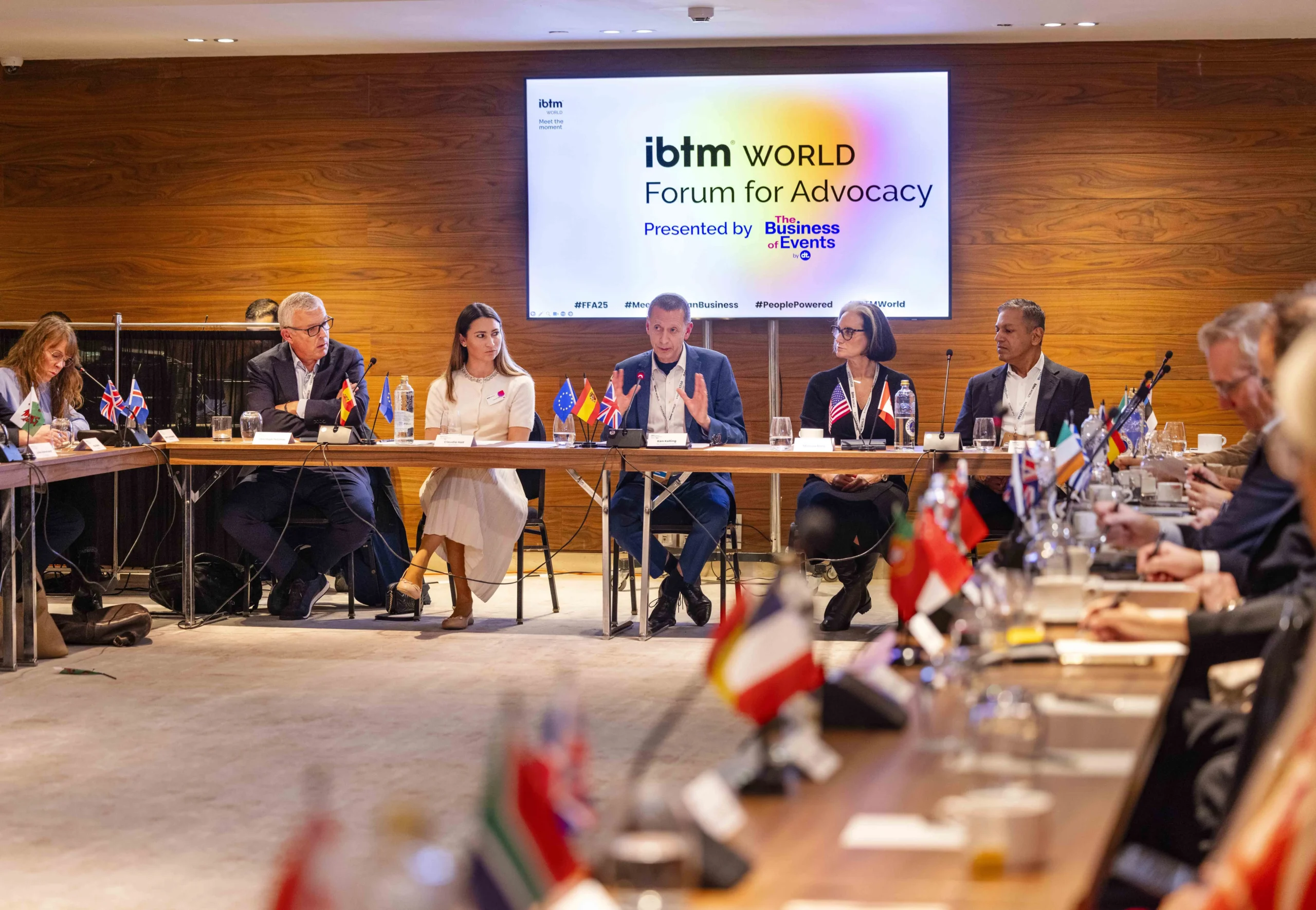
REUTERS: Insurers are normally great with numbers, but the Covid-19 pandemic has them struggling to estimate how many billions of dollars in losses they face, and what the fallout will be for their massive investment portfolios. Executives, lawyers and analysts say the cost is sure to be multiples of prior catastrophes like Hurricane Katrina, the Tōhoku tsunami or the 9/11 attacks. That could be tens of billions to half a trillion dollars or more, depending on how long the pandemic lasts and other variables. “This has the potential to be the largest insurance loss of all time,” Alan Lyons, a partner and chair of the insurance practice at Herrick Feinstein in New York, said in an interview. Unlike other disasters, the pandemic has been hitting businesses, individuals and markets throughout the world, all at once. Customers are filing claims across numerous policy types, from workers compensation to events cancellation to broader commercial liabilities. Many claims for business interruption likely will not be paid this year since lawsuits will take a year or more to resolve, Lyons said, and cost insurers millions of dollars to defend. Insured losses in the US and UK alone could be anywhere from £8.8bn (US$11bn) to £112bn ($140bn), insurance broker Willis Towers Watson said on 1 May. Its estimates include varying durations of social distancing measures, several projections for how many people die, and what those assumptions mean for different insurance lines. Some experts warn of even more costly outcomes. Losses could exceed £400bn ($500bn) if state lawmakers require insurers to cover business-interruption claims for pandemic losses, former CNA Financial Corp Chief Executive Dennis Chookaszian told Reuters. Most policies exclude that risk, but insurers are facing lawsuits over it and eight US states are considering laws to retroactively make insurers pay such claims. “If they pass this law in New York and eventually other states, every business with the coverage will file a claim and it will force those insurers into bankruptcy,” Chookaszian said. The UK’s Financial Conduct Authority, which regulates insurers, said on Friday it will seek clarity in court on whether business-interruption policies cover pandemics. Market exposure Meanwhile, insurers are facing a second blow from the trillions of dollars they have invested in global markets. Although stocks have partly recovered from their plunge in late February, low interest rates are biting into bond income, with credit and liquidity issues across more obscure parts of the market. Insurers that have reported first-quarter results – including Chubb Ltd, Travelers Companies Inc, Hartford Financial Services Group Inc, Markel Corp. and Swiss Re AG – have drawn a mixed picture of the damage so far but predicted things will get worse. Swiss Re and Markel faced big hits from the cancellation of major global events like the Olympics and Wimbledon. Executives expect the pandemic to remain an earnings issue, rather than a question of viability, but warned that problems are sure to crop up in businesses that have not yet experienced elevated claims or lawsuits. For instance, some experts have suggested the coronavirus could create workers compensation claims similar to the decades-long battle over asbestos. New revenue has also become more difficult to generate. The Hartford expects a 15% decrease in new business premiums during the second quarter. “We are in the middle of a slow-moving storm,” said Swiss Re chief financial officer John Dacey. Reporting by Alwyn Scott in New York and Suzanne Barlyn in Washington Crossing, Pennsylvania; Additional reporting by Noor Zainab Hussain in Bengaluru, Carolyn Cohn in London, Tom Sims in Frankfurt, and Herb Lash in New York; Editing by Lauren Tara LaCapra, Nick Zieminski and Jonathan Oatis FILE PHOTO: A masked woman walks by a closed theatre as Ohio implements phase one of reopening dentists, veterinarians and elective surgeries, following the outbreak of the coronavirus disease (COVID-19), in Columbus, Ohio, U.S., May 01, 2020. REUTERS/Megan Jelinger/File Photo
Covid-19 - the largest insurance loss of all time?
Comments
Comments are closed on this post.
Trending
Beyond attendance: How conferences can grow membership, strengthen communities and create lasting impact
1 week ago
IMEX America achieves top neurodivergent inclusive event design endorsement
4 days ago
Nearly 9 in 10 destinations improve as Helsinki leads 2026 GDS-Index
1 week ago
PCMA members approve 2027 Board of Directors and Trustees slate
1 week ago
Cairns doctor launches skin cancer conference, with a day on the Great Barrier Reef
3 days ago
Antwerp welcomes OpenLivingLab Days 2026
1 week ago
Ex-McCann CEO to lead the EC Group
1 week ago
Advertisement
Essential Reads

New EIC study finds business events contribute US$1.8 trillion to global GDP
Analysis
Washington DC bucks trend of US tourism decline with record visitor spending
North America

A look back at November’s IBTM and how event formats are “festivalising”
IBTMWorld

US airports face potential closures amid government shutdown
Business Travel

The countries with the highest business travel spend in the world
Business Travel
More like this