


Paul Cook wonders whether we are making some dangerous assumptions about the return of business events: Covid–19 put the brakes on the events industry in a way that has never seen before. Businesses were effectively forced to close, airlines grounded flights and governments closed borders. With the easing, or in some cases lifting of lockdowns around the globe, marketing efforts have been accelerated by destinations, venues and other event suppliers. Let’s hope they are not making any rash promises as to how well the business will do once they open again. It would be dangerous to assume that people will behave in just the same way as they did before the pandemic hit. A lot has changed. While event planners want to open their events, we must ask whether delegates will turn up? When it comes to destinations, there is mixed messaging. Some say come, some say stay away and some are just silent. There are many unknowns. There is a lot of work going on to reassure people that travel, hotels and attending events will be safe. Things will be different, but people will get used to the changes. What is needed now is for suppliers to work together to minimise the impact of Covid so that delegates enjoy a seamless experience that has health and welfare embedded throughout. There will be some people that are super keen to get on a flight and go to a live event. Other people may be less enthusiastic. It’s a challenging time for HR managers and the C-Suite as they always have to consider their duty of care to employees and members. This is a time for providers to talk honestly and openly to their clients, to their members and their stakeholders. Rebecca Jones, Chair of the Professional Speaking Association, puts it like this: “I can never put any of our members, partners or other event providers in a situation which can compromise their health, which is why extreme diligence is needed before we can contemplate holding our next event”. She has been discussing with Warwick Conferences in the UK just how they can make sure that, together, they can deliver a conference that keeps Rebecca’s association members free from harm. Both parties have been working through the delegate journey in forensic detail to ensure that every aspect is considered. This is a good example of how planners need to work with suppliers to safeguard delegates and demonstrate that there are well thought out procedures in place for the security of everybody involved. Once that is done, the C-Suite are likely to have confidence that their staff can attend live events. Paul Cook is an events industry writer, speaker and Founder of Planet Planit Ltd @planetplanitbiz
Trending
NZ$1m government funding boost for business events sector
1 week ago
Hellenic Growth Fund and ICCA sign MoU to advance Greece’s meetings industry
1 week ago
Heading west: DEFSEC brings Canada’s defence industry to Calgary
1 week ago
ICRA 2026 breaks robotics records in Vienna
1 week ago
The MICE Effect: Sydney, Darling Harbour and Sibos 2018
1 week ago
New Zealand Tourism Policy Statement reinforces government backing to business events
1 week ago
US hotel occupancy, ADR and RevPAR see World Cup dividend, but Chicago more bearish
1 week ago
Advertisement

Essential Reads
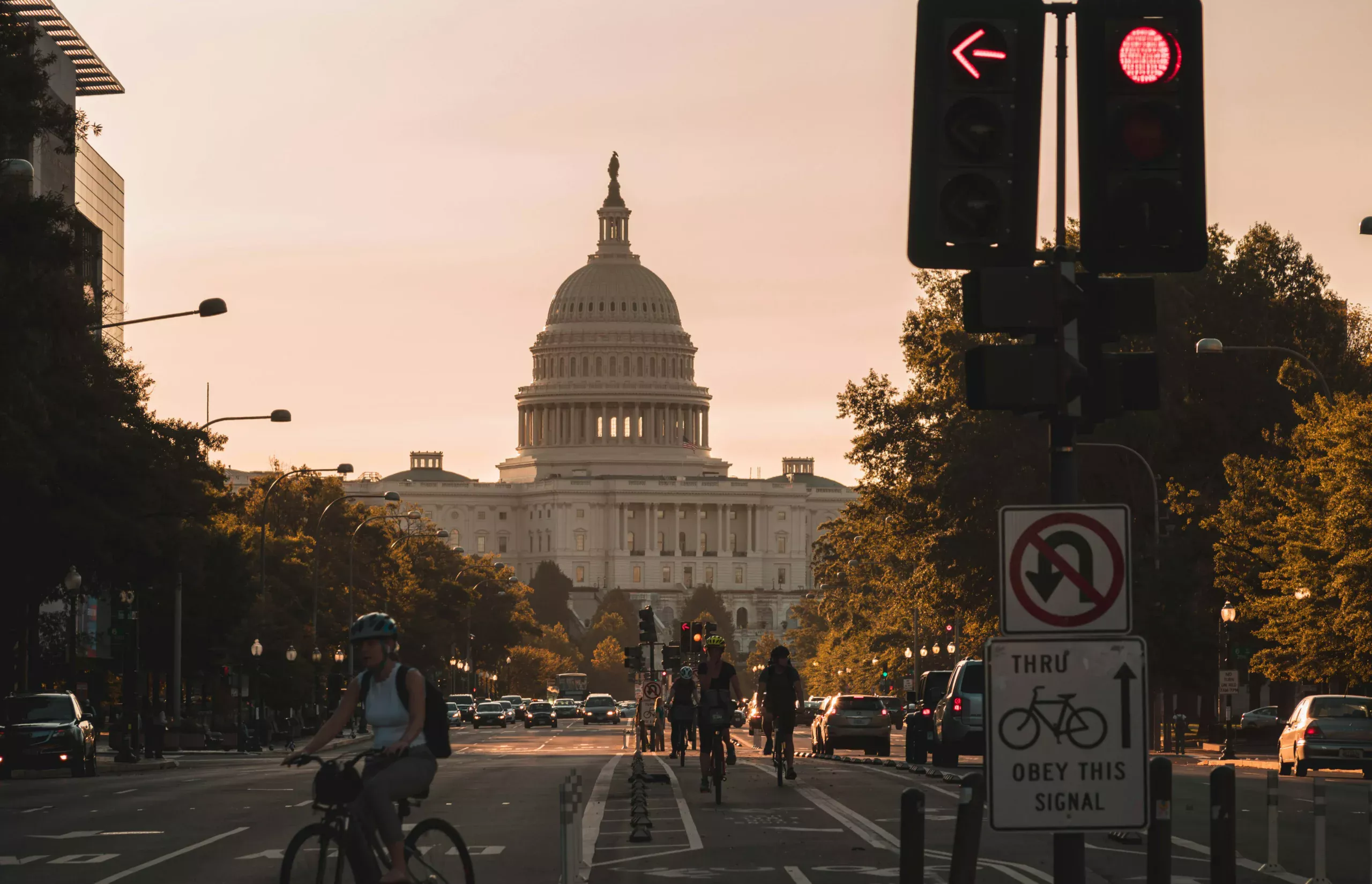
Washington DC bucks trend of US tourism decline with record visitor spending
North America

A look back at November’s IBTM and how event formats are “festivalising”
IBTMWorld
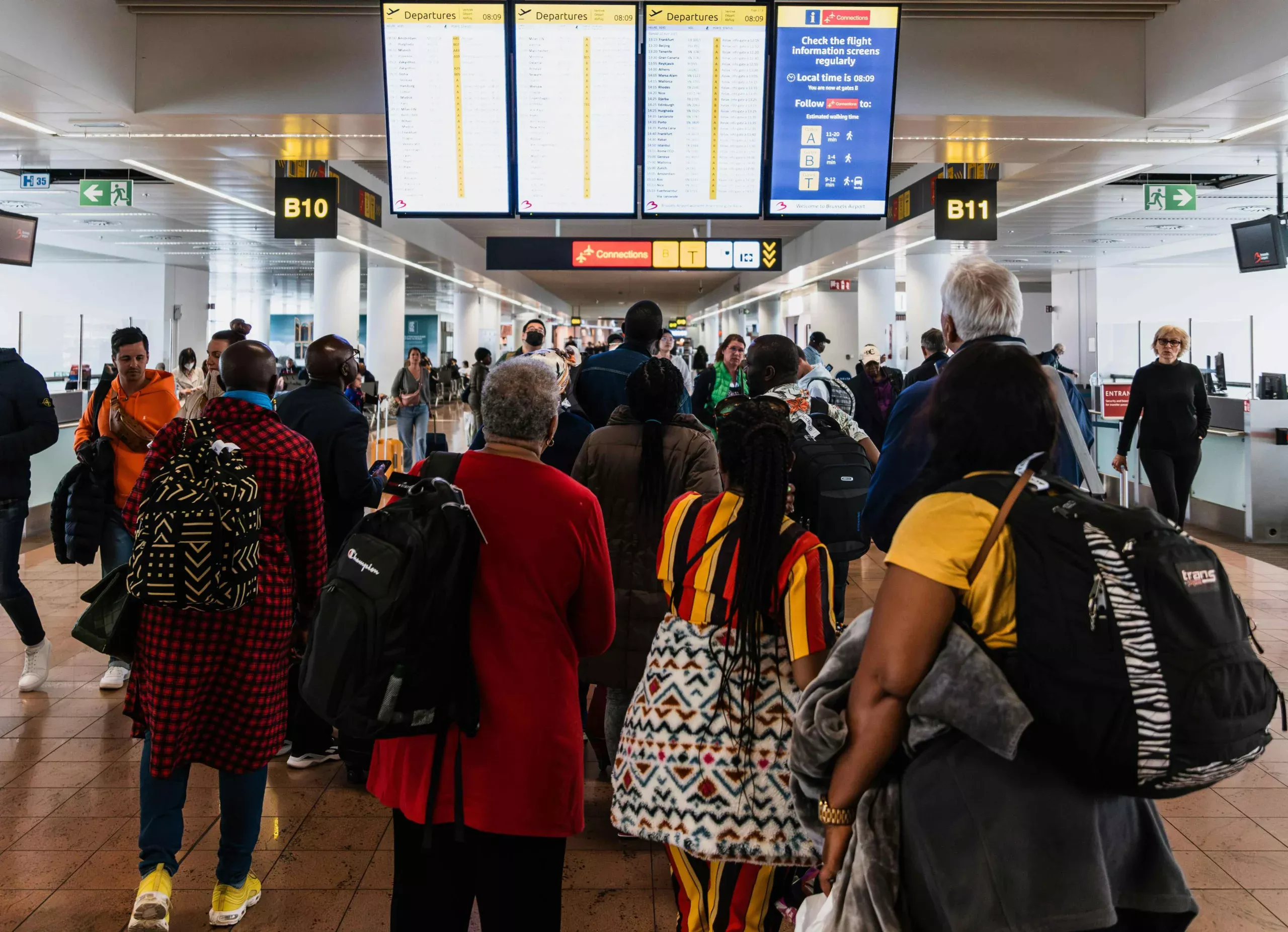
US airports face potential closures amid government shutdown
Business Travel

The countries with the highest business travel spend in the world
Business Travel
Barcelona set to hike tourist tax from April
Europe


