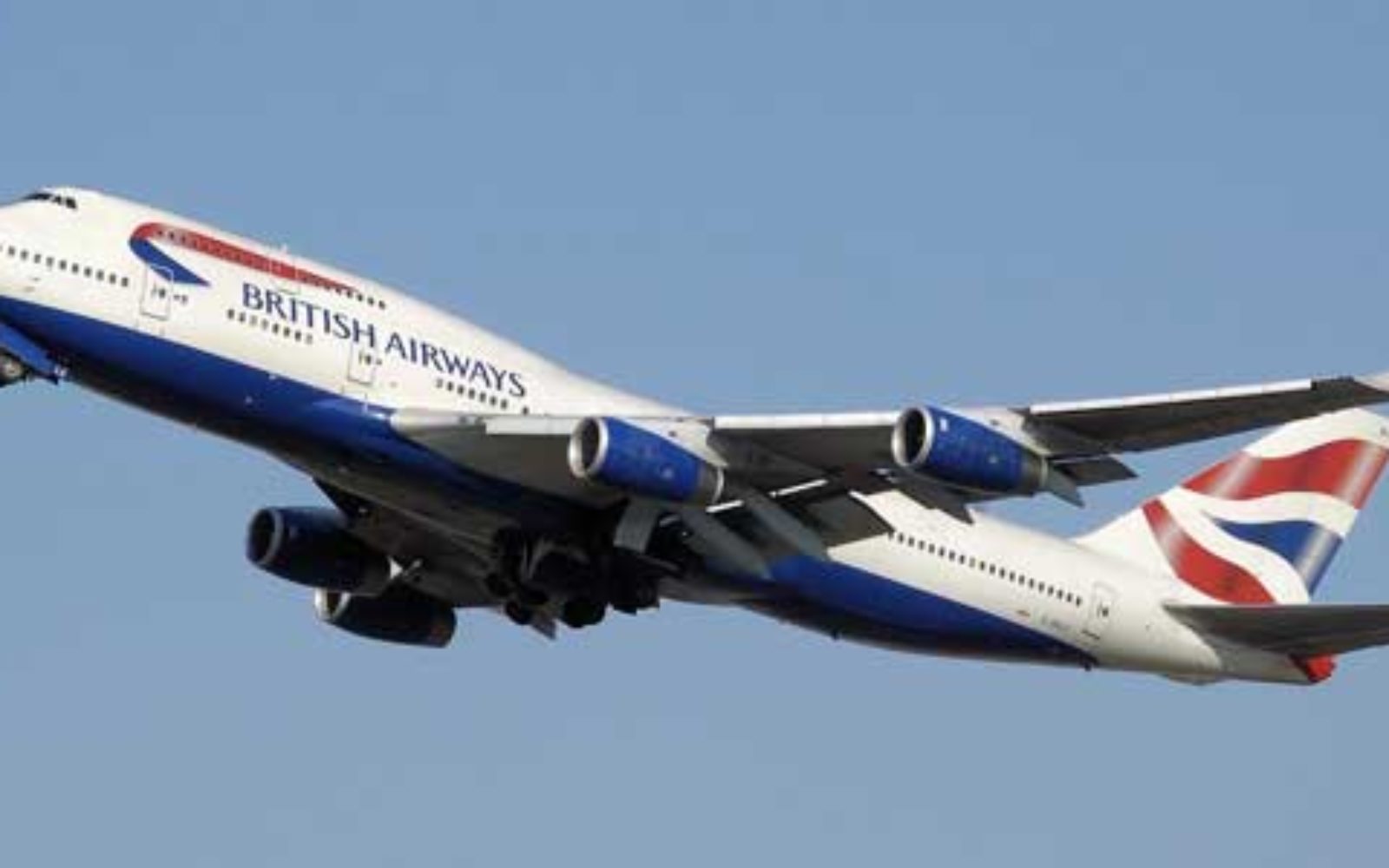
Business and leisure passengers on UK-bound flights from the Middle East and North Africa are to be banned from carrying laptops, tablets and other electronic devices on board following security advice about a new terrorist threat. The move by the UK government follows a similar move by the US, where its intelligence claims terrorists are looking for innovative ways to carry out attacks through the use of explosives concealed in items like laptops. Passengers will be required to check their electronic devices into the plane’s hold. The ban applies on flights to the UK from airports in Turkey, Lebanon, Jordan, Egypt, Tunisia and Saudi Arabia, with affected airlines being British Airways, Easyjet, Monarch, Thomson Airways, Jet2, and Turkish Airlines. Electronic devices such as laptops, tablets, and handheld games console that measure larger than 16cm long, 9.3cm wide and 1.5cms deep must now be checked in. A spokesman for prime minister Theresa May said: “Safety of the travelling public is our highest priority. That is why we keep aviation security under constant review and put in place measures that are necessary, effective and proportionate. Over the last few weeks, the PM has chaired a number of meetings on aviation security, most recently this morning, where it was agreed new measures will be introduced. Transport secretary Chris Grayling told the press that “The additional security measures may cause some disruption for passengers and flights, and we understand the frustration that will cause, but our top priority will always be to maintain the safety of British nationals.” Passengers who usually travel with electronic devices are advised to contact their insurance companies before travelling as some insurers warned that laptops and tablets are not typically covered by policies for loss, damage or theft if they are placed in the hold. The move will affect in-bound passengers from those countries on flights operated by British Airways, Easyjet, Jet 2, Monarch, Thomas Cook and Thomson. It will also affect those flying with foreign carriers including Turkish Airlines, Pegasus Airways, Atlas-Global, Egyptair, Tunisair, Royal Jordanian, Saudi and Middle East airlines. Anyone who flies on an aircraft which starts its journey outside the six countries but which stops in one of those countries en route to Britain will have to stow their devices in the hold from the start of the first leg of their flight. The ban only applies to direct flights to Britain, not from, leaving a potential loophole for people flying via other European airports. It is believed that other European nations are likely to implement the same ban. Airports affected by the US travel ban include: Cairo, Egypt; Istanbul, Turkey; Kuwait City, Kuwait; Doha, Qatar; Casablanca, Morocco; Amman, Jordan; Riyadh and Jeddah, Saudi Arabia; and Dubai and Abu Dhabi in United Arab Emirates.
Electronic devices banned on some UK-bound flights: are you affected?
Comments
Comments are closed on this post.
Trending
Beyond attendance: How conferences can grow membership, strengthen communities and create lasting impact
1 week ago
IMEX America achieves top neurodivergent inclusive event design endorsement
4 days ago
Nearly 9 in 10 destinations improve as Helsinki leads 2026 GDS-Index
1 week ago
PCMA members approve 2027 Board of Directors and Trustees slate
1 week ago
Cairns doctor launches skin cancer conference, with a day on the Great Barrier Reef
3 days ago
Antwerp welcomes OpenLivingLab Days 2026
1 week ago
Ex-McCann CEO to lead the EC Group
1 week ago
Advertisement
Essential Reads

New EIC study finds business events contribute US$1.8 trillion to global GDP
Analysis
Washington DC bucks trend of US tourism decline with record visitor spending
North America

A look back at November’s IBTM and how event formats are “festivalising”
IBTMWorld

US airports face potential closures amid government shutdown
Business Travel

The countries with the highest business travel spend in the world
Business Travel
More like this