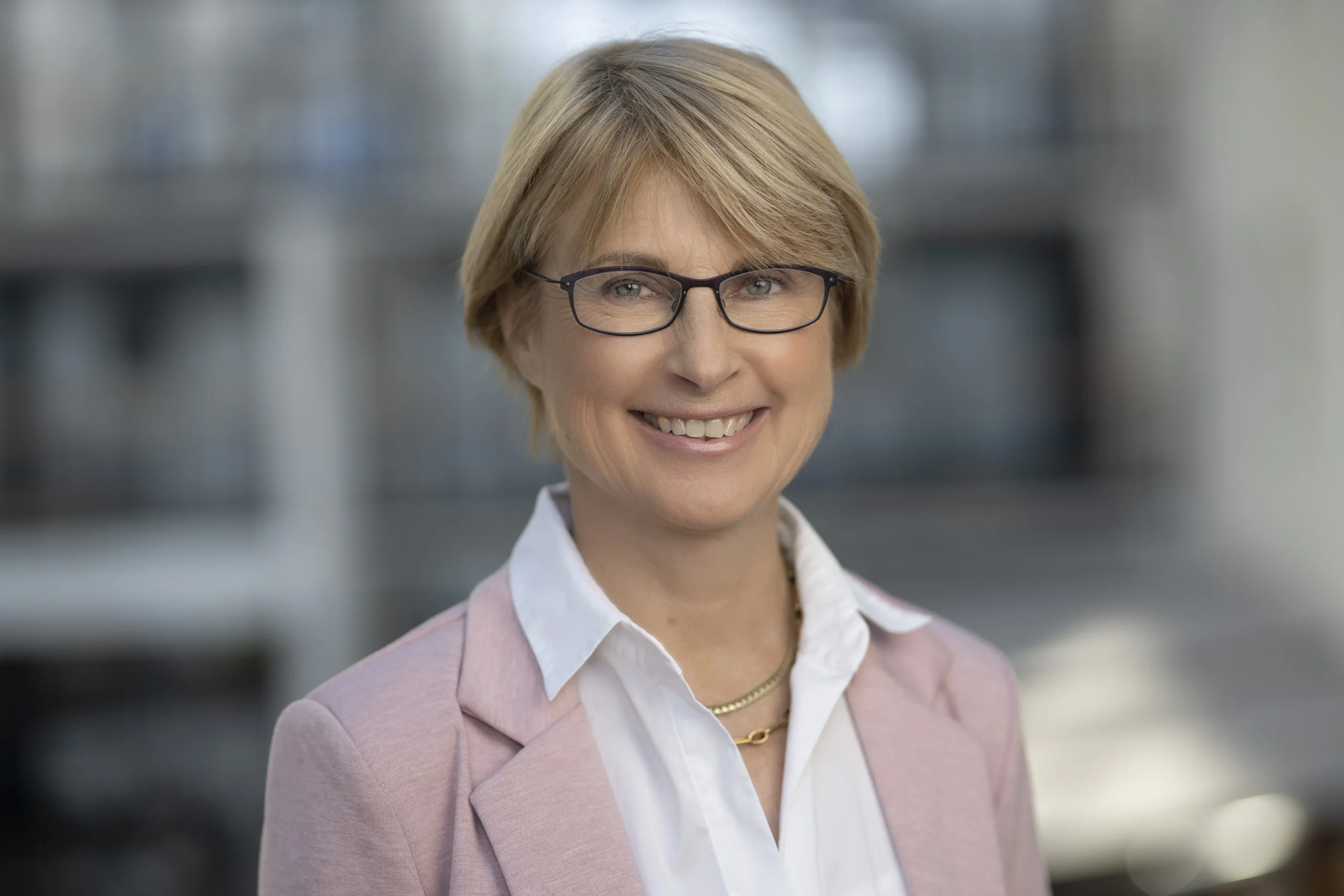
Richard John suggests we need more event professionals represented on TV:
An average night of TV drama-watching in Europe will see a plethora of programmes covering medical professionals (from paramedics to consultants), police officers at all levels; and every possible role in the legal profession. Banking and finance careers are well-served, of course, and our ‘soaps’ are full of people in retail, services and building roles. Even my brother in law – a village priest – can find films and series promoting the Calling. But when did you last see a meetings and events professional on the big or small screen?
I’ve been wracking my brains, and it’s still the shortest of short lists. In ‘Sex and the City,’ Samantha (Kim Cattrall) worked in PR and was always attending the product launches she’d organised. The BBC’s recent ‘Motherland’ featured Julia (Anna Maxwell-Martin) who worked firstly for an events agency and then as a freelance planner (although her mismanagement of every aspect of her life suggested this was a poor career move.) And there’s a heavy veil that needs to be drawn over Mary (Jennifer Lopez) in ‘The Wedding Planner.’
Numerous dramas based in the world of TV will give kudos to many of the AV technicians making the magic happen; but they are rarely the stars. (John Travolta’s sound recordist in ‘Blow Out’ is a rare exception.) Other sectors of marketing fair little better. In terms of more mainstream media activities, it’s invariably a street-pounding investigative journalist, a stereotypical advertising executive, replete with lurid waistcoat, big yellow glasses and pony tail; or some clearly nefarious lobbyist planning the darkest of arts.
In fairness, we have had excellent films about the creation of ‘Live Aid’, and jaw-dropping documentaries around disasters such as the ‘Fyre Festival.’ And there have been numerous movies where a dramatic climax has taken place on stage at a theatre (think Chevy Chase in ‘Foul Play’ or ‘The 39 Steps’ – the Robert Donat version). And many a conference platform has been the location where a dastardly villain reveals their plans for world domination (from ‘Austin Powers’ to the recent ‘The Capture’ and a hundred others in between).
Global congresses are often the backdrop for clandestine meetings of intelligence operatives in movies, although the hard-working event organisers rarely get a plug. There’s little for a viewer to point to in those programmes and say, ‘That’s what I aspire to be.’
Now there’s a world of difference between fact and fiction. A friend from the intelligence world freely admits that Gary Oldman and ‘Slow Horses’ had done wonders for MI5 recruitment in the UK, even though applicants can (usually) tell reality from fantasy. Of course, I’m not going to miss the chance to plug my new novel, ‘The Tag,’ where our hero is one of the unsung heroes of the international conference world. Could he have been an accountant for the plot to work? Absolutely not; our world – in all its glamour – was a vital element.
“We’ve historically had the challenge of defining our industry,” says Rick Stainton founder of the showcase platform for the UK events industry,’ The Power of Events.’ “The Power of Events, particularly through the Schools Engagement Programme, has been striving to bridge the gap for young people between the link from the events they have seen on TV or attended, to the actual events industry ecosystem – its breadth, the huge variety of roles and multiple routes into a career. They’ve invariably been to major sports and public events, concerts and festivals, weddings and even consumer exhibitions like ComicCon,” he adds, “Business meetings and international conferences are in their future, but a key element of the approach is to explain the massive and diverse range of jobs our industry offers in designing and delivering these live experiences.”
Rick Stainton and others, such as Tommy Goodwin and the coalition at the Exhibitions and Conferences Alliance advocacy in the US, rightly point out that ours is a mostly invisible, results-driven industry. And, unlike drama which relies on things going wrong in a spectacular fashion, our events are successful precisely because of their seamless delivery, and the commitment of teams of professionals to keeping people safe. (Indeed, our leading convention centres are designed specifically to keep industry and political leaders – and ordinary delegates too – in a safe and secure environment).
There are numerous event association heads who talk eloquently and passionately about different facets of our industry; but their wise words rarely reach the masses. So, what are the steps we need to take?
A drama with an exploding conference centre at its heart certainly won’t help our industry, although some good at last appears to be emerging from the terror attack at Manchester Arena in 2017 with the introduction of Martin’s Law – pending UK legislation that aims to improve public safety by requiring certain venues and events to take steps to reduce the risk of harm from terrorist attacks, with measures varying based on the capacity and activity of the location. But I wonder why should it be only lawyers or newspaper barons having all that scandalous fun on TV or in film; has anyone been to an international convention recently?
I’ve enjoyed many evenings sharing shocking and hilarious stories from our careers with other event professionals, and invariably someone will comment that it would ‘make a great book.’ Are we missing a trick? Meetings and events professionals are highly skilled at executing the most complex plans, and solving major issues and challenges without a second thought, often in exotic locations. Hmmm: organiser by day, MI6 agent by night: TV commissioners – are you reading this?
Richard John is C. O. O. of Realise, a regular Mash Media contributor and an author in his spare time. Check out his new novel ‘The Tag’ in e-book (https://shorturl.at/K0trz) or paperback. (https://shorturl.at/j0Nda).